

Century Oak Server
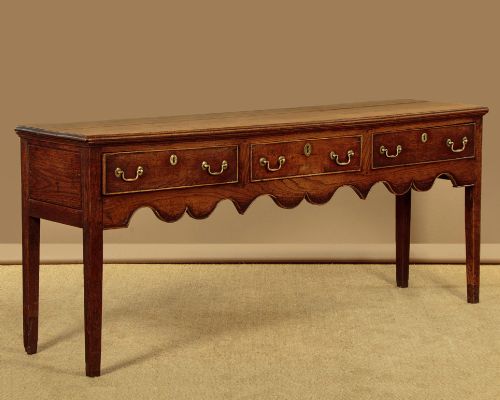
A century oak server brings enduring utility and timber grain into a room, offering the robust construction that defines these practical serving tables.
Century Oak Server
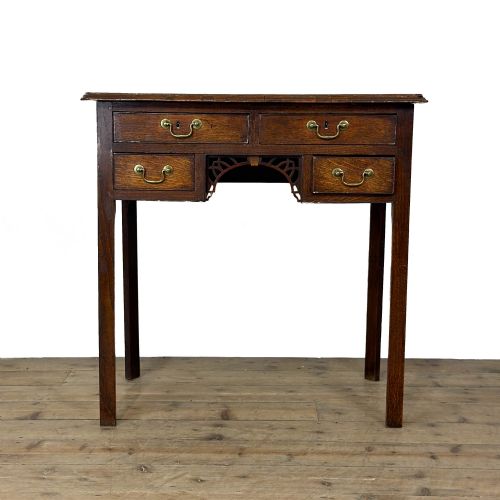
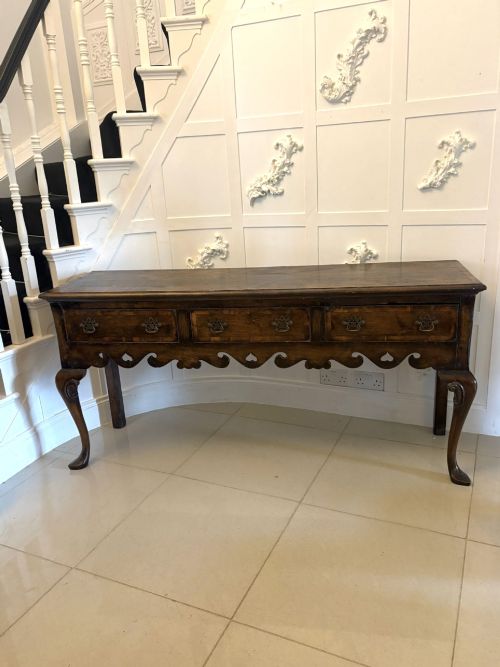
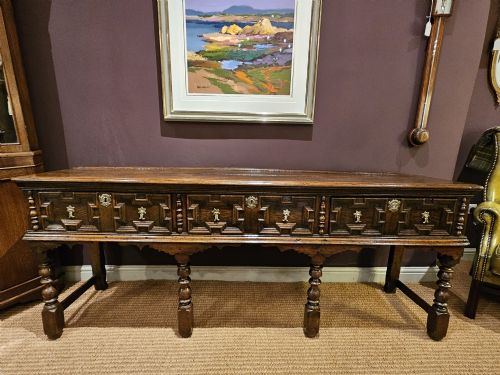
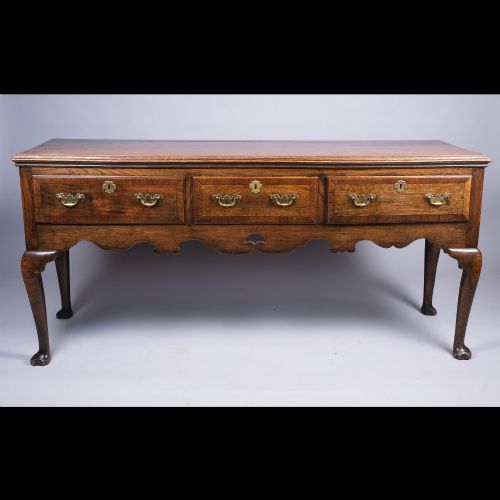
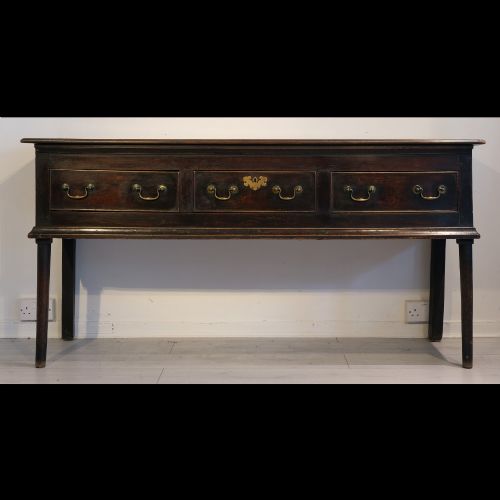
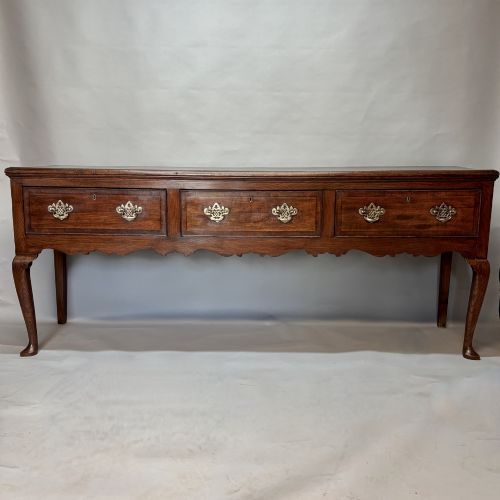
When searching for a century oak server, buyers encounter forms that span centuries of dining room furniture, primarily dresser bases, sideboards, and lowboys. These pieces originated to serve food, store linen, and display plate in country houses and provincial homes.
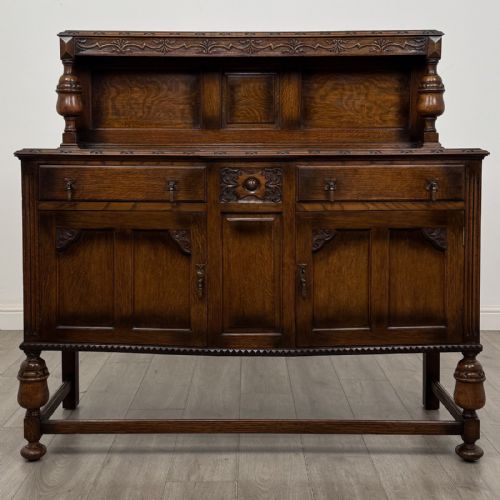
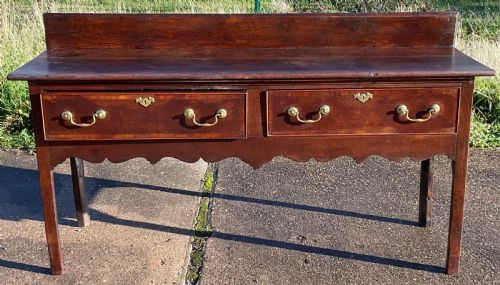
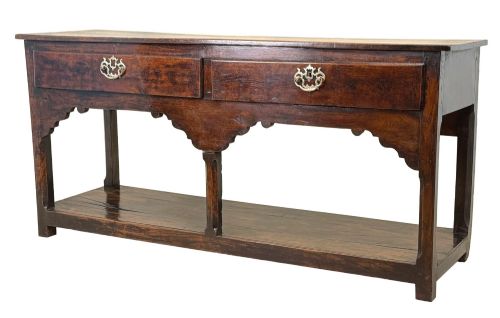
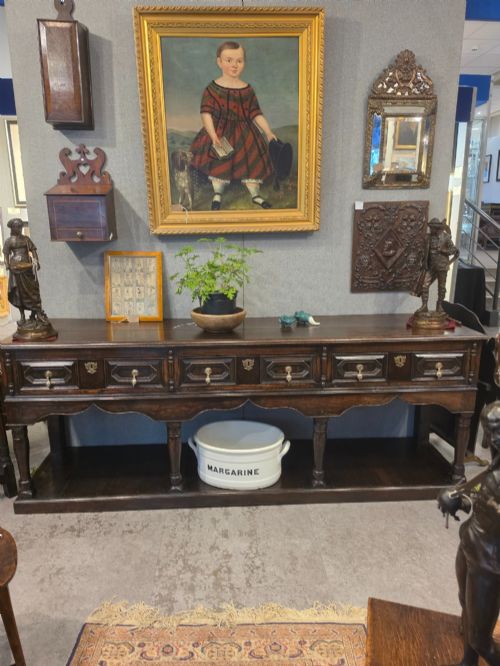
The versions met most frequently on this page date from the 17th century through the Georgian era and into the Victorian and Edwardian periods. Examples include low dressers, pot board dressers, and mirror-back sideboards executed in solid oak and pollard oak.
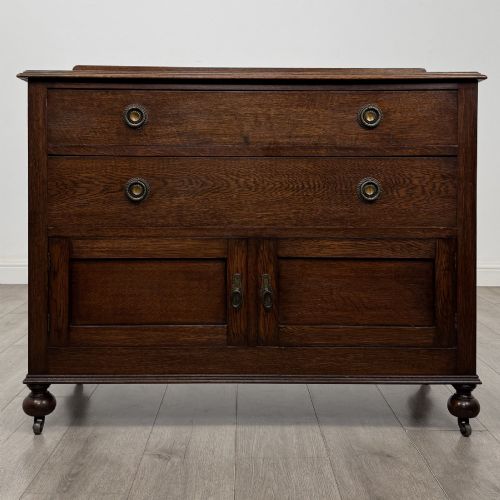
Regional variations appear across English and Welsh counties, alongside continental pieces such as French buffets and console tables. Each form reflects the domestic requirements of its period, from the open pot boards of early country houses to the panelled doors of later sideboards.
Materials and construction techniques
Construction relies heavily on solid oak timber, often complemented by pollard oak veneers, ebonised wood, and walnut details. Brass handles, drop pulls, and keyhole escutcheons provide functional metalwork across the pieces.
Joinery methods include pegged mortise and tenon frames, hand-dovetailed drawer construction, and fielded panel doors. Surfaces often display a dry timber finish or polished grain that highlights the natural figuring of the wood.
Century Oak Server Retail Price Guide 2026
Typical asking prices for century oak server among the pieces listed under this phrase on Sellingantiques today, from the lower quarter to the upper quarter. They describe what is for sale here now, not the wider market.
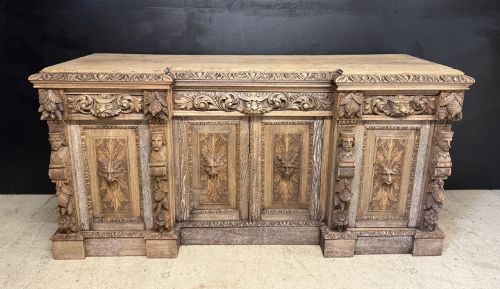
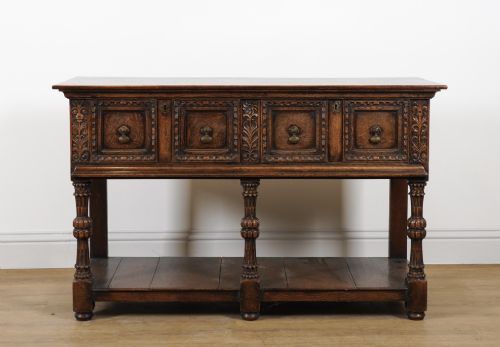
Carved green man decorations peer out from late nineteenth-century Arts and Crafts panels.
Distinctions in craftsmanship and preservation
Quality separates pieces by the integrity of their timber and the preservation of original surfaces. Pieces retaining their early brasses, untouched dry polish, and undisturbed drawer linings stand apart from heavily restored examples.
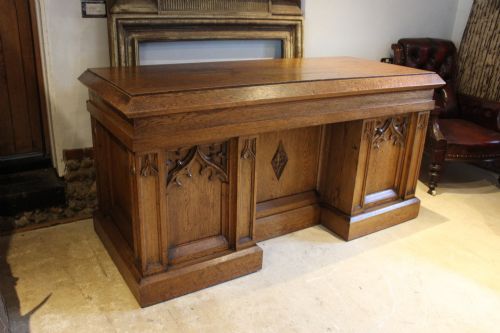
Carved details, such as green man motifs, cherubs, or Gothic tracery, show varying degrees of depth and crispness in the hand-chiselled work. The weight of the timber and the tightness of the joinery determine the lasting stability of the frame.
The Century Oak Server Glossary
- Dresser base
- A low wooden table with drawers, originally used in the kitchen or dining room for food preparation and serving. These pieces often feature pot boards or open shelves beneath the main surface.
- Lowboy
- A small table with one or more tiers of drawers, standing on four legs, commonly used as a side table or dressing table. They frequently date from the 18th century and exhibit cabriole or square legs.
- Pot board
- An open lower shelf fitted between the legs of a dresser base or table, designed for storing pots and pans. This structural feature provides rigidity to the base while offering visible display space.
- Fielded panel
- A wooden panel with bevelled edges that fit into a surrounding groove in a door frame, allowing the wood to expand and contract safely. This technique adds depth and shadow to cabinet doors.
- Pollard oak
- Timber taken from trees that have been pollarded, producing wood with a dense, highly figured burl pattern. Cabinet makers used this decorative grain for veneers on prominent drawer fronts and doors.
Century Oak Server: Frequently Asked Questions
What is a century oak server used for?
These servers provide surface space for serving food and drinks in dining rooms, kitchens, or hallways. Their drawers and cupboards offer practical storage for tableware, linens, and household items.
Historically, they functioned as the central work station and storage unit for the dining room. Today, they serve as functional sideboards or lamp tables that anchor a room's decor.
How do I care for an oak server?
Maintain the wood by dusting with a dry, soft cloth and occasionally applying a traditional beeswax to nourish the dry surface. Avoid placing the piece in direct sunlight or near heat sources to prevent timber splitting.
Keep liquids away from the top surface by using coasters, and address spills immediately. Proper humidity control in the room preserves the stability of the antique joinery.
What distinguishes Georgian oak furniture?
Georgian oak furniture displays refined proportions, cleaner architectural lines, and often incorporates cabriole legs or bracket feet. The period introduced more sophisticated drawer construction using fine hand-cut dovetails.
Design influences from Gothic revivals or regional English workshops appear across different pieces. The hardware, such as brass drop handles and escutcheons, typically matches the refined taste of the 18th century.