

Century Oak Drawers
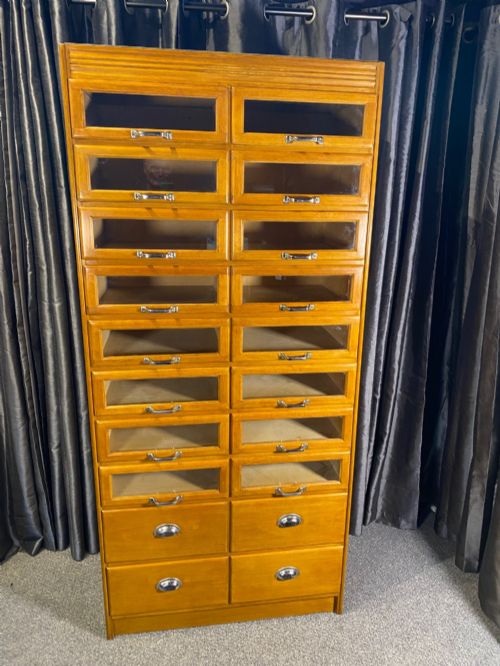
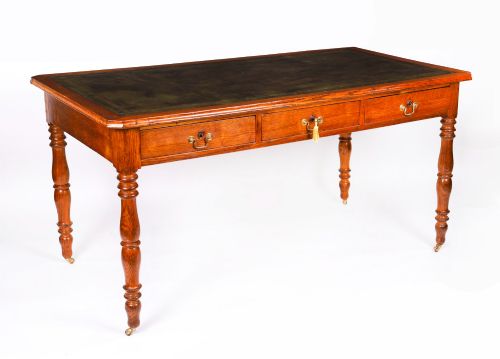
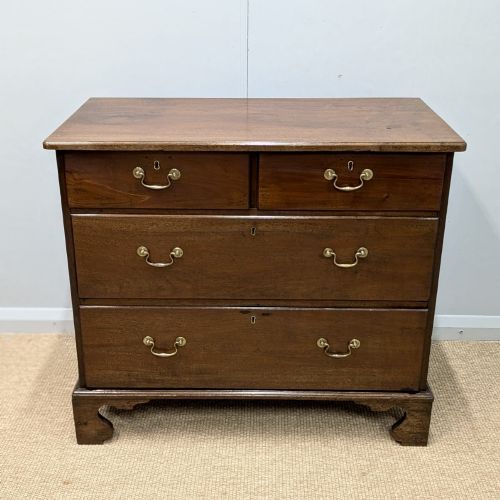
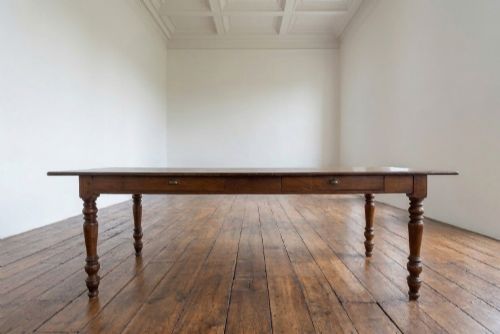
Century oak drawers bring together dense timber and honest storage, offering substantial weight and decades of character for the home.
Century Oak Drawers
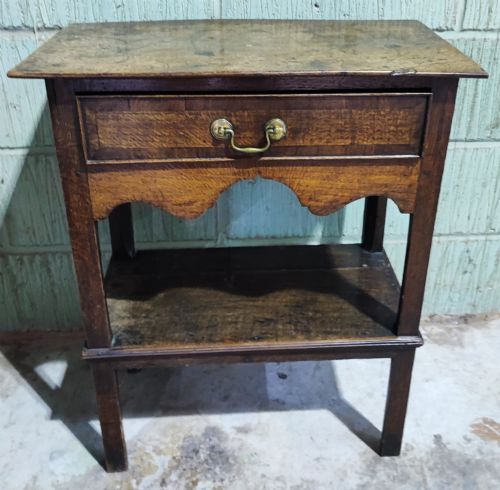
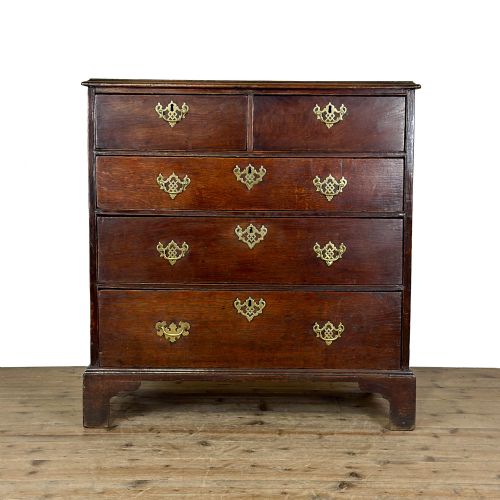
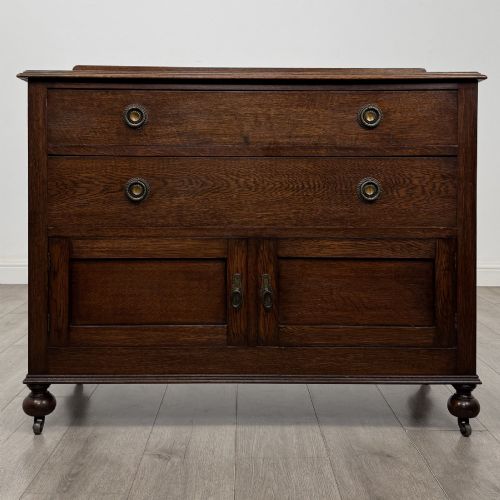
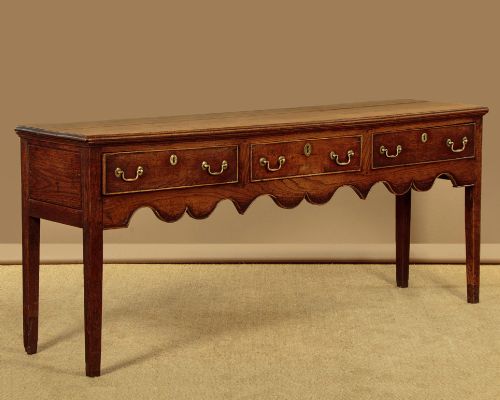
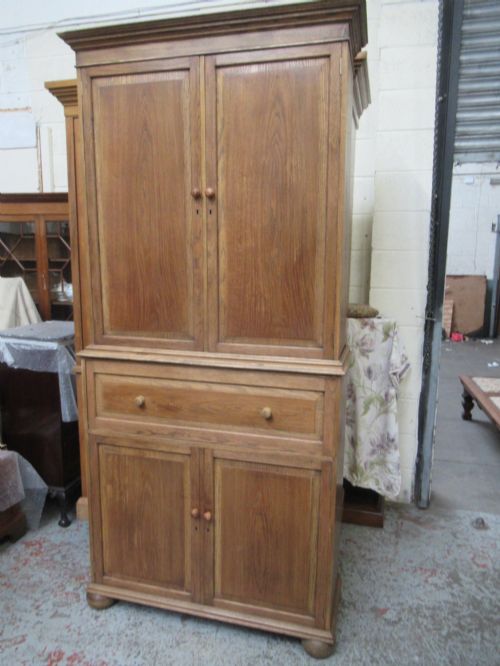
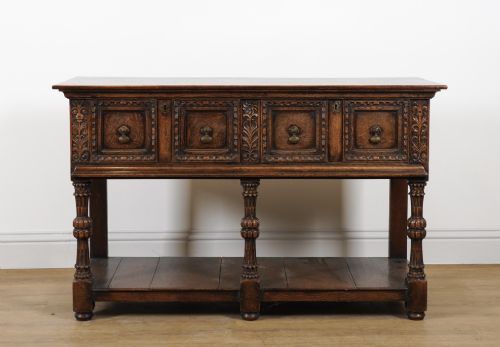
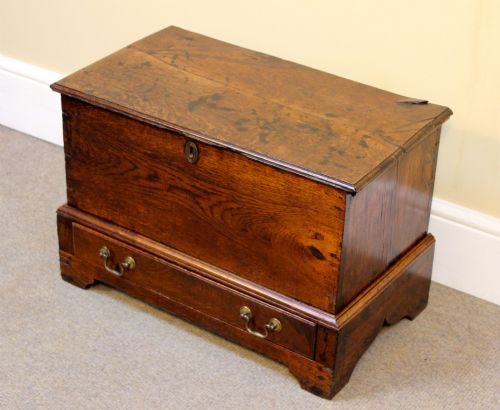
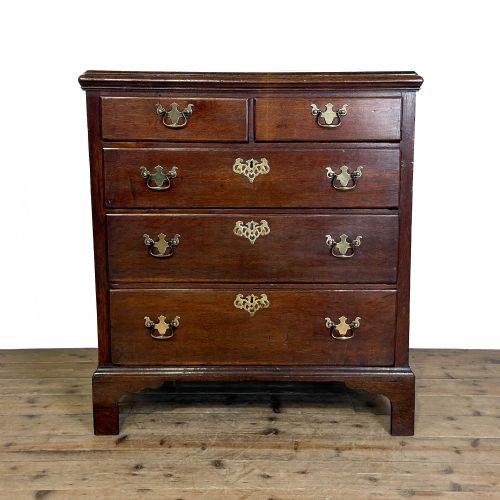
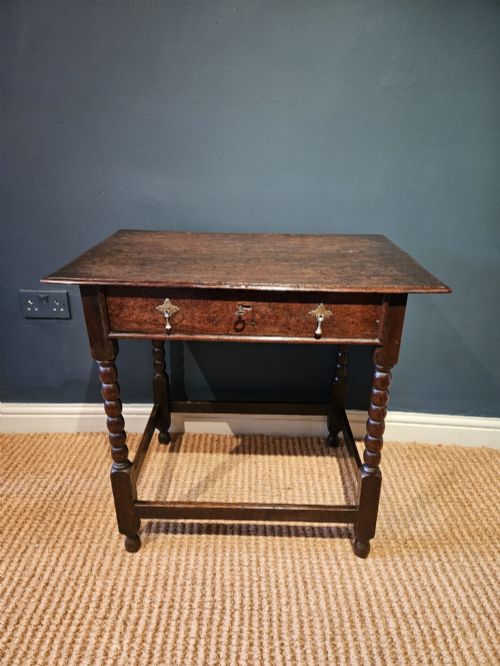
The selection ranges from lowboys and dresser bases with single or multiple drawers to mule chests and miniature chests of drawers. Regional variations appear across Welsh, Irish, and Cheshire examples, often displaying characteristic proportions and storage arrangements.
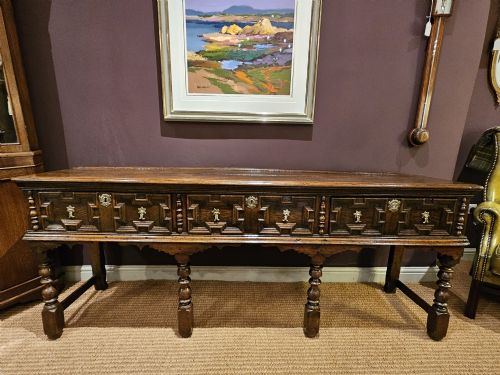
Jacobean and Georgian styles dominate the aesthetic, with styles spanning from early geometric mouldings to plain country panels. Pieces frequently integrate auxiliary storage such as lower drawers, raised galleries, or fitted interiors.
Materials and Construction
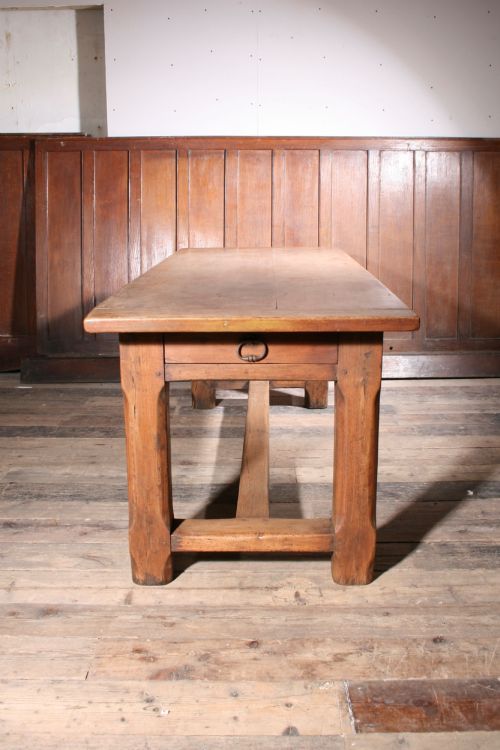
Construction relies heavily on solid oak, complemented by secondary timbers like elm, ash, walnut, and sycamore. Joinery techniques from earlier periods utilise pegged frames and hand-cut joints to stabilise the heavy timber.
Decorative detailing incorporates contrasting ebony inlay and carved elements, while hardware consists of brass drop handles, escutcheons, and forged iron fittings. Surfaces finish with natural wax or polish that accentuates the grain of the oak.
Century Oak Drawers Retail Price Guide 2026
Typical asking prices for century oak drawers among the pieces listed under this phrase on Sellingantiques today, from the lower quarter to the upper quarter. They describe what is for sale here now, not the wider market.
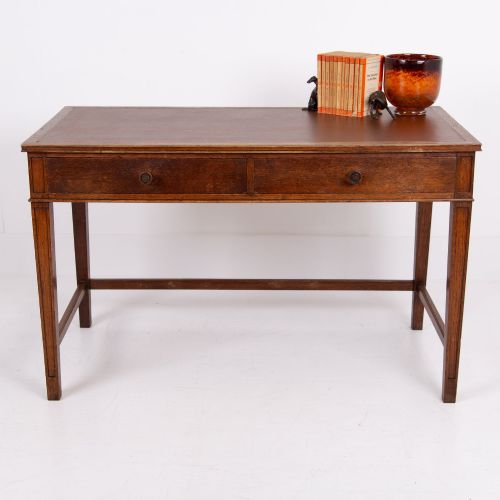
Object types vary from standard chests of drawers to specialised forms like mule chests, dresser bases, and work tables.
Quality and Craftsmanship
Superior examples demonstrate meticulous attention to the grain of the oak, with timber selected for uniformity and rich colour depth. Fine execution shows in the precision of geometric mouldings, carving, and the integration of contrasting woods like ebony and sycamore.
Internal construction dictates distinction at the higher end, where drawer linings remain solid and timber movement is accommodated properly. Superior pieces retain original brass hardware, stable paneling, and well-preserved structural integrity across centuries of use.
The Century Oak Drawers Glossary
- Mule chest
- A storage chest featuring one or more drawers at the base beneath a hinged lid compartment. This form bridges the traditional blanket chest and the modern chest of drawers.
- Lowboy
- A small oak table with one or more drawers, commonly used as a dressing table or side table during the eighteenth century. They typically stand on slender cabriole or turned legs.
- Dresser base
- A heavy wooden sideboard or lower section of a Welsh dresser equipped with multiple drawers and cupboards. These pieces served practical food preparation and storage functions in country houses.
- Garret chest
- A smaller chest of drawers traditionally housed in upper attic rooms or modest chambers. Their compact proportions make them suitable for modern spaces.
- Geometric chest
- A piece featuring raised mouldings arranged in geometric patterns across the drawer fronts. This decorative approach is particularly associated with seventeenth century craftsmanship.
Century Oak Drawers: Frequently Asked Questions
How do I date a set of drawers?
Dating relies on examining construction methods, timber selection, and hardware styles. Hand-cut joints, pegged framing, and the specific patina of the oak point to earlier centuries.
Secondary woods and drawer construction provide further clues, as mass-produced fixings and standardised drawer linings generally indicate twentieth-century manufacturing.
Where should I place these in a modern home?
These pieces function well in hallways, living rooms, and bedrooms where solid storage is required. Smaller formats like table top drawers or lowboys fit easily into compact spaces.
Their robust timber construction allows them to serve as functional sideboards, bedside units, or standalone statement surfaces.
What is the difference between Georgian and seventeenth-century pieces?
Seventeenth-century pieces typically feature heavy paneling, geometric mouldings, and darker, densely figured oak. Construction is often more robust and rustic.
Georgian examples tend to show refined proportions, cleaner lines, and sometimes softer golden oak or walnut veneers alongside traditional brass hardware.
How do I care for antique oak furniture?
Maintain the timber by applying natural beeswax periodically to nourish the dry wood and preserve the surface sheen. Avoid placing pieces near direct heat sources or strong sunlight.
Dust regularly with a soft, dry cloth and clean spills immediately to protect the historic finish from water marking.