


Century Library Desk
A century library desk brings substantial writing surfaces and rich timber character into a study, built to handle heavy volumes and daily correspondence.
Century Library Desk
When searching for a century library desk, buyers encounter robust writing tables, partners desks, and pedestal desks designed for serious workspace. These pieces span the Georgian, Regency, and Victorian periods, showcasing traditional British and continental forms.
Mahogany and walnut dominate the selection, often complemented by leather writing inserts and brass hardware. Most examples date from the nineteenth century, reflecting the period's demand for functional domestic and institutional study furniture.
Materials and Construction
Cabinet makers utilised dense hardwoods like mahogany, walnut, oak, and rosewood to ensure structural stability for heavy books and daily use. Timber surfaces frequently feature intricate marquetry inlay, burr veneers, or carved details in regional styles.
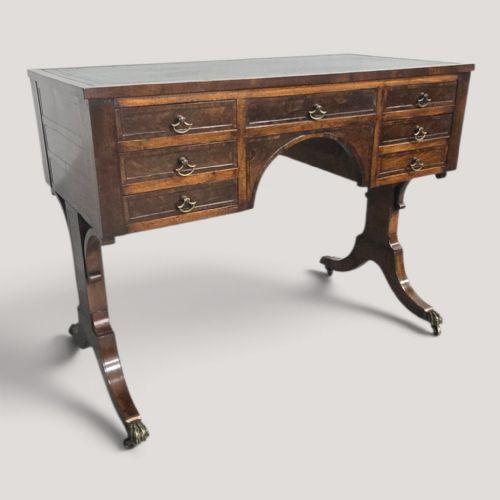
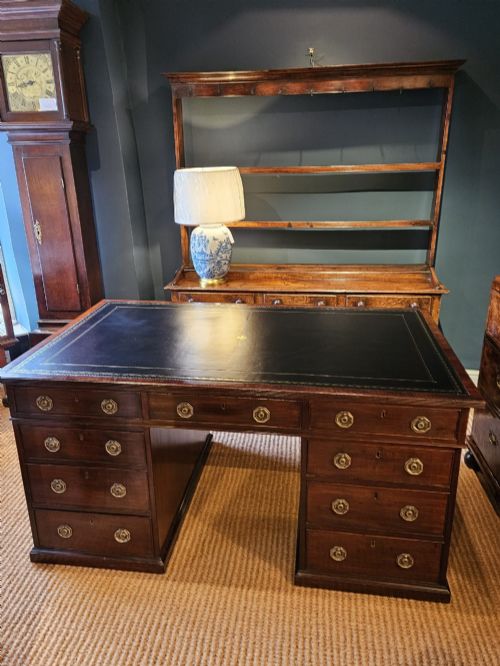
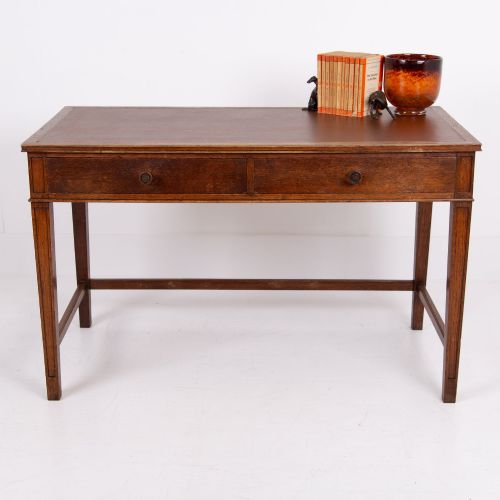
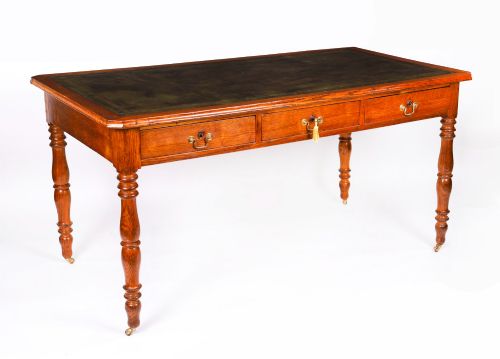
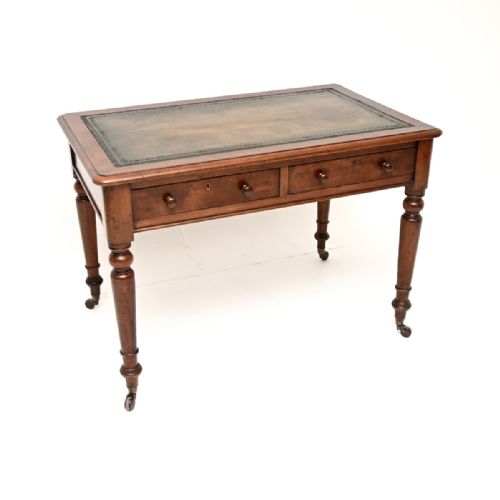
Writing surfaces incorporate inset leather panels alongside brass handles, locks, and castors. Structural joinery relies on traditional methods, supporting pedestal bases, drawers, and freestanding library tables.
Century Library Desk Retail Price Guide 2026
Typical asking prices for century library desk among the pieces listed under this phrase on Sellingantiques today, from the lower quarter to the upper quarter. They describe what is for sale here now, not the wider market.
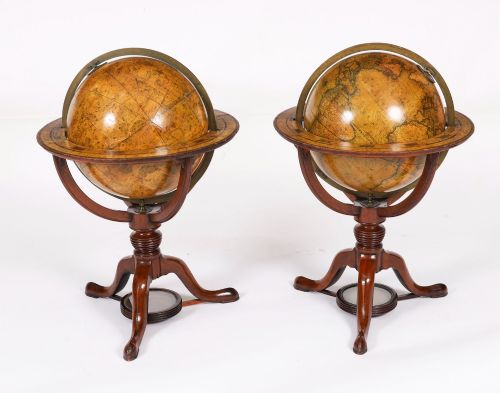
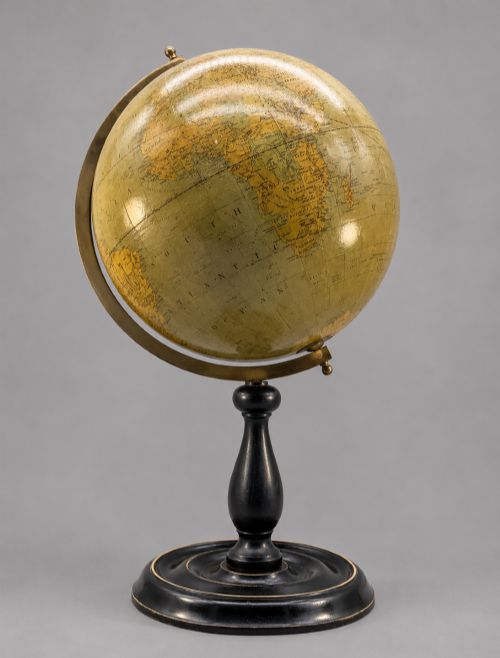
Terrestrial globes quietly share floor space with partners desks, ready to guide Victorian armchair travellers across distant oceans.
Distinctions in Quality
Quality rests upon the selection of timber veneers, the crispness of hand-carved details, and the integrity of internal drawer construction. Superior pieces maintain original brass fittings, stable leather writing surfaces, and balanced proportions across partners and pedestal formats.
The degree of refinement in marquetry inlay and the depth of the wood grain separate standard utilitarian items from exceptional cabinet work. Construction methods that conceal structural wear while preserving original patination determine the standing of each piece.
Cary London·Gillows
The Century Library Desk Glossary
- Partners desk
- A large double-sided desk designed for two people to work opposite each other, featuring drawers on both faces.
- Pedestal desk
- A freestanding writing table comprising two pedestals of drawers supporting a single top.
- Marquetry
- Decorative veneer work formed by fitting pieces of various coloured woods into a patterned background.
- Ormolu
- Gilded bronze mountings applied to furniture for decorative enrichment, common in French cabinet work.
- Bergere
- An enclosed upholstered armchair with wooden framing, seen in various period iterations.
Century Library Desk: Frequently Asked Questions
What is a partners desk?
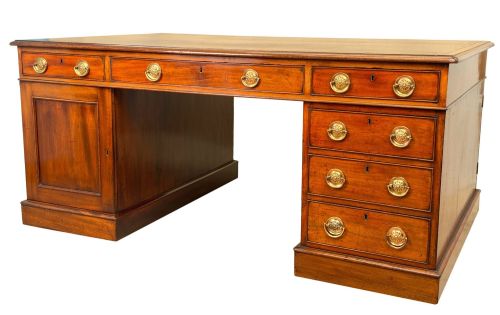
A partners desk is a large double-sided writing table built with banks of drawers on opposing faces. This layout allowed two people to work opposite one another in a shared study or library.
These pieces form a distinct subset within library furniture, prioritising large timber surfaces and substantial storage capacity.
How do I identify a Victorian desk?
Victorian desks typically display heavier proportions, darker walnut or mahogany timbers, and often incorporate inset leather writing surfaces. Construction from this era spans pedestal formats and writing tables.
Details often include turned wooden knobs, brass drawer pulls, and occasionally castors to facilitate movement across floor surfaces.
What woods were used for library desks?
Cabinet makers relied primarily on dense hardwoods like mahogany and walnut for strength and fine grain patterns. Oak, rosewood, and yew also appear across various regional and period examples.
Inlays and decorative veneers utilise contrasting timbers to create geometric or floral patterns on writing surfaces and drawer fronts.
Where should I place a library table?
Library tables function best as freestanding centrepieces in a room, allowing access to drawers and finished timber backs from all sides. Their robust construction supports heavy books and daily writing tasks.
Placing them away from direct heat sources helps preserve the stability of the solid timber and veneer surfaces.