

Century Display Cupboard
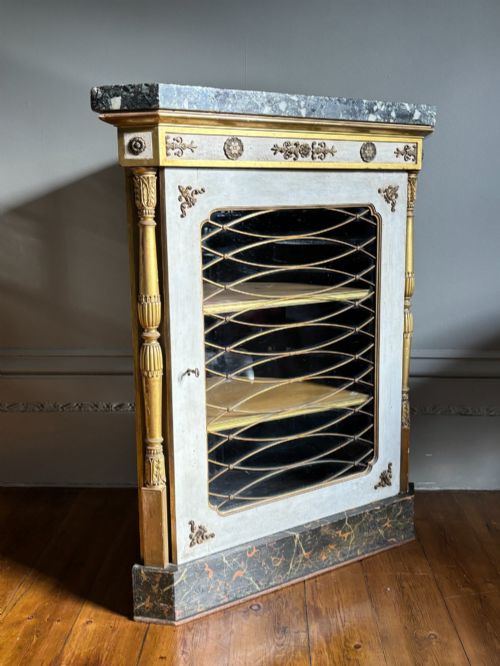
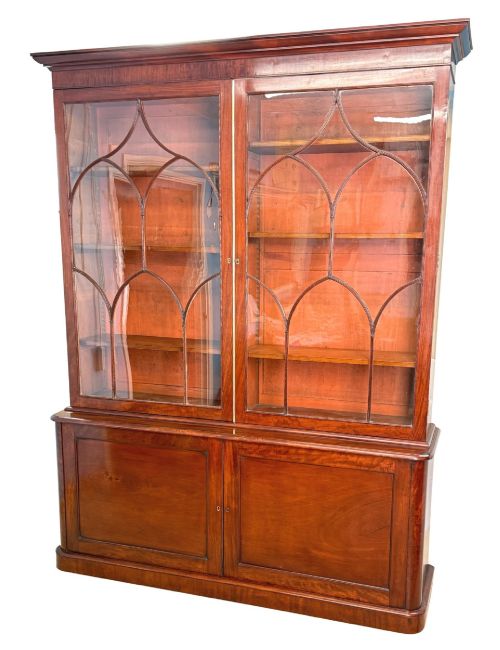
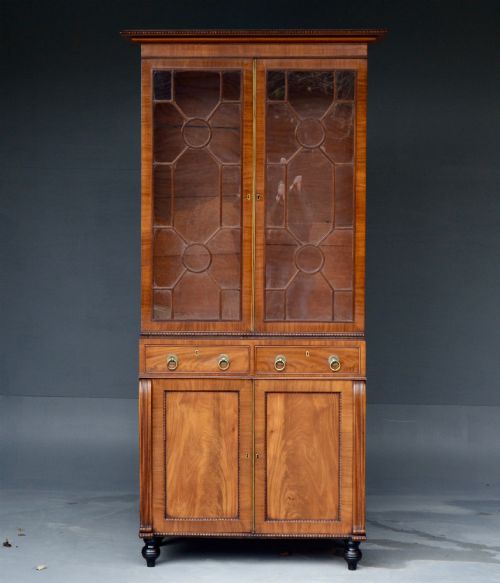
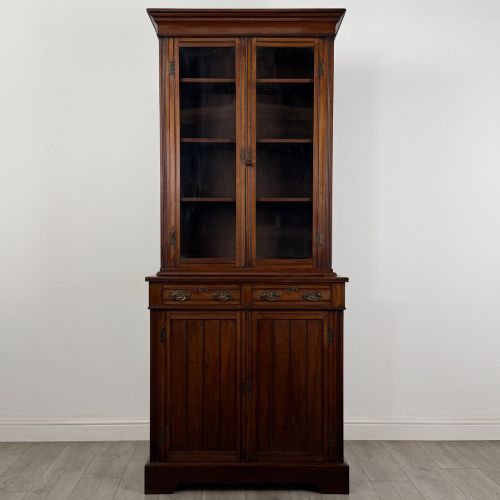
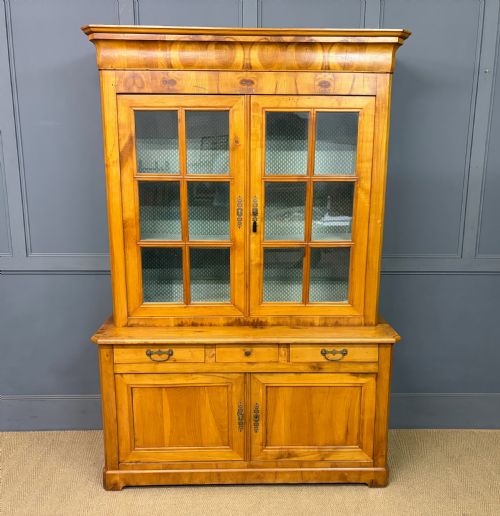
A century display cupboard brings together wood and glass to hold objects, appearing here in forms from corner units to tall breakfront bookcases.
Century Display Cupboard
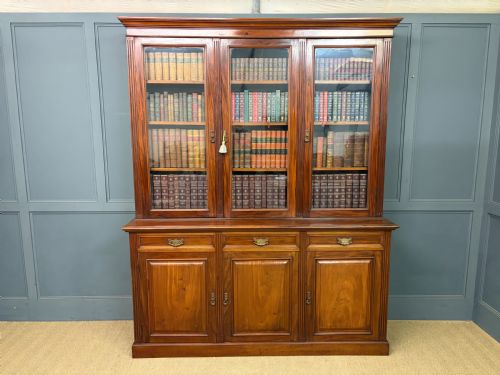
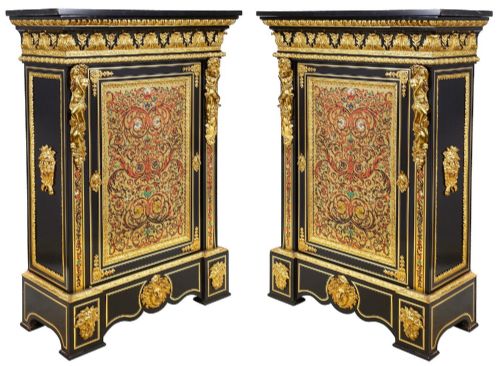
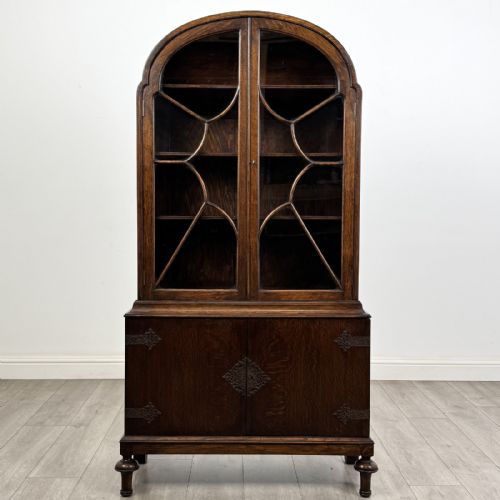
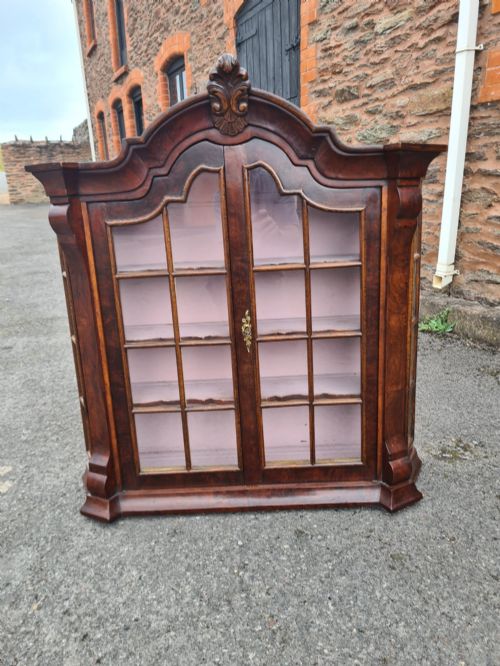
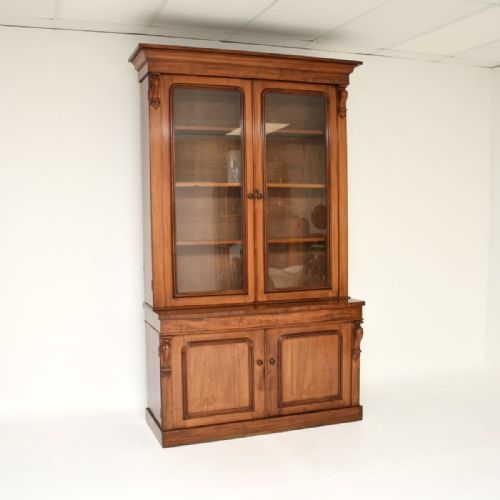
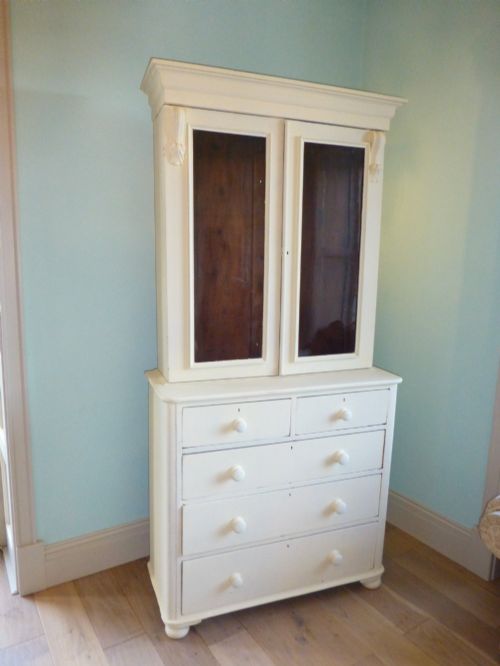
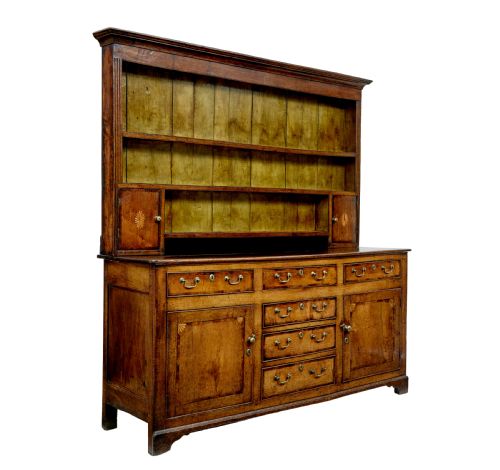
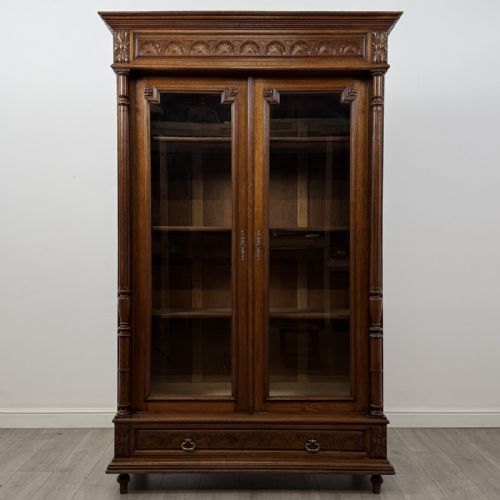
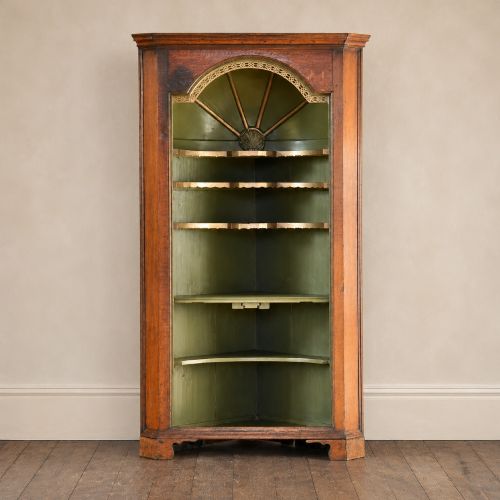
A century display cupboard takes several forms across this selection, including glazed pier cabinets, corner cupboards, and large breakfront bookcases. Buyers searching for a century display cupboard often encounter Victorian walnut and mahogany examples alongside earlier Georgian designs.
The objects serve to store and exhibit porcelain, books, and silverware behind glass doors or open shelves. Pieces range from small wall-hung units to large two-part library bookcases originating in England, France, Italy, and the Netherlands.
How they were made
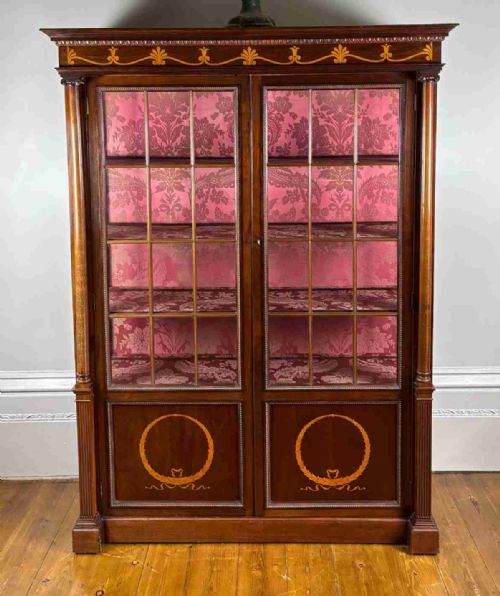
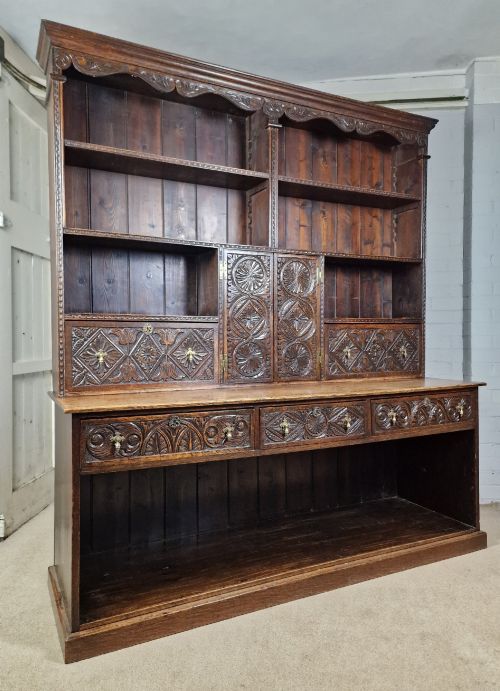
Cabinetmakers constructed these cupboards using solid timbers such as mahogany, oak, and walnut, frequently applying burr walnut veneers or floral marquetry to primary surfaces. Brass hardware, fabric linings, and mirrored elements appear alongside carved panels and inlaid details.
Joinery techniques include crossbanding and glazing bars fitted into doors to hold individual panes of glass. Carved decorative motifs in styles from Gothic Revival to Dutch Baroque finish the structural timber framework.
Century Display Cupboard Retail Price Guide 2026
Typical asking prices for century display cupboard among the pieces listed under this phrase on Sellingantiques today, from the lower quarter to the upper quarter. They describe what is for sale here now, not the wider market.
Listings span multiple centuries, incorporating oak, mahogany, walnut, and pine alongside glass and brass elements.
What varies in quality
The caliber of a century display cupboard rests in the depth of its timber figure and the precision of its marquetry or inlay work. Superior examples display carefully matched burr veneers and hand-carved ornamentation rather than applied decoration.
Structural refinement shows in the fitting of glazed doors, the integration of raised galleries or cornices, and the choice of secondary woods. Pieces by known makers or from distinct revival movements demonstrate higher levels of execution in the joinery.
John Moyr Smith·Rushworth's·Gillows
The Century Display Cupboard Glossary
- Pier cabinet
- A low cabinet designed to fit the wall space between windows. These pieces often feature glazed doors and walnut or mahogany construction.
- Marquetry
- Decorative patterns formed by fitting together thin veneers of wood and other materials onto a carcase. Dutch walnut examples frequently use this technique for floral designs.
- Breakfront
- A piece of furniture whose central section projects forward from the flanking wings. This layout appears on large nineteenth-century library bookcases.
- Crossbanding
- A border of veneer laid around the central grain of a panel so the grain runs at right angles to the centre. This method frames drawer fronts and cabinet doors on Georgian and later pieces.
Century Display Cupboard: Frequently Asked Questions
What is a pier cabinet?
A pier cabinet is a low storage piece intended for the wall space between two windows. Victorian examples often incorporate glazed doors to display porcelain inside.
These units sit low to the ground and frequently utilise burr walnut or mahogany timbers.
How do I spot a Georgian corner cabinet?
Georgian corner cupboards utilise oak or mahogany and fit directly into ninety-degree wall junctions. They feature panelled or glazed doors opening to shaped interior shelves.
Eighteenth-century examples often display crossbanding and brass H-hinges.
What timber is burr walnut?
Burr walnut is taken from the gnarled growth on a walnut tree, yielding a swirling pattern. Cabinetmakers used it as a veneer on Victorian and later display cabinets.
This material provides a highly decorative surface on door panels and tabletops.
Where were breakfront bookcases placed?
Large breakfront bookcases stood in libraries and principal reception rooms of substantial houses. Their projecting central sections accommodated extensive book collections.
These pieces combine open shelving with lower enclosed cupboards behind wooden doors.