

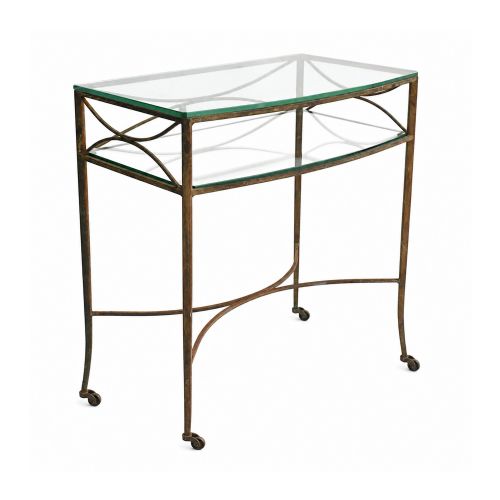

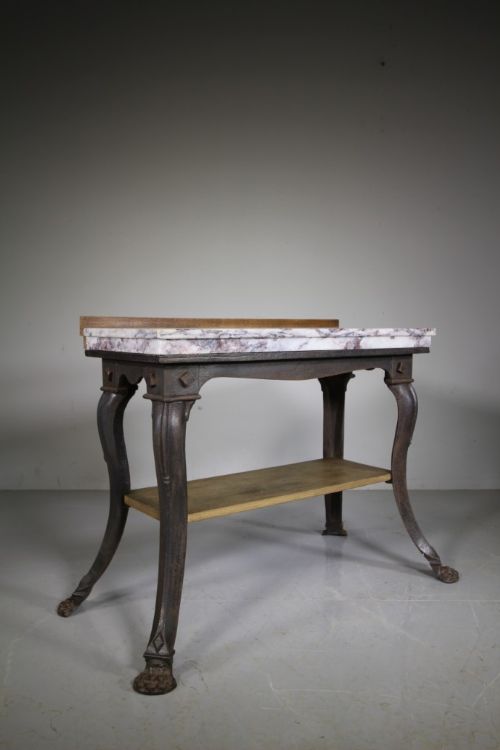


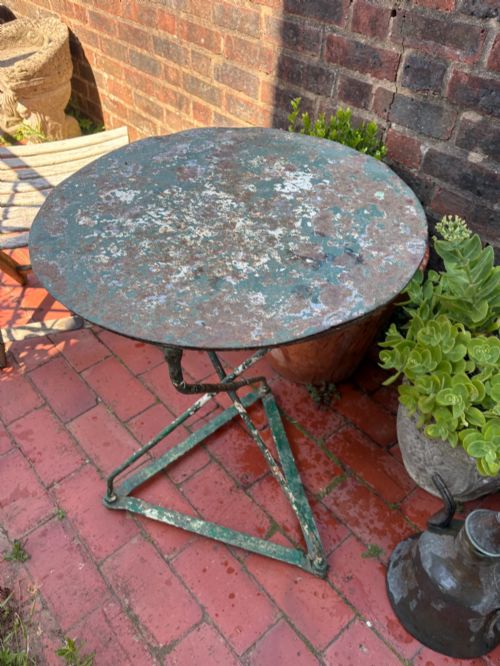
Century Cast Iron Table
A century cast iron table brings durable metalwork and stone surfaces together, offering a sturdy utility that suits gardens, kitchens, and living spaces alike.
Century Cast Iron Table
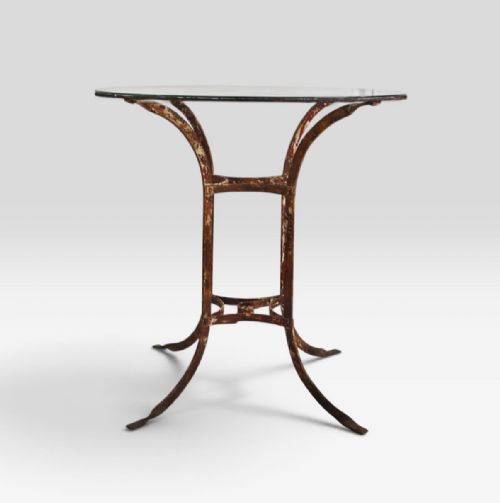
When you search for a century cast iron table, you encounter robust furniture originating predominantly from the nineteenth and early twentieth centuries. These pieces encompass various forms, including bistro tables, garden tables, console tables, and side tables designed for both domestic and commercial use.
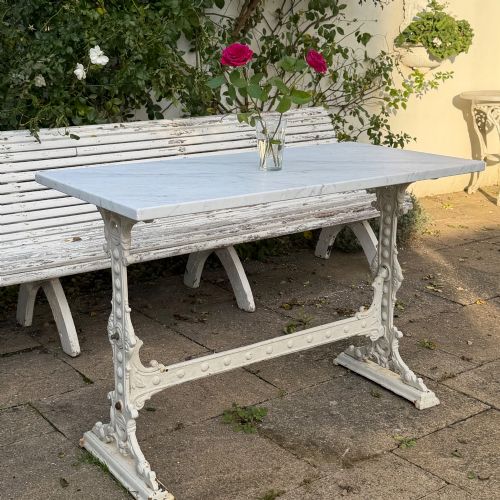
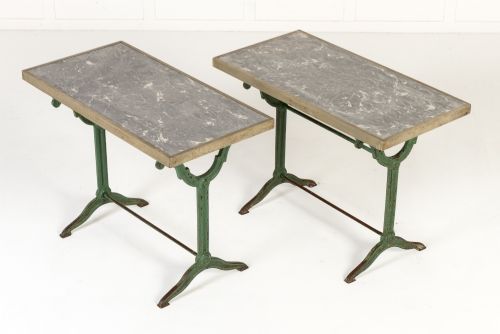
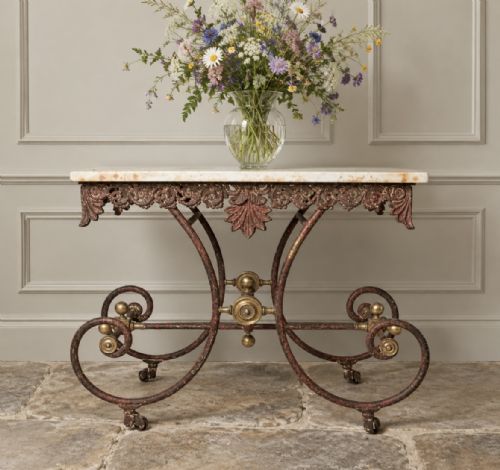
The most common variants on this page combine heavy metal bases with smooth stone or timber surfaces. French bistro and garden examples frequently feature decorative cast frames paired with marble or stone slabs.
Origins span English, French, and Swedish workshops, reflecting both industrial utility and ornamental Victorian design. Pieces range from simple utilitarian bases to elaborate jardinieres and lion-form supports.
Materials and Construction
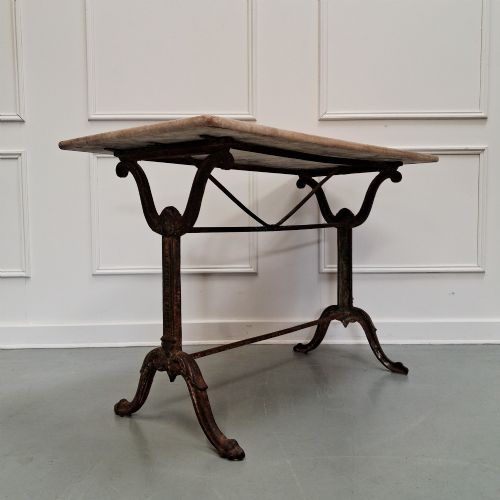
Manufacturers poured molten metal into sand moulds to create rigid, ornate bases with high structural strength. These iron foundations were frequently painted or given patinated finishes to protect the metal and enhance decorative detail.
Tops were constructed from heavy materials such as marble, stone, oak, and pine, secured directly to the metal frame. Brass and copper components occasionally appeared as accents, fixings, or decorative mounts.
Construction techniques prioritized durability, utilising heavy bolts and integrated brackets to anchor stone slabs to the substantial iron pedestals.
Century Cast Iron Table Retail Price Guide 2026
Typical asking prices for century cast iron table among the pieces listed under this phrase on Sellingantiques today, from the lower quarter to the upper quarter. They describe what is for sale here now, not the wider market.
Listings feature items spanning the 1860s through the 1920s, utilising cast iron, marble, brass, and wood across various table forms.
Quality Variations
Quality rests in the crispness of the cast iron detailing and the integrity of the original top. Finer examples display deeply moulded decorative motifs, balanced proportions, and undamaged natural stone surfaces rather than crude replacements.
The sophistication of the foundry work dictates the distinction between standard utilitarian items and high-end decorative commissions. Heavy, stable bases with intact period paintwork or authentic patination command greater appreciation.
The Century Cast Iron Table Glossary
- Cast Iron
- An iron-carbon alloy poured into moulds to form rigid shapes. This material provides the heavy, stable foundation characteristic of these tables.
- Bistro Table
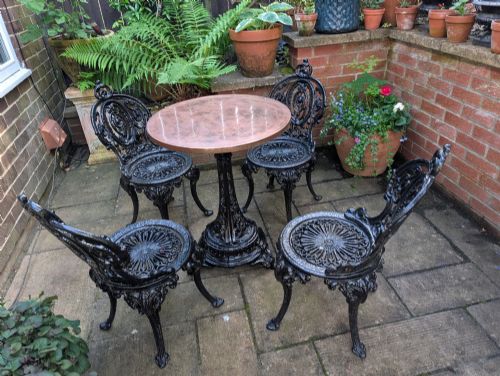
- A small table traditionally used in cafes and outdoor eateries. These compact pieces often feature a central cast iron pedestal and a round marble top.
- Gueridon
- A small French round table supported by one or more central columns. They frequently incorporate decorative metal bases and stone tops.
- Console Table
- A table designed to stand against a wall, often featuring a rectangular top. Iron versions provide sturdy support for heavy display items.
- Patination
- The natural ageing and surface change on metal, wood, or paint over time. This finish indicates genuine period origin and handling.
Century Cast Iron Table: Frequently Asked Questions
How do I clean a marble top?
Use warm water and a soft cloth to wipe down the stone surface gently. Avoid acidic cleaners that can etch the marble.
Dry the top thoroughly after washing to prevent water marks and maintain the polished finish.
Can these tables stay outside?
Garden tables and bistro pieces are designed for outdoor endurance. Iron frames handle weather well if protected from standing moisture.
Storing them under cover during harsh winter months preserves the painted finish and prevents rust accumulation.
How do I date a cast iron table?
Examine the construction methods, bolt types, and surface patination for clues to the manufacturing era. Nineteenth-century pieces often display heavier casting and hand-finished details.
Compare the decorative style, such as Victorian ornamentation or French industrial design, against known production periods.
Are replacement tops common?
Original marble and stone slabs frequently experience damage over long periods of use. Many surviving bases have received replacement tops to remain functional.
Check how the top secures to the frame to determine if the combination is period-correct.