



Cavalier Portrait Art
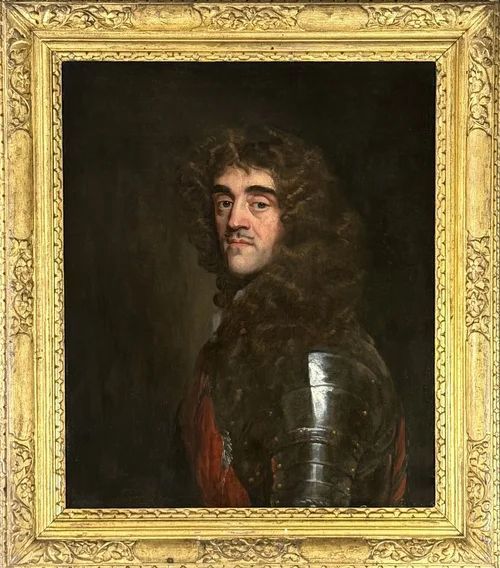
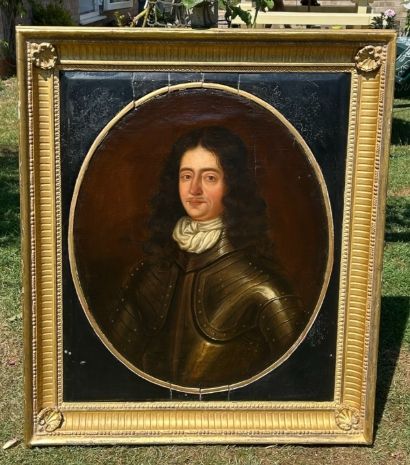
These cavalier portrait art pieces capture the sweeping romance and drama of seventeenth-century figures, offering striking focal points for a traditional interior.
Cavalier Portrait Art
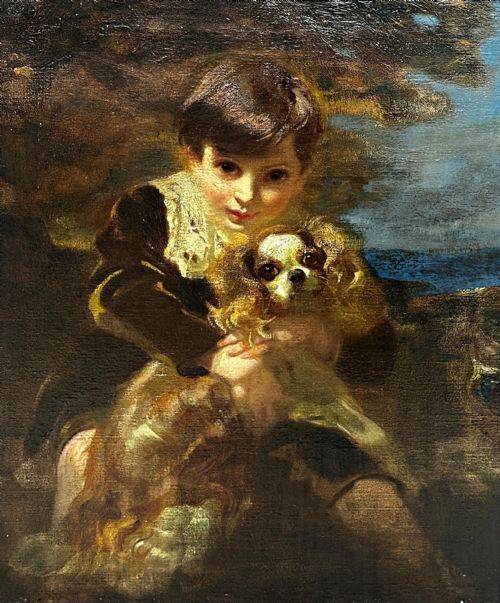
When you search for cavalier portrait art, you encounter historical depictions of gentlemen in period attire, often rendered in rich oil paint on canvas or wooden panels.
The selections on this page range from authentic seventeenth-century works to later Victorian and Edwardian revivals that imitate the grand manner of earlier decades.
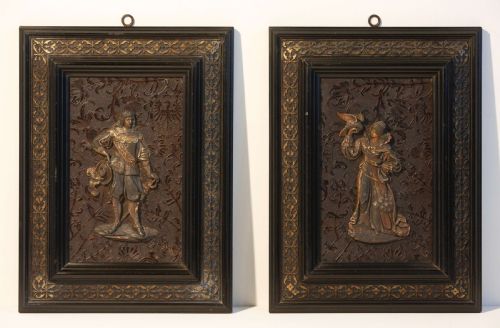
Alongside standard framed oil paintings, the range includes relief plaques and watercolours depicting soldiers, noblemen, and figures in historical dress.
Materials and Construction
These works rely primarily on traditional oil paint applied to stretched canvas or wooden panels, capturing deep tones and luminous details.
Frames are frequently constructed from giltwood, gilded wood, or gilt wood, adding ornamental weight to the presentation of the paintings.
Alternative pieces utilise white metal and gilded bronze to cast detailed relief plaques depicting period figures.
Cavalier Portrait Art Retail Price Guide 2026
Typical asking prices for cavalier portrait art among the pieces listed under this phrase on Sellingantiques today, from the lower quarter to the upper quarter. They describe what is for sale here now, not the wider market.
Materials documented across the page include oil on canvas, wooden panels, giltwood frames, and gilded bronze relief plaques.
Factors of Quality
The distinction between ordinary and exceptional works rests upon the fluidity of the brushwork and the anatomical conviction of the figure.
Period authenticity and the handling of light across armour, fabric, and flesh elevate certain paintings above provincial or purely decorative copies.
The integrity of the original support, whether canvas or panel, alongside the preservation of the paint surface, dictates the longevity and standing of the piece.
JOHN GREENHILL·Ernest Crofts·Frank Owen Salisbury·Adolphe-Alexandre Lesrel
The Cavalier Portrait Art Glossary
- Oil on Canvas
- A painting technique using pigments bound in a drying oil applied to a woven fabric support stretched across a wooden frame.
- Giltwood
- Timber carved and coated with a thin layer of gold leaf or metallic powder, commonly used for period picture frames.
- Baroque
- An ornate artistic style spanning the seventeenth and eighteenth centuries, characterised by dramatic movement and deep chiaroscuro lighting.
- Relief Plaque
- A wall-mounted decorative object where figures project from a flat background rather than existing as a flat painting.
- Academic Historicism
- A late-nineteenth-century approach to painting that meticulously recreates historical costumes, settings, and events with academic precision.
Cavalier Portrait Art: Frequently Asked Questions
What is cavalier portrait art?
These works depict historical figures, soldiers, and gentlemen from the seventeenth century and later revivals, often dressed in armour, ruffs, or theatrical costume.
They serve primarily as decorative focal points that introduce historical character and rich colour palettes into traditional rooms.
How do I date a painting?
Dating relies on examining the stretcher frames, canvas preparation, pigments, and stylistic markers such as costume details and painting technique.
Later revival works from the Victorian or Edwardian eras often use machine-woven canvases and modern framing methods that distinguish them from seventeenth-century originals.
Where should I hang these?
These portraits suit panelled rooms, libraries, or traditional hallways where the dark backgrounds and gilt frames complement period architecture.
Keep them away from direct sunlight and damp walls to preserve the integrity of the canvas and oil paint over time.
Are these works original?
The selection includes authentic seventeenth-century paintings alongside historical revival pieces produced during the nineteenth and early twentieth centuries.
Each listing records the specific period and medium to clarify whether a piece is a period original or a later homage.