
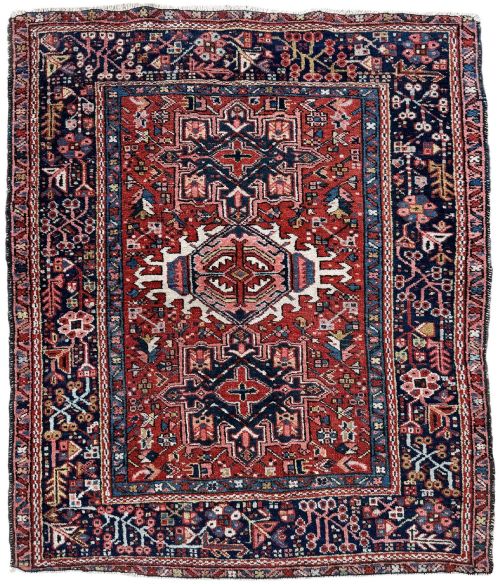
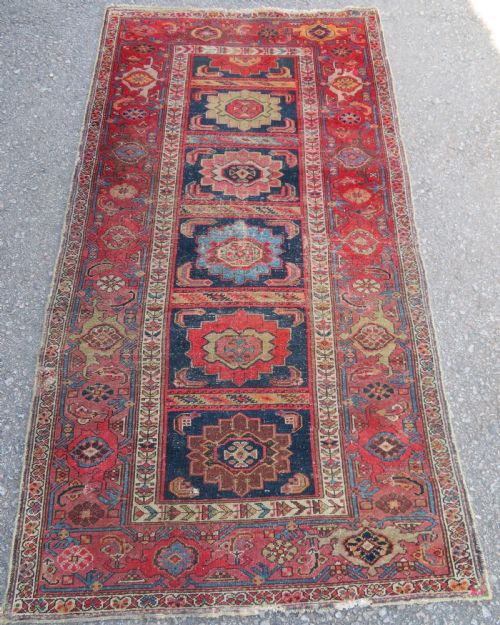
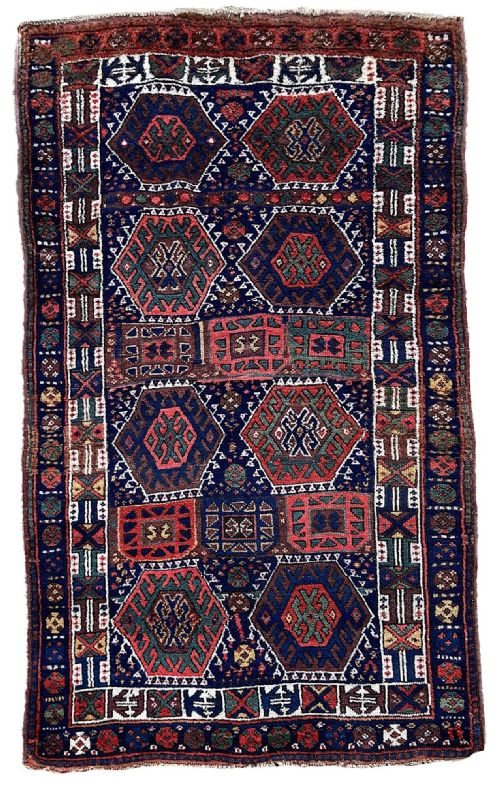


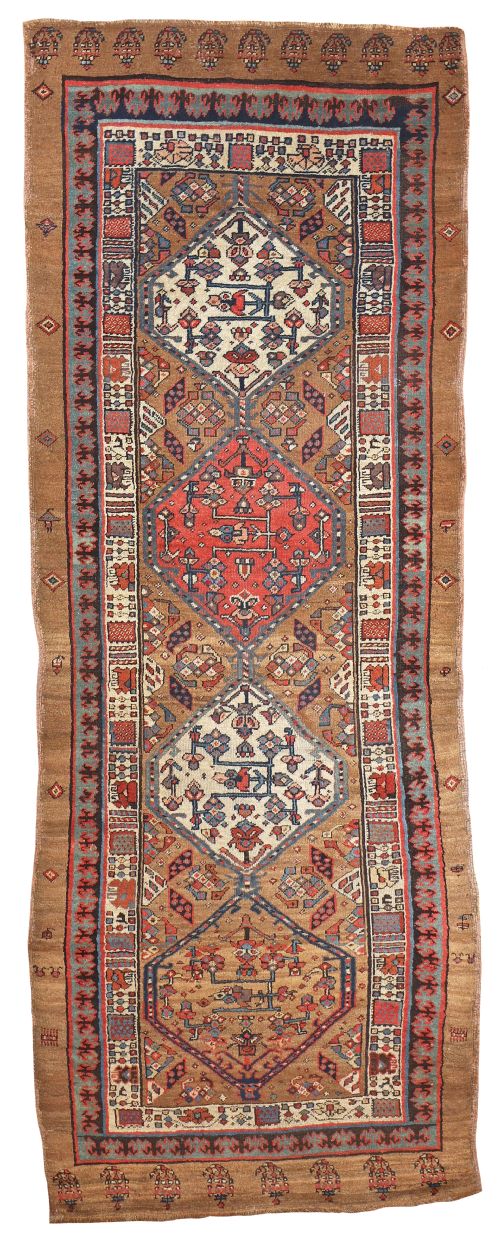

Caucasian Village Rug
A caucasian village rug delivers robust tribal geometry and saturated colour straight from the looms of nineteenth and early twentieth century weavers.
Caucasian Village Rug
When you search for a caucasian village rug, you encounter hand-knotted floor coverings originating from the Caucasus region and surrounding tribal areas, spanning dates from the late nineteenth century into the twentieth century. These textiles appear primarily as smaller format rugs, prayer rugs with niche designs, and hallway runners.
The selections here showcase distinct regional identities such as Kazak, Shirvan, Gendje, Karagashli, and Karabagh. Village weavers employed traditional geometric motifs, medallions, and hooked designs rather than the curvilinear floral patterns found in urban workshop carpets.
Materials and construction
The pieces listed on this page rely fundamentally on wool for both pile and foundation work, supplemented by cotton structures in specific regional types. Weavers utilised hand-spun wool which absorbed natural dyes unevenly, resulting in subtle tonal shifts known as abrash across the field.
Natural dye sources provided deep reds, indigos, and yellows that soften gracefully over decades of light exposure and wear. The knotting technique binds the wool securely to the warp and weft threads, creating a dense, resilient textile built for generations of daily use.
One exceptional Karabagh village rug carries the actual signed name of the weaver woven directly into the wool.
Quality differences
The distinction between standard examples and superior specimens rests upon the crispness of the geometric drawing and the saturation of the natural dyes. Tighter knot counts allow intricate medallion work and hooked motifs to maintain sharp definition across the field.
Secondary elements such as the preservation of original outer borders and the complexity of the internal palette elevate certain pieces. Condition plays a role, yet the artistic integrity of the tribal design and the depth of the wool remain the primary indicators of a superior weaving.
The Caucasian Village Rug Glossary
- Abrash
- A natural variation in wool colour caused by changes in dye batches or hand-spun yarn lots. This tonal shading appears as horizontal bands across the rug.
- Kazak
- A designated style of Caucasian rug originating from western regions, known for bold geometric medallions, primary primary colours, and sturdy construction.
- Medallion
- A central ornamental design motif placed in the field of the rug. These often take geometric, star, or hooked configurations.
- Prayer rug
- A smaller format rug featuring a mihrab or niche design at one end, traditionally oriented towards Mecca during daily prayers.
- Warp
- The vertical foundation threads stretched lengthwise on the loom before knotting begins. The visible fringes at either end of the rug are extensions of these threads.
Caucasian Village Rug: Frequently Asked Questions
What is a caucasian village rug?
A caucasian village rug is a hand-knotted tribal textile produced in the Caucasus region during the nineteenth and early twentieth centuries. These pieces typically display bold geometric patterns, medallions, and natural wool dyes.
Weavers in different villages developed distinct aesthetic traditions, creating recognisable regional types such as Kazak, Shirvan, and Gendje.
How do I care for an antique rug?
Protect your rug by placing it in a low-traffic area or utilising a proper non-slip underlay to prevent sliding and friction. Vacuum gently using suction only, avoiding the rotating brush bars that can damage old wool pile.
Keep the textile away from direct, harsh sunlight to preserve the natural dyes, and consult a specialist rug cleaner for periodic maintenance.
How do I tell different regional types apart?
Regional attribution relies upon specific design vocabularies, colour palettes, and structural characteristics found in the weave. Kazak rugs generally feature large, bold geometric medallions and primary colours, whereas Shirvan pieces often display finer, more intricate geometric patterns with crisp lines.
Examining the border configurations and the materials used in the foundation helps clarify the specific village or tribal group.
Were these rugs used on floors?
Village rugs served primarily as functional floor coverings, seating areas, and sleeping mats within traditional homes. Their dense wool pile and sturdy construction provided necessary insulation against cold stone and earth floors.
Certain formats, such as prayer rugs and smaller hangings, held specific domestic and devotional purposes within the household.