




Caucasian Daghestan Rug
A caucasian daghestan rug brings geometric structure and rich wool texture into a room, offering authentic tribal character from the Caucasus mountains.
Caucasian Daghestan Rug
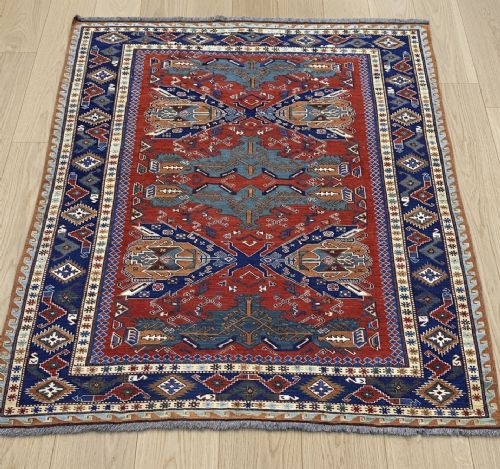
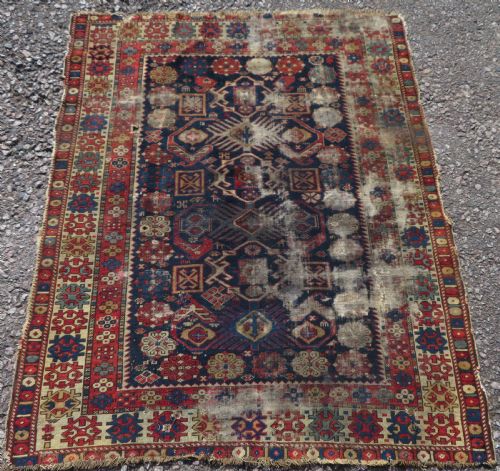
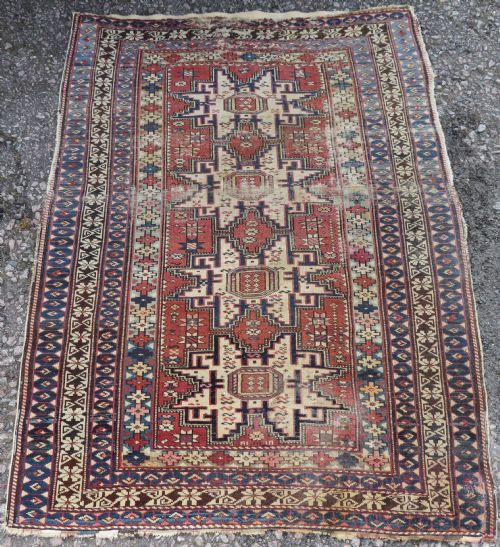
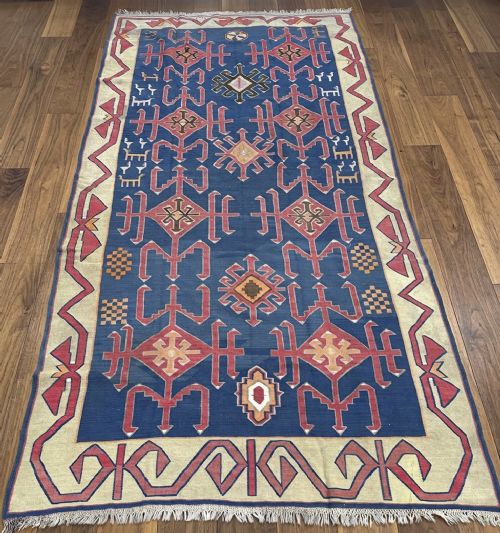
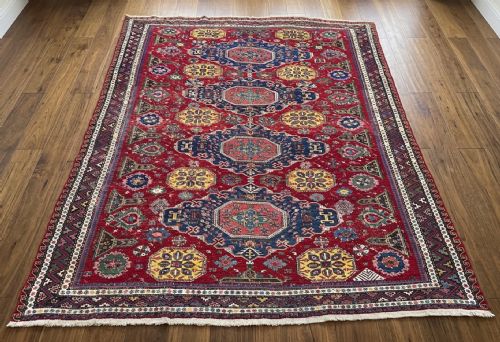
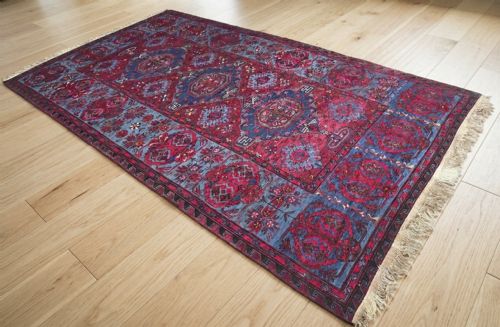
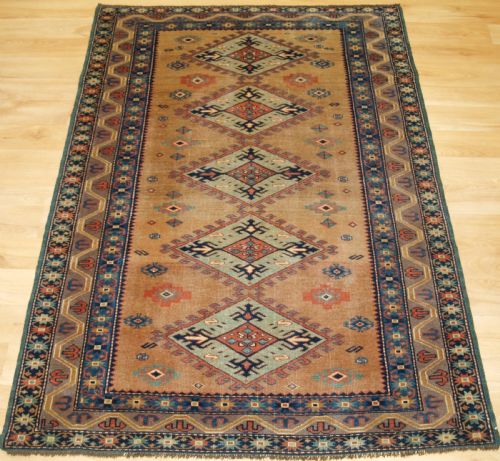
A caucasian daghestan rug is a woven floor covering originating from the mountainous regions of the Caucasus, spanning styles from traditional village work to flat-weave kilims and soumaks. You are most likely to encounter pile-woven rugs and flat-weaves bearing the distinctive geometric motifs of the Avar tribes and northern eastern areas, dating from the late Victorian period up to the mid twentieth century.
These pieces encompass regional variations including Derbent, Lesghi, and Kuba region productions, often taking the form of area rugs or prayer rugs. The visual language relies heavily on angular medallions, sharp borders, and tribal symbolism passed down through generations of weavers.
Dating ranges from the eighteen seventies through to nineteen fifty, capturing both dense pile creations and lightweight flat-woven structures. Collectors value these textiles for their direct connection to historical weaving traditions and their robust utility in domestic settings.
Materials and Construction
Every caucasian daghestan rug relies entirely on wool, utilised for both the foundation warps and wefts as well as the dense surface pile. The application of natural dyes creates a distinct palette that softens gracefully over decades of exposure and wear.
Construction techniques include both knotted pile work and flat-weave soumak methods, where extra weft threads wrap around the warp yarns to form intricate patterns. This combination of materials and weave produces textiles that lie flat on the floor while retaining considerable structural resilience.
Caucasian Daghestan Rug Retail Price Guide 2026
Typical asking prices for caucasian daghestan rug among the pieces listed under this phrase on Sellingantiques today, from the lower quarter to the upper quarter. They describe what is for sale here now, not the wider market.
Weavers tucked small symbolic amulets into the geometric borders to ward off the evil eye.
Assessing Quality
Quality in a caucasian daghestan rug rests upon the tightness of the weave and the clarity of the geometric drawing. Finer knots and precise alignment of borders indicate greater skill and time invested by the original maker.
The integrity of the wool and the depth of the natural dyes further separate standard village pieces from exceptional examples. Even when pieces show heavy distress or age, a superior weave maintains its structural rhythm and distinct colour graduation.
The Caucasian Daghestan Rug Glossary
- Soumak
- A flat-weave textile technique where decorative weft threads wrap around the vertical warp threads. This method creates a sturdy fabric with a smooth face and unclipped floats on the reverse.
- Kilim
- A tapestry-woven carpet or rug produced without a pile. These pieces are lightweight and feature sharp geometric patterns formed by the interlocking of colour threads.
- Pile
- The upright loops or cut ends of yarn that form the soft surface of a rug. The density and height of this wool layer define the tactile feel underfoot.
- Warp
- The stationary vertical threads stretched across a loom that form the structural foundation of the textile. All knots and wefts are tied or woven around these primary strands.
- Natural Dyes
- Colorants derived from plants, insects, and minerals used before the advent of synthetic aniline dyes. These substances yield complex, harmonious hues that age with subtle variation.
Caucasian Daghestan Rug: Frequently Asked Questions
How do I clean a fragile antique rug?
Surface dust should be removed gently using a soft brush or gentle suction without a beating roller. Professional textile conservators should handle any deep washing to protect old wool and natural dyes.
Avoid chemical spot treatments entirely, as harsh agents can strip colour or weaken aged fibres. Blot liquid spills immediately with a clean, dry white cloth from the outer edge inward.
Can I place these rugs in high traffic areas?
These textiles were originally made for domestic floor use and possess durable wool construction. However, heavily distressed or very fine older examples benefit from placement in low traffic zones to preserve the remaining structure.
A quality underlay helps prevent slipping and reduces friction between the wool and the floorboards. This simple precaution extends the working life of antique flat-weaves and pile rugs alike.
How do I date a piece from the Caucasus?
Dating relies on examining the structural materials, the chemical composition of the dyes, and the stylistic evolution of the geometric motifs. Victorian and late nineteenth century pieces often display specific regional colour balances and finer hand-spinning in the wool.
Comparing knot counts and weave structures against documented regional archives helps narrow the production era. Subtle shifts in design symmetry also provide clues to the period of origin.