






Cast Iron Plant Pots
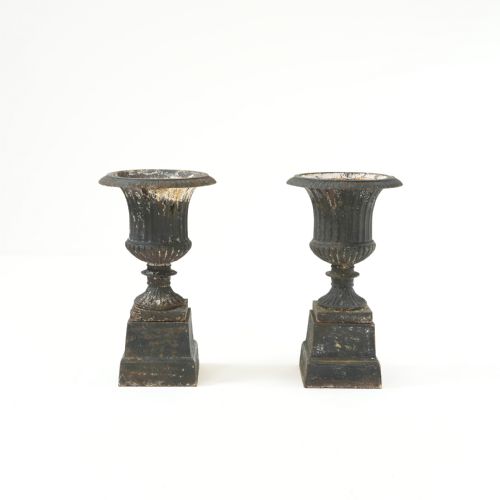
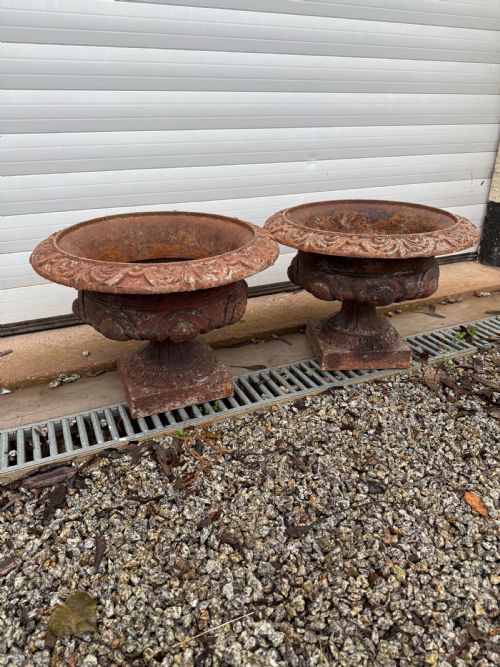
These cast iron plant pots bring weight and classical presence to gardens, taking the form of campana urns, jardiniere vessels, and novelty shrimp planters.
Cast Iron Plant Pots
Cast iron plant pots encompass heavy garden urns, planters, jardinieres, and plant stands designed to hold greenery indoors and out. The pieces seen here span the nineteenth century, the Victorian era, the Edwardian period, and up to nineteen fifty.
Buyers meet classical campana urns on plinths alongside novelty forms shaped like shrimp. Console tables and tiered pan stands also appear among the selections for housing plants.
Origins stretch from French workshops to English settings like the orangery. These items range from small jardinieres to large garden urns meant for permanent outdoor placement.
How they were made
Foundries poured molten metal into sand moulds to create the heavy walls of these vessels. This technique produced rigid forms capable of withstanding weather and supporting large plantings.
Many examples utilise protective layers of white paint over the bare metal. Wrought iron elements also appear on stands, combined with hardwood components on specific planting tables.
Cast Iron Plant Pots Retail Price Guide 2026
Typical asking prices for cast iron plant pots among the pieces listed under this phrase on Sellingantiques today, from the lower quarter to the upper quarter. They describe what is for sale here now, not the wider market.
Materials documented across the inventory include cast iron, paint, wrought iron, and hardwood.
What varies in quality
The refinement of the casting defines the upper tier of these vessels, showing crisp relief details on classical motifs rather than soft edges. Early nineteenth-century examples often demonstrate sharper definition in their ornament.
Proportion and scale separate standard utility planters from ambitious architectural urns and novelty pieces like shrimp forms. The integrity of surviving paint layers and the stability of combined materials also influence the character of each piece.
The Cast Iron Plant Pots Glossary
- Campana urn
- A bell-shaped vessel with a flared rim, frequently mounted on a square plinth. This classical form originates from antiquity and remained popular throughout the nineteenth century.
- Jardiniere
- An ornamental pot or stand designed specifically to hold plants or flowers. These vessels often sit indoors or within orangeries.
- Plinth
- A heavy base supporting an urn or planter. It elevates the vessel and adds stability to the composition.
- Wrought iron
- Iron beaten into shape by hand rather than poured into a mould. This material provides structural support for certain plant stands in the collection.
Cast Iron Plant Pots: Frequently Asked Questions
Where should I place a cast iron urn?
These heavy vessels suit formal gardens, patio settings, and orangery interiors where their weight provides stability. They require solid ground due to their substantial mass.
Position them away from delicate flooring surfaces that might sustain marks from rust or movement.
Can these planters stay outside in winter?
Cast iron withstands outdoor elements well, though freezing water trapped inside can crack the metal or the plantings. Raising the base slightly prevents moisture retention at the bottom.
Checking drainage holes ensures water escapes before expanding in cold weather.
How do I date a cast iron planter?
Dating relies on stylistic clues like Victorian classical revival motifs or Edwardian proportions, alongside construction marks left by the foundry. Eighteenth and nineteenth-century pieces often display hand-finished details.
Surface patination and layers of historical paint further indicate the age of the iron.
Are all these pieces meant for plants?
While the majority function as garden urns and jardinieres, the category also includes plant stands, console tables, and pan stands. These alternative forms elevate pots rather than holding soil directly.
Each item serves a specific role in displaying greenery within a room or garden scheme.