



Cast Iron Legs
These cast iron legs support tables, benches and fire accessories from the Victorian era up to the 1930s, offering robust utility and enduring industrial character.
Cast Iron Legs
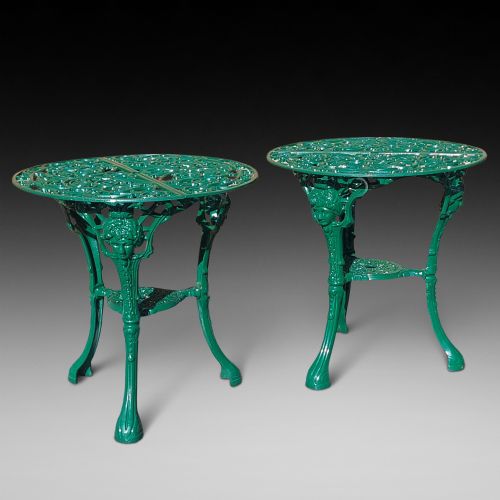
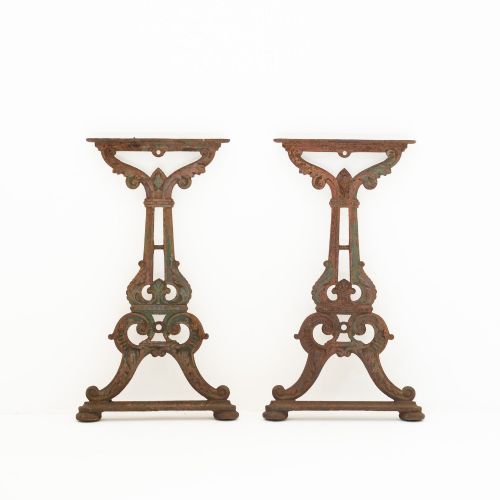
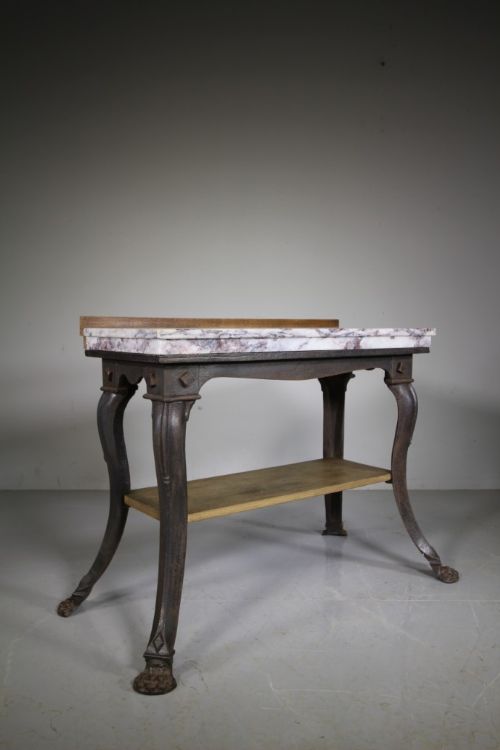
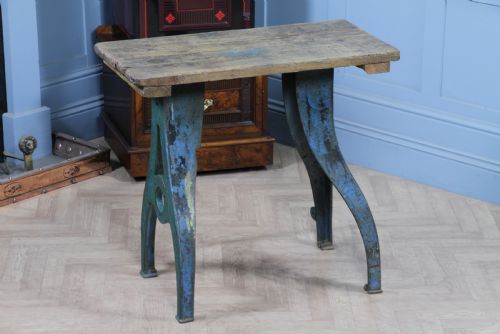
Cast iron legs form the structural foundation of various functional objects, ranging from heavy garden pub tables and benches to repurposed machine bases and console tables. When exploring cast iron legs, buyers encounter everything from complete antique tavern tables and bench ends to standalone table bases ready for new tops.
The selections span distinct periods and aesthetics, including Victorian garden pieces, 19th-century industrial items, and French Art Deco examples. Many of these components originate from utilitarian contexts like pubs, foundries, and workshops, where durability was paramount.
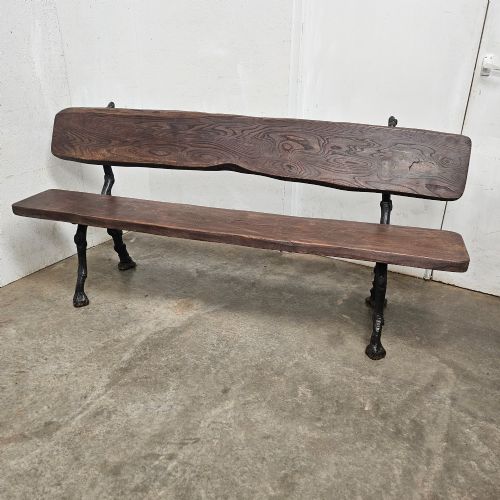
Forms vary from intricate scrollwork on garden bench ends to heavy, utilitarian machine bases paired with reclaimed pine. Buyers frequently find pairs of bench ends or table bases that demonstrate how these sturdy metal supports outlived their original wooden tops.
Materials and construction
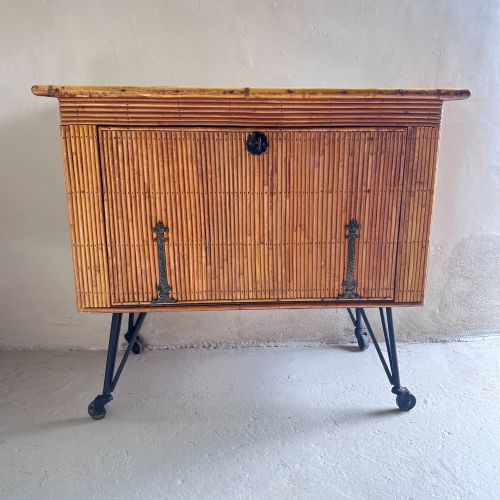
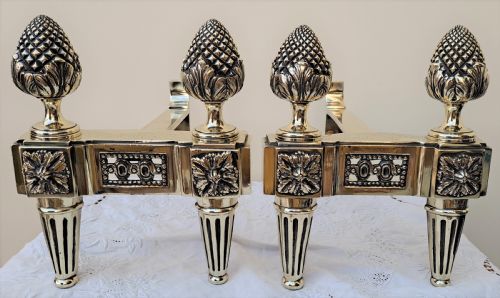
The core material across these listings is cast iron, frequently combined with timber tops or supports such as pine, elm, cedar, and bamboo. Brass details and painted surfaces also appear, adding decorative contrast to the dark, heavy metal frames.
Foundry techniques of the 19th and early 20th centuries allowed molten iron to be poured into detailed moulds, producing both ornate botanical motifs for garden furniture and rigid, industrial geometry for machinery bases. This moulding process created strong, rigid supports capable of bearing heavy marble, wood, or iron structures.
Cast Iron Legs Retail Price Guide 2026
Typical asking prices for cast iron legs among the pieces listed under this phrase on Sellingantiques today, from the lower quarter to the upper quarter. They describe what is for sale here now, not the wider market.
Listings feature items spanning the Victorian period, the 19th century, and the 1930s, constructed from cast iron, pine, elm, and bamboo.
Assessing quality and craftsmanship
Quality in these pieces is dictated by the crispness of the casting detail and the integrity of the metalwork. Finer Victorian examples exhibit sharply defined scrollwork and botanical relief, whereas utilitarian foundry pieces rely on solid, unyielding mass for their appeal.
The balance between the weight of the iron base and the material resting upon it determines the overall stability and proportion of the piece. Patina, original paint retention, and the harmonious integration of replacement wooden tops also distinguish superior examples from standard salvage.
The Cast Iron Legs Glossary
- Cast iron
- A strong, hard iron-carbon alloy produced by pouring molten metal into a mould. It provides the heavy, rigid foundation characteristic of these industrial and garden pieces.
- Foundry
- A factory that produces metal castings by pouring molten material into moulds. Many robust tables and bases originate from these industrial settings.
- Bench ends
- The structural side supports of a garden or park bench, often cast in ornate iron patterns. They survive independently when the wooden slats decay.
- Britannia table
- A traditional pub table design featuring a heavy cast-iron pedestal base, frequently bearing the image of Britannia. They became staples of Victorian and Edwardian drinking establishments.
Cast Iron Legs: Frequently Asked Questions
What are cast iron legs usually paired with?
These supports are most commonly found beneath wooden table tops such as pine, elm, and cedar, or paired with marble surfaces. They also serve as the structural ends for garden benches.
In some instances, industrial machine bases and decorative brackets are repurposed to support modern or reclaimed timber boards, creating functional console and coffee tables.
How can I tell Victorian cast iron from later pieces?
Victorian examples often feature distinct ornamentation, such as intricate botanical motifs, fern patterns, or manufacturer markings associated with 19th-century foundries. Later 20th-century pieces tend to show simpler industrial lines.
Examining the depth of the casting and the texture of the metal surface helps reveal the manufacturing period.
Are standalone table bases stable enough for daily use?
Cast iron is exceptionally heavy and dense, which naturally provides a very stable foundation for tables and consoles. Their substantial weight keeps them firmly grounded.
When fitted with an appropriate top, these bases easily handle the demands of everyday dining or workspace use.
Can these outdoor bench ends be left outside?
Cast iron handles outdoor environments well, provided the metal is maintained to prevent oxidation. Many of these pieces were originally designed for garden use.
Applying protective treatments helps preserve the surface paint and prevents weathering when exposed to rain and damp conditions.