






Cast Iron Handles
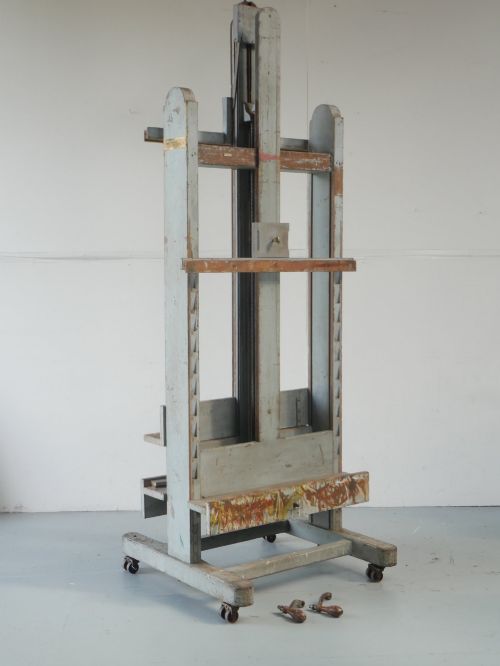
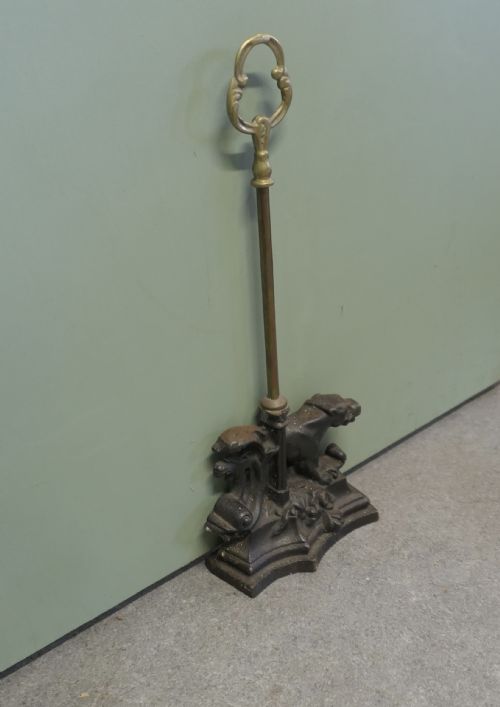
These cast iron handles give utility a distinct weight, appearing on heavy studio easels, campaign secretaires, and door porters.
Cast Iron Handles
When you search for cast iron handles, you encounter fittings attached to objects designed for heavy service, from nineteenth-century door porters to large studio easels and campaign furniture. These pieces span periods from the Georgian era through to the early twentieth century, reflecting industrial and domestic utility.
The versions most likely to meet you on this page are functional elements on larger utilitarian items rather than loose hardware, including carrying handles on teak campaign secretaires and door stops. They demonstrate how sturdy metals served practical roles in domestic and studio environments.
How they were made
Makers utilised molten metal poured into moulds to achieve durable forms, often combining the primary cast iron with brass, steel, or bronze for hinges, mounts, and fastenings. This foundry work produced robust components designed to endure constant handling.
Wood elements such as timber appear alongside the metal in pieces like campaign secretaires and easels, anchoring the heavy iron hardware securely to the structure.
Cast Iron Handles Retail Price Guide 2026
Typical asking prices for cast iron handles among the pieces listed under this phrase on Sellingantiques today, from the lower quarter to the upper quarter. They describe what is for sale here now, not the wider market.
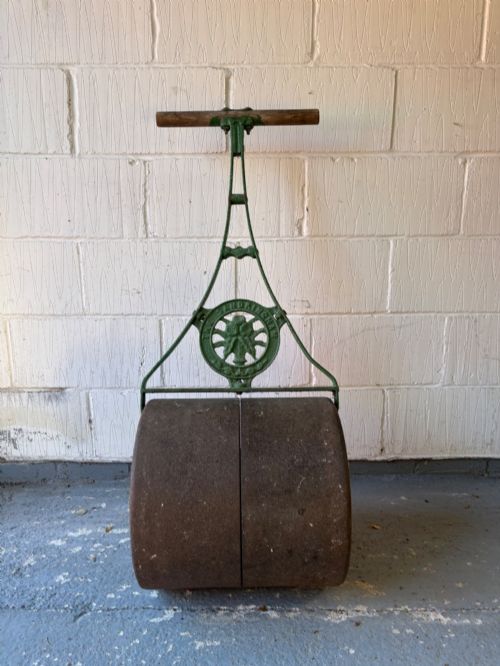
A nineteenth-century lawn roller demands a split drum to turn without tearing the turf.
What varies in quality
The refinement of the casting surface separates standard utilitarian ironwork from finer examples, where the original mould left cleaner lines and crisper detail without excessive pitting. Heavier weight and solid assembly indicate superior construction.
The integration of secondary materials, such as well-fitted brass mounts or precise bronze detailing, distinguishes pieces intended for finer domestic settings from purely industrial items.
Archibald Kenrick And Sons·Kibundo·Hodges And Sons
The Cast Iron Handles Glossary
- Cast Iron
- An iron-carbon alloy poured into moulds to create rigid, heavy objects. It forms the primary material for the handles and hardware seen across these listings.
- Campaign Secretaire
- A portable writing cabinet designed for travel, typically fitted with metal carrying handles and robust mounts. These pieces utilised sturdy iron hardware to withstand transport.
- Door Porter
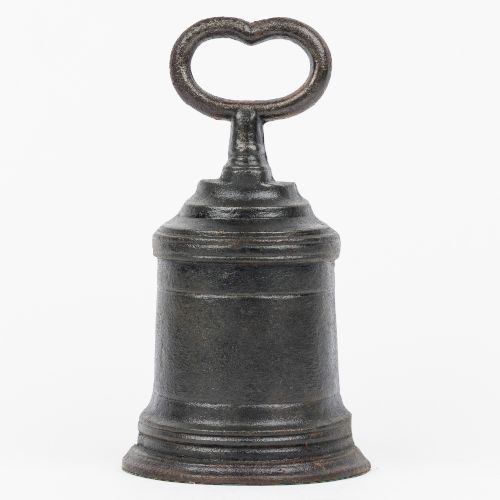
- A weighted stop designed to keep interior doors open, frequently incorporating a handle or grip for repositioning. Many examples utilise cast metal to achieve the necessary mass.
- Studio Easel
- A large standing frame used by artists to support canvases, often adjusted with mechanical handles. They frequently incorporate heavy iron fittings to manage substantial weight.
Cast Iron Handles: Frequently Asked Questions
What objects use these handles?
These handles appear on a variety of functional items, including heavy studio easels, door porters, and campaign secretaires. They were built to endure regular lifting and adjustment.
The selection reflects nineteenth-century and early twentieth-century manufacturing, where sturdy metal hardware was essential for heavy utility pieces.
How do I date these pieces?
Dating relies on the style of the object the handle is attached to, such as Victorian door stops or Georgian book presses. Material combinations like steel and brass also offer chronological clues.
Construction techniques visible in the foundry work help place items within periods spanning the nineteenth and early twentieth centuries.
Are these loose handles?
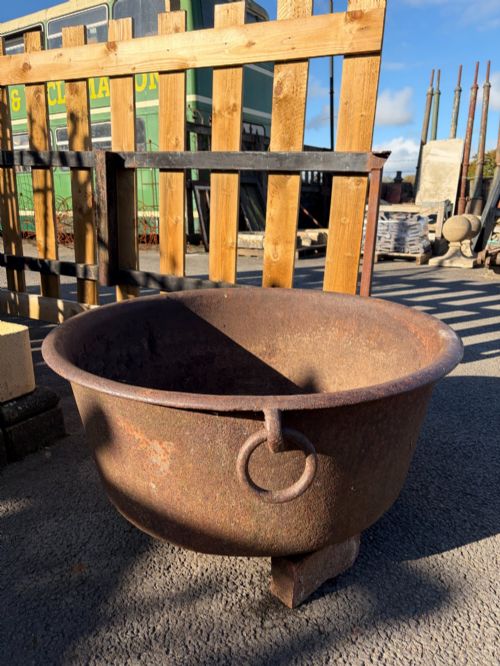
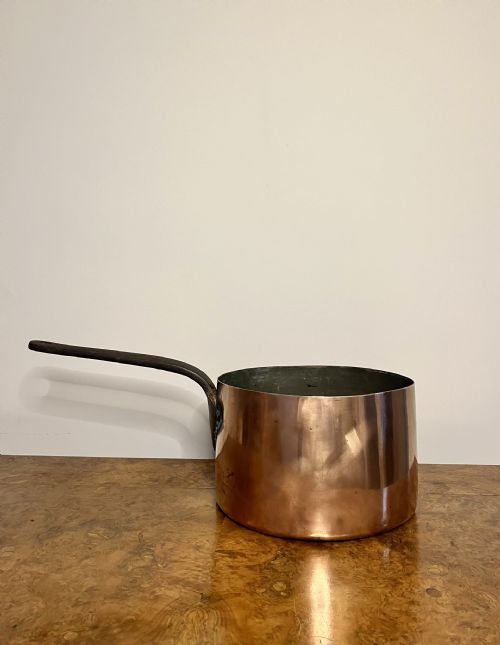
The listings generally feature handles attached to complete objects rather than loose hardware components. You encounter them as integral parts of furniture, cookware, and studio equipment.
This context shows the original application of the metalwork in everyday domestic and professional use.