







Cast Iron Fire Guard
A cast iron fire guard brings solid Victorian and Georgian metalwork to the hearth, offering sturdy protection alongside period character.
Cast Iron Fire Guard
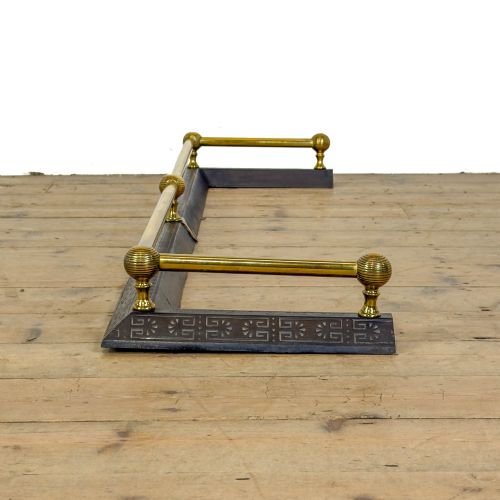
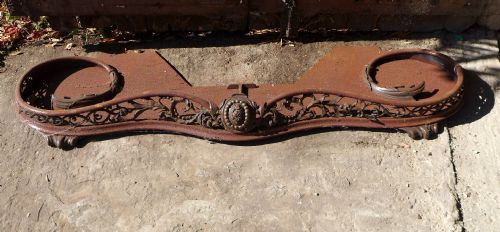
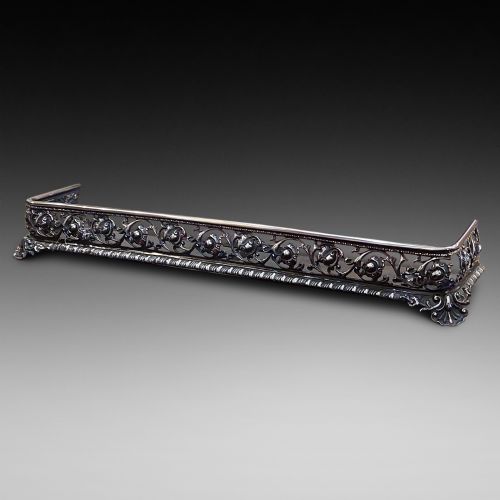
When you search for a cast iron fire guard, you are looking at practical hearth furniture designed to contain embers and sparks while anchoring the room's decorative scheme. The evidence shows these pieces appear primarily as fireplace fenders and screens spanning the Georgian, Victorian, and early twentieth century periods. You will most frequently meet heavy iron and steel fenders combining cast elements with brass or bronze details.
The selection on this page demonstrates how domestic hearths relied on metalwork of substantial weight and utility. Makers combined cast iron with wrought iron, steel mesh, and polished brass to balance heavy protection with decorative grace. These items range from simple nineteenth century guards to elaborate French Empire and Gothic Revival designs.
How they were made
The construction of these pieces relies on foundry casting combined with metal fabrication. Cast iron provided the heavy, durable core for fire backs and fender bases, while steel and wrought iron added structural strength where flexibility or fine lines were required.
Makers integrated polished brass, gilt-brass, and bronze components to accent the dark iron surfaces. Steel mesh and pierced iron plates completed the screens, allowing heat to radiate while stopping stray embers from reaching the floor.
Cast Iron Fire Guard Retail Price Guide 2026
Typical asking prices for cast iron fire guard among the pieces listed under this phrase on Sellingantiques today, from the lower quarter to the upper quarter. They describe what is for sale here now, not the wider market.
Listings combine cast iron with brass, steel, and bronze across Victorian, Georgian, and twentieth century periods.
What varies in quality
Quality in these pieces rests upon the crispness of the casting and the weight of the metal used. Superior examples display clean, deep relief work in the iron and tight joints where brass fittings meet the main body.
The refinement of the decorative style marks the distinction between standard utility items and high-status pieces. Finely chased gilt-brass mounts and sophisticated Gothic or Rococo detailing elevate the presence of the metalwork.
The Cast Iron Fire Guard Glossary
- Fender
- A low metal guard placed on the hearth in front of a fireplace to keep rolling coals and ash contained.
- Fire guard
- A protective screen or barrier positioned before an open fire to catch sparks and prevent accidents.
- Gilt-brass
- Brass coated with a thin layer of gold to give a rich, bright finish that resists tarnishing.
- Gothic Revival
- An architectural and decorative style drawing on medieval forms, frequently seen in pointed arches and heavy ironwork.
- Fire back
- A heavy cast iron plate placed against the back wall of a fireplace to reflect heat and protect the masonry.
Cast Iron Fire Guard: Frequently Asked Questions
What is a cast iron fire guard?
A cast iron fire guard is a heavy protective metal barrier designed to sit on the hearth and stop sparks from escaping the fire.
These pieces combine durable cast iron frames with materials like steel mesh, brass, and bronze to blend safety with period style.
How do I date a cast iron guard?
Dating involves looking at the manufacturing techniques, the weight of the metal, and the decorative style.
Georgian and Victorian examples often feature distinct stylistic cues like Gothic Revival motifs or French Rococo curves that mark their era of production.
How were these fire guards used?
They were positioned directly in front of open hearths to protect wooden floors and carpets from stray embers and flying sparks.
Beyond safety, adjustable and decorative fenders framed the hearth to give the fireplace a finished, orderly appearance.
What styles are common on this page?
The listings show a strong representation of Victorian, Georgian, and Gothic Revival designs alongside French Empire and Rococo influences.
These styles range from plain, utilitarian iron and steel fenders to elaborate pieces featuring gilt-brass and bronze mounts.