





Cast Iron Container
A cast iron container serves practical domestic needs with heavy resilience, offering enduring utility for umbrellas, sticks, and fuel.
Cast Iron Container
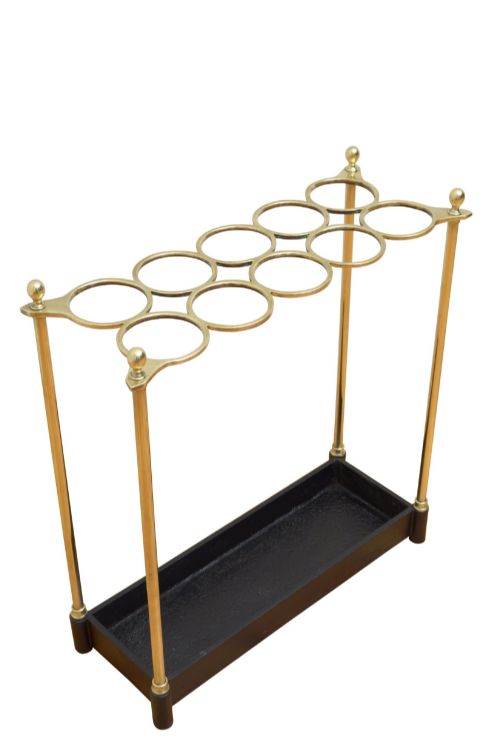
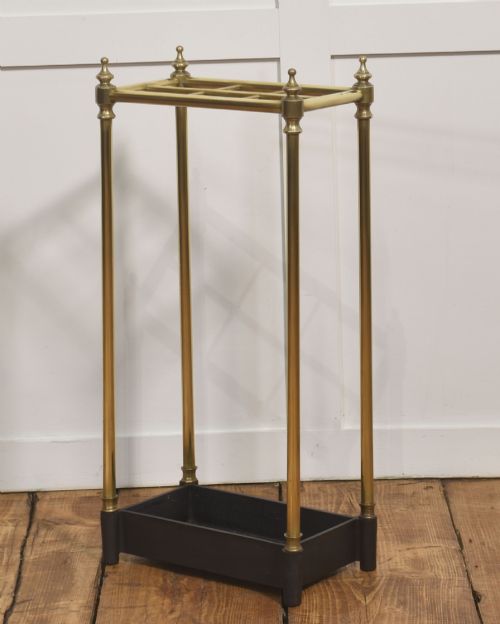
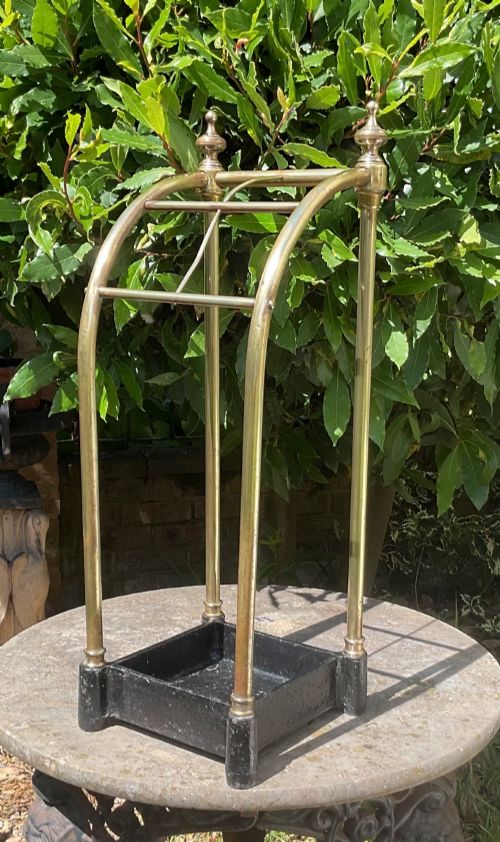
A cast iron container most frequently takes the form of an umbrella stand, stick stand, or coal scuttle designed for hallway and fireside use. These utility items combine heavy metal foundations with brass and painted metal elements, appearing across Victorian, Edwardian, and early twentieth-century periods.
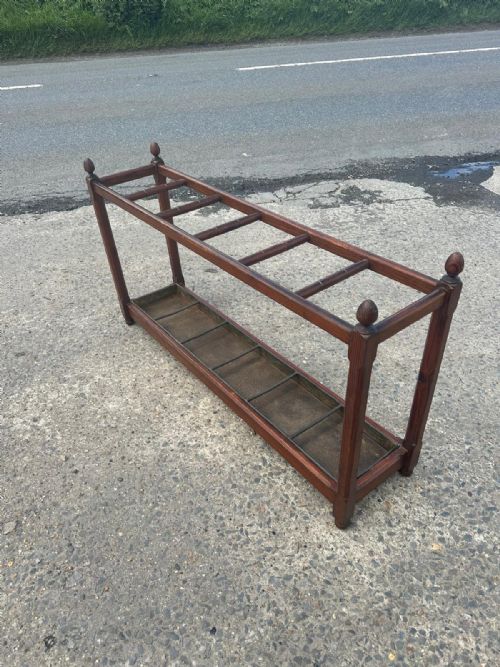
The pieces on this page heavily feature umbrella and stick stands alongside coal wagons and purdoniums. Domestic interiors of the nineteenth and early twentieth centuries relied on these sturdy vessels to manage wet weather gear and solid fuel.
Makers utilised resilient metals and pitch pine pairings to withstand daily domestic wear in country houses and town residences. The resulting forms range from demi-lune hall stands to blacksmith-made coal containers reflecting industrial utilitarian and Art Deco styles.
Materials and construction
Foundry work relied on pouring molten metal into sand moulds to create rigid bodies and decorative frames. Cast iron provided heavy stability at the base, preventing tipping when loaded with wet umbrellas or heavy walking sticks.
Makers combined cast iron with brass components, wrought iron bracing, and painted metal finishes to introduce contrast and decorative appeal. Pitch pine also appears in country house examples, integrating timber construction with metal hardware.
Cast Iron Container Retail Price Guide 2026
Typical asking prices for cast iron container among the pieces listed under this phrase on Sellingantiques today, from the lower quarter to the upper quarter. They describe what is for sale here now, not the wider market.
Even a humble coal wagon received the blacksmith's touch, turning a dusty fireside chore into a sturdy iron carriage.
Assessing quality and character
Quality rests on the crispness of the casting detail and the integrity of mixed-metal construction. Pieces featuring decorative ball finials and blacksmith-wrought detailing demonstrate higher attention to design than plain utilitarian versions.
The harmonious combination of materials determines desirability, particularly where brass fittings accent heavy iron frameworks. Surface patination and original painted finishes preserve the authentic historical character of each vessel.
The Cast Iron Container Glossary
- Demi-lune
- A half-moon shape designed to sit flush against a hallway wall. This profile saves floor space while accommodating umbrellas and sticks.
- Purdonium
- A household box or scuttle designed for holding coal near a fireplace. These containers often include a hinged lid and a shovel.
- Finial
- A decorative ornament fixed to the top of a post or structure. Ball finials commonly accent the corners of Victorian umbrella stands.
- Utilitarian
- Designed primarily for practical use rather than pure decoration. Industrial utilitarian objects prioritise durability over ornamentation.
Cast Iron Container: Frequently Asked Questions
What is a cast iron container?
A cast iron container is a heavy-duty domestic vessel created for practical storage in hallways or firesides. These items include umbrella stands, stick holders, and coal scuttles.
Foundries produced them to handle daily wear from wet weather gear and solid fuel. Their robust metal construction ensured stability and longevity in busy nineteenth and twentieth-century homes.
Where were these pieces used?
Hallways and entrance porches served as the primary locations for umbrella and stick stands. They caught dripping water and kept walking aids organised near the front door.
Coal boxes and wagons stood beside fireplaces in reception rooms and kitchens. Their enclosed designs kept solid fuel tidy and accessible.
How do I date a cast iron container?
Dating relies on stylistic clues, material combinations, and manufacturing techniques recorded across different periods. Victorian examples often feature ornate brass details, while Art Deco pieces show geometric influences.
Edwardian and 1930s designs frequently adopted cleaner lines and demi-lune profiles. Comparing the mix of cast iron, brass, and painted metal helps place an item in its historical context.
How do I care for cast iron?
Keeping metal containers dry prevents rust accumulation and preserves painted or patinated surfaces. Gentle dusting maintains the finish without stripping historical character.
Avoid harsh chemical cleaners that can damage original coatings on brass and iron. Regular, careful maintenance protects the structural integrity of these robust domestic objects.