

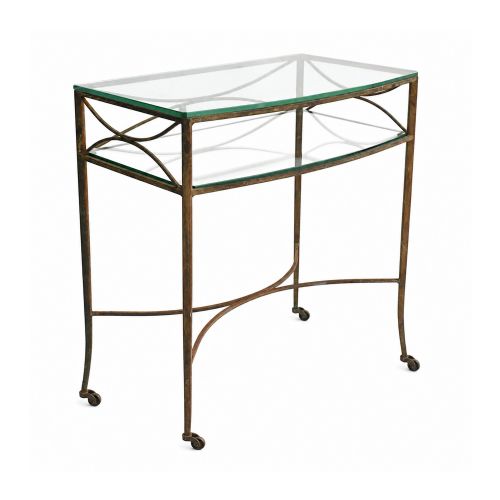


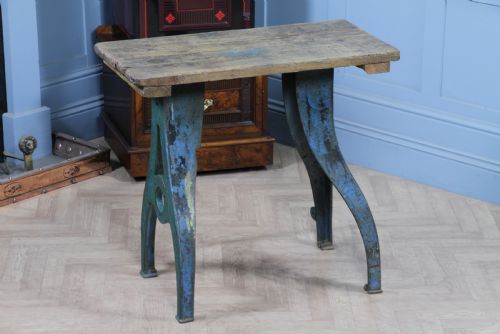
Cast Iron Console
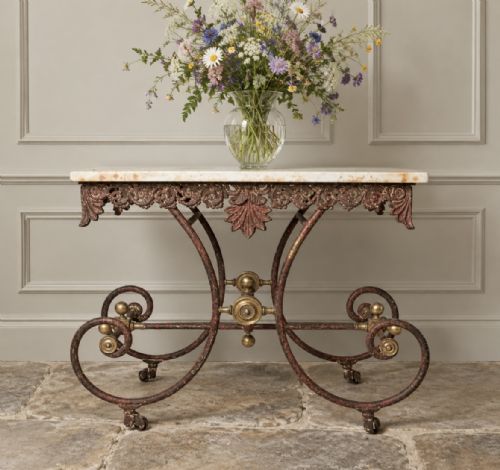
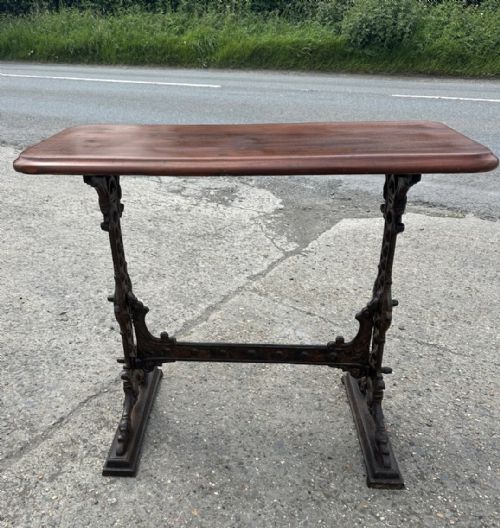
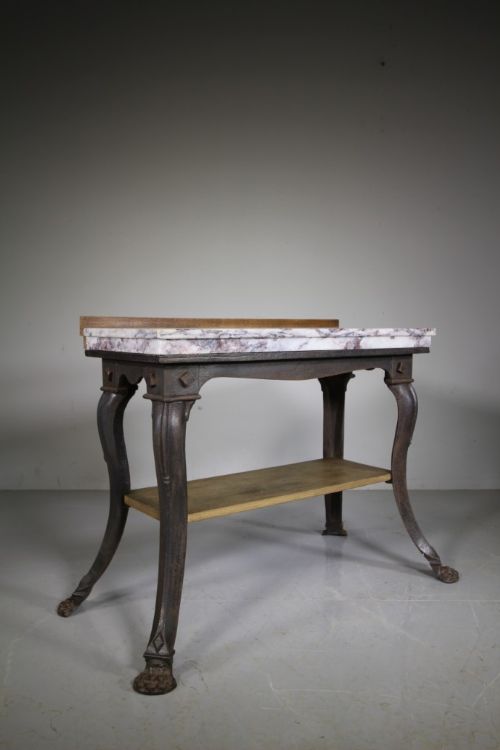
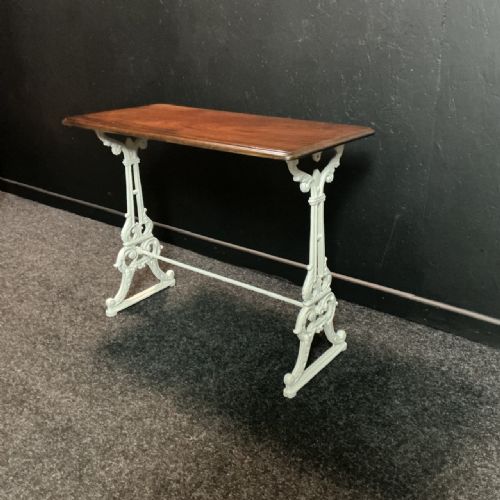
These cast iron console tables combine heavy metal bases with timber or marble tops for domestic and garden use.
Cast Iron Console
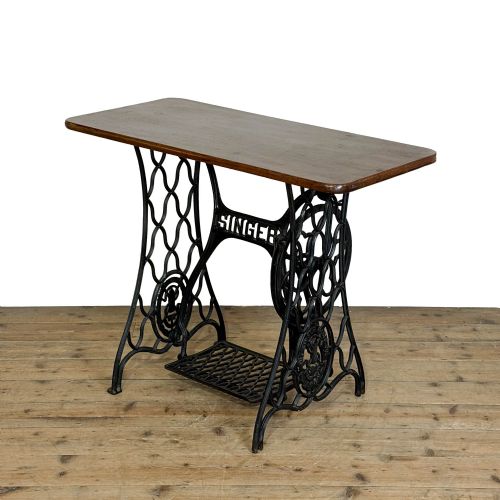
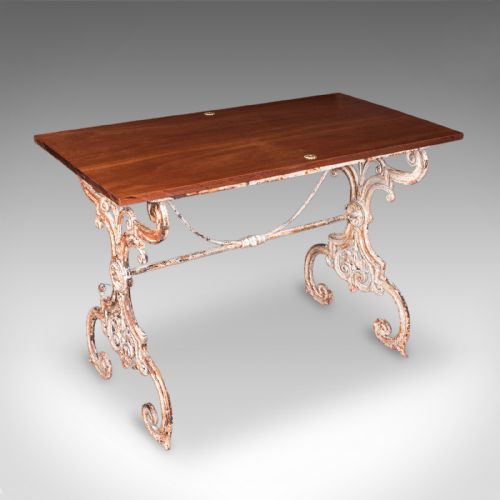
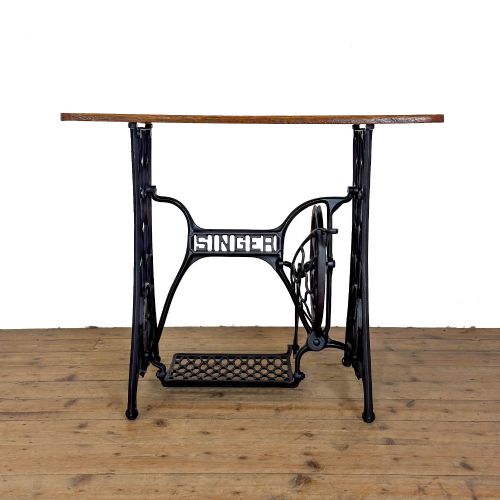
A cast iron console brings robust industrial structure into hallways, reception rooms and gardens, originating primarily from nineteenth century domestic, workshop and commercial contexts. When searching for a cast iron console, buyers encounter a diverse selection ranging from repurposed sewing machine bases to heavy marble-topped garden tables and pub furniture.
The domestic and commercial origins of these pieces span the Victorian and Edwardian periods, encompassing styles from French provincial workbenches to industrial Victorian pub tables. Many examples incorporate wooden or stone surfaces paired with cast metal frames, fulfilling roles from hall tables to conservatory furniture.
Materials and construction
Foundries produced the heavy metal framework using cast iron, occasionally complemented by wrought iron or steel supports, providing a rigid foundation for various table tops. Carpenters and joiners fitted these metal bases with timber surfaces including oak, pine, mahogany and walnut, while stonemasons supplied marble slabs for specialised utility.
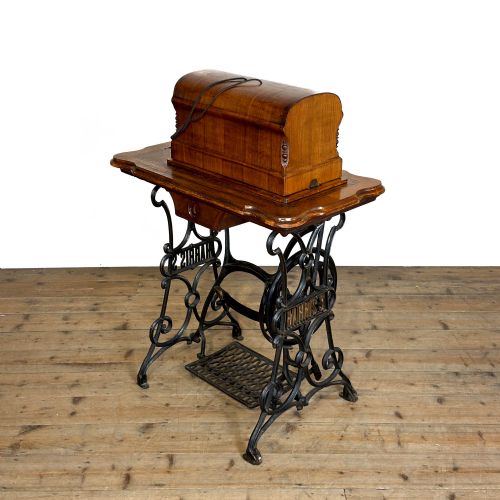
Many utilitarian items such as sewing machine bases and workbenches found new life through up-cycling, retaining original mechanical components like vices or treadles alongside replacement reclaimed timber boards.
Cast Iron Console Retail Price Guide 2026
Typical asking prices for cast iron console among the pieces listed under this phrase on Sellingantiques today, from the lower quarter to the upper quarter. They describe what is for sale here now, not the wider market.
Several tables retain authentic sewing machine treadles and workshop vices, ready for action should your darning or woodworking ambitions suddenly revive.
Assessing the pieces
The integration between the heavy metal base and the fitted top dictates the overall harmony of the piece, with purpose-built frames offering superior proportion compared to later adaptations. Original surfaces, whether veined marble or patinated timber, retain greater character than replaced boards.
Foundry cast quality manifests in the crispness of the moulded decoration on the iron legs and pedestals, distinguishing standard utilitarian hardware from more ornate Victorian conservatory designs.
The Cast Iron Console Glossary
- Console table
- A table designed to stand against a wall, frequently secured or supported by brackets and legs. These pieces suit narrow spaces such as hallways and corridors.
- Marble top
- A polished stone surface fitted to a table base, offering a cool, durable working area. Such surfaces appear frequently on French patisserie and garden tables.
- Industrial base
- A metal framework originating from factories, workshops or commercial machinery. These robust supports form the foundation for many up-cycled tables.
- Conservatory table
- A light or weather-resistant table intended for glasshouses and sunrooms. Victorian examples often feature decorative cast iron legs paired with timber tops.
- Up-cycled
- A piece created by adapting an existing object, such as a sewing machine or mangle base, for a new domestic function. This process unites historic industrial hardware with reclaimed timber.
Cast Iron Console: Frequently Asked Questions
How do I use a cast iron console in a hallway?
These narrow tables fit flush against entrance walls, providing a stable surface for keys, post and decorative objects without obstructing passage.
The sturdy metal frames ensure stability on hard flooring while the compact depth suits transitional spaces in both period and modern homes.
Can these console tables stay outside?
Many iterations originate as garden or conservatory tables, incorporating cast iron and marble elements that withstand outdoor conditions when sheltered.
Wooden tops require regular maintenance if exposed to damp weather, whereas stone and metal components endure garden environments with minimal care.
What is the difference between a pub table and a console?
Pub tables generally provide a freestanding, four-legged or pedestal support designed for communal seating, whereas consoles feature a shallow profile intended for wall placement.
Despite these structural distinctions, many industrial bases adapt easily between both roles depending on their original workshop or commercial context.
How do I identify a Victorian iron base?
Victorian cast iron often displays maker lettering, registration marks, or intricate moulded floral and geometric patterns directly into the metal frame.
The weight, surface texture and depth of the casting sand impart an authentic tactile quality absent in modern reproductions.