

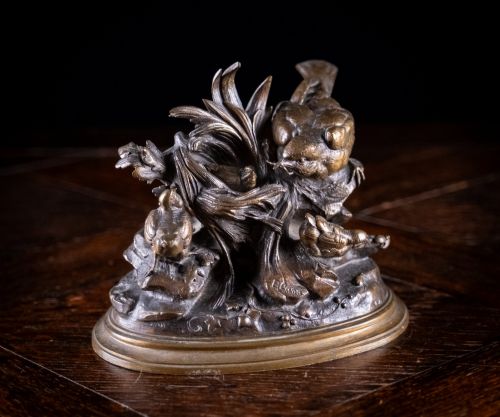
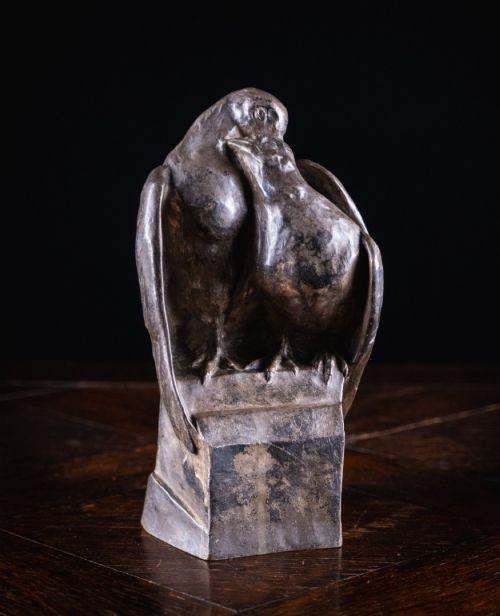
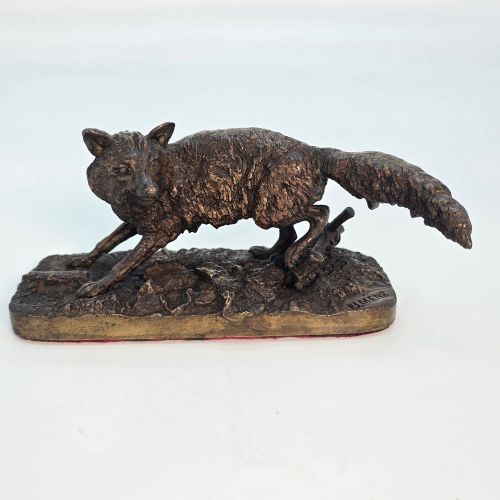
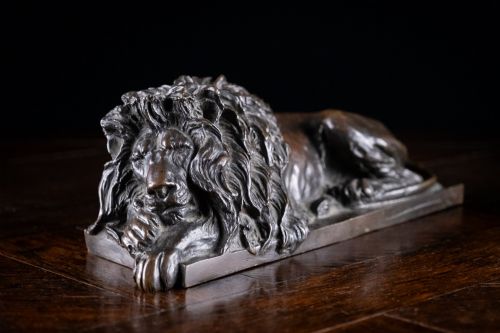
Cast Bronze Animal Statues
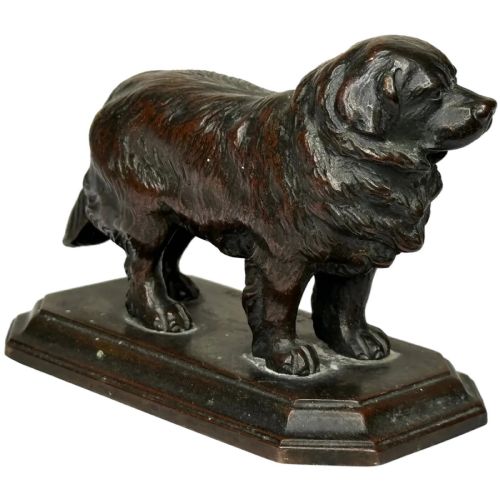
Cast bronze animal statues bring naturalistic energy indoors, capturing creatures from domestic hounds to formidable wild beasts in enduring metal.
Cast Bronze Animal Statues
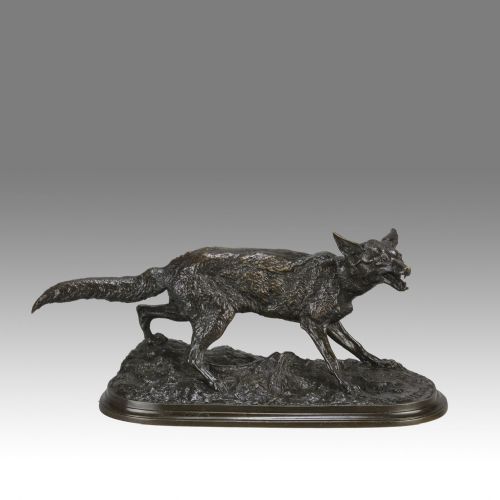
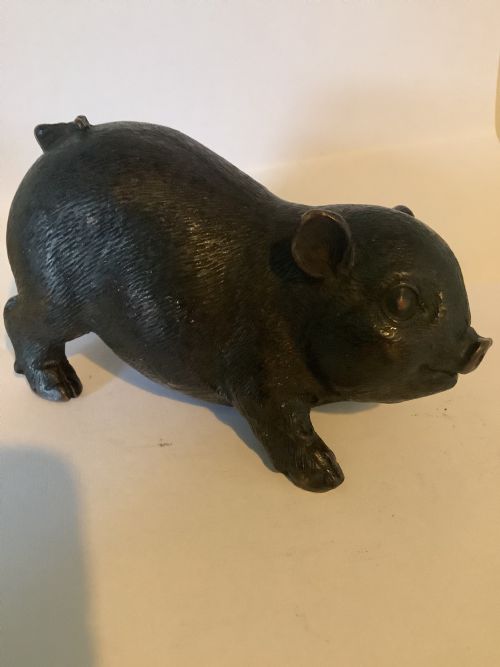
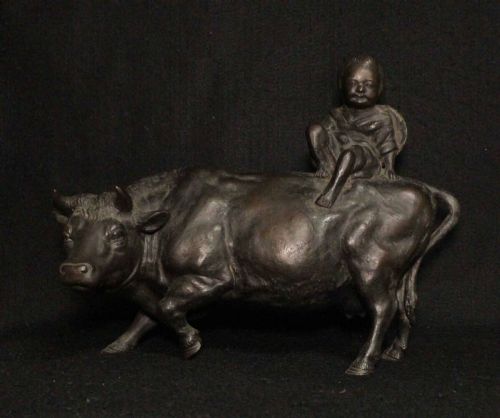
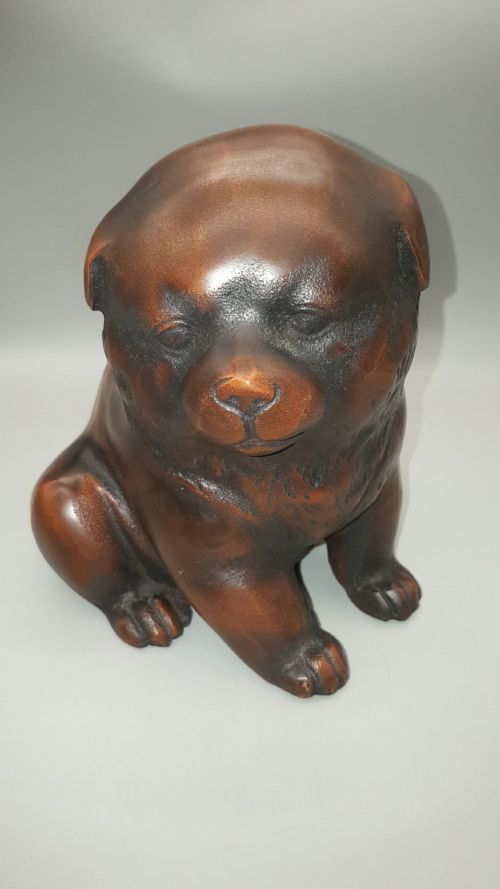
Cast bronze animal statues represent a broad spectrum of sculptural traditions, spanning European animalier realism and Japanese Meiji period okimono. These works range from small tabletop paperweights and desk ornaments to monumental garden fountain spouts and life-size figures.
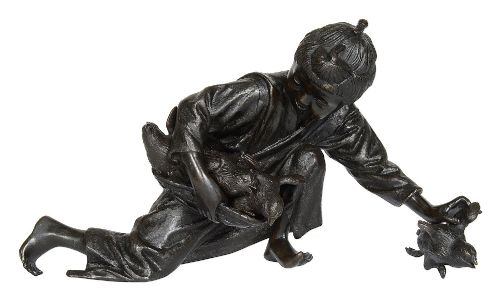
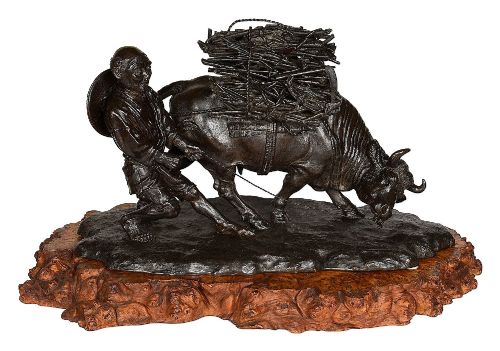
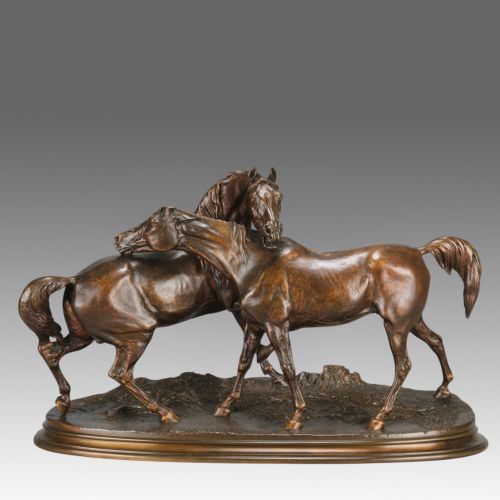
The pieces on this page originate predominantly from the nineteenth and early twentieth centuries. European examples often depict sporting dogs, big cats, and horses, while Japanese works frequently portray elephants, bears, and rural scenes with domestic animals.
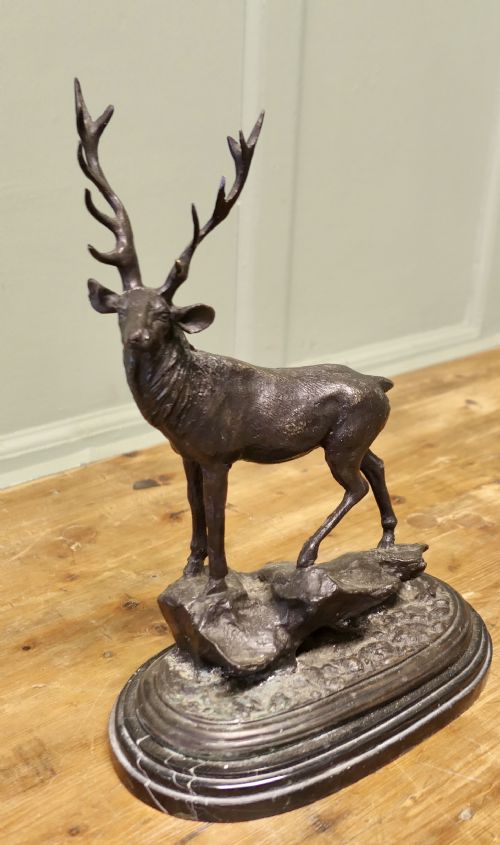
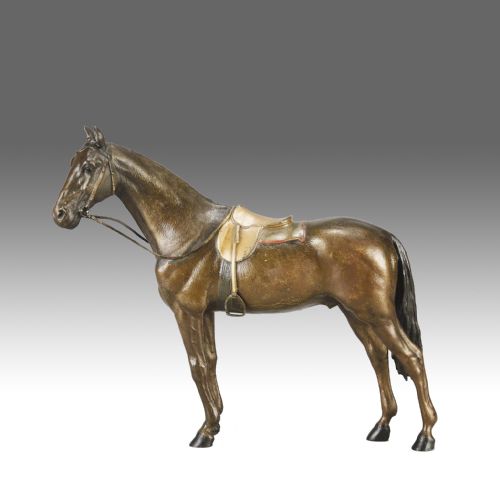
Forms vary from naturalistic wildlife studies to decorative sculptures set upon marble plinths. Buyers encounter everything from cold-painted Austrian novelties to signed French foundry casts.
Materials and Casting
Foundries produced these sculptures primarily through the lost-wax method or sand casting, allowing for intricate detail in muscle, fur, and plumage. Molten bronze was poured into moulds and subsequently finished by hand with chisels and files.
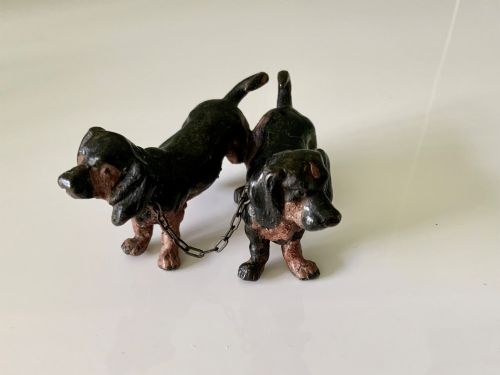
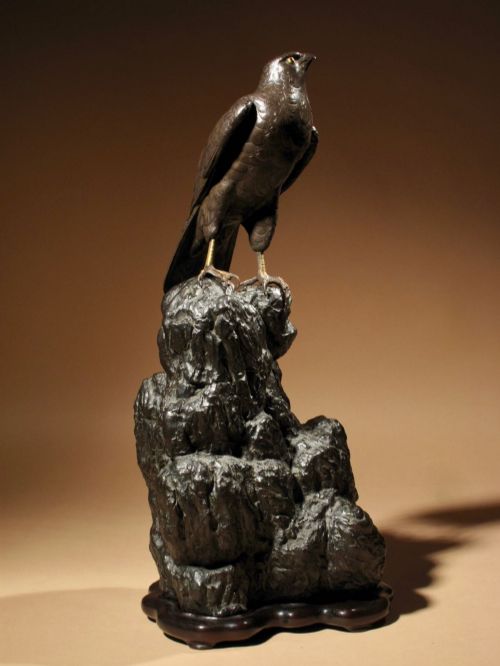
Many European and Austrian pieces utilise cold-painted finishes, where non-firing pigments were applied over the metal surface. Accents of ivory and paint frequently appear on Japanese Meiji period examples, mounted on naturalistic bases or burr wood supports.
Cast Bronze Animal Statues Retail Price Guide 2026
Typical asking prices for cast bronze animal statues among the pieces listed under this phrase on Sellingantiques today, from the lower quarter to the upper quarter. They describe what is for sale here now, not the wider market.
Listings feature 19th-century and early 20th-century works in bronze, marble, ivory, and wood.
The Measure of Quality
Quality rests in the fidelity of the casting and the crispness of the chasing, which determines how sharply fur, feather, and musculature are defined after the metal leaves the mould. Superior works retain deep anatomical precision rather than smooth, generalised surfaces.
The integrity of the patina and the subtlety of polychrome paint application distinguish finer examples from standard commercial productions. Signed foundry casts by established modellers command particular attention for their artistic execution.
P J Mêne·Christophe Fratin·Antoine L Barye·Franz Bergman·Alfred Barye·Alfred Dubucand·Isadore Bonheur
The Cast Bronze Animal Statues Glossary
- Animalier
- A nineteenth-century sculptural movement focused on the realistic depiction of animals. Practitioners studied subjects closely in menageries and natural history museums.
- Cold-painted bronze
- A technique where bronze sculptures are painted with cold enamel colours rather than fired in a kiln. This method is particularly associated with Austrian workshops.
- Okimono
- A Japanese term for a decorative object intended for display on a shelf or in a tokonoma alcove. These sculptures often depict animals or genre scenes with high naturalistic detail.
- Patina
- The chemical or natural surface coloration developed on bronze over time or applied intentionally by the founder. It protects the metal and enhances visual depth.
- Cire perdue
- The lost-wax casting process used to create intricate metal sculptures. A wax model is melted out of a mould to create a cavity for the molten bronze.
Cast Bronze Animal Statues: Frequently Asked Questions
What is an animalier bronze?
An animalier bronze is a nineteenth-century sculpture focused specifically on the anatomy and movement of animals. These works capture creatures in dynamic poses, from resting hounds to charging bulls.
The movement gained prominence in France, where sculptors observed living specimens in menageries to achieve authentic postures and expressions.
How do I care for cold-painted bronze?
Cold-painted bronze requires gentle dusting with a soft, dry cloth to protect the delicate enamel pigments. Moisture and chemical cleaners must be avoided entirely.
Keep these pieces out of direct sunlight to prevent the colours from fading over the decades.
What is a Japanese okimono?
An okimono is a traditional Japanese decorative carving or casting meant for display inside a home. These figures often portray animals, wildlife, or daily life with remarkable precision.
Meiji period examples frequently incorporate realistic textures and occasional contrasting materials like ivory or dark patination.
How can I tell if a bronze is old?
Age is typically indicated by the depth of the patina, the quality of the hand-chasing, and the wear patterns on the underside of the base. Construction methods, such as older casting seams and fixing screws, also offer clues.
Examining the signature style and foundry marks helps contextualise the period of production.