


Cast Brass Pendant Light
A cast brass pendant light brings weight and rich metallic warmth to a room, drawing the eye upward with its solid construction.
Cast Brass Pendant Light
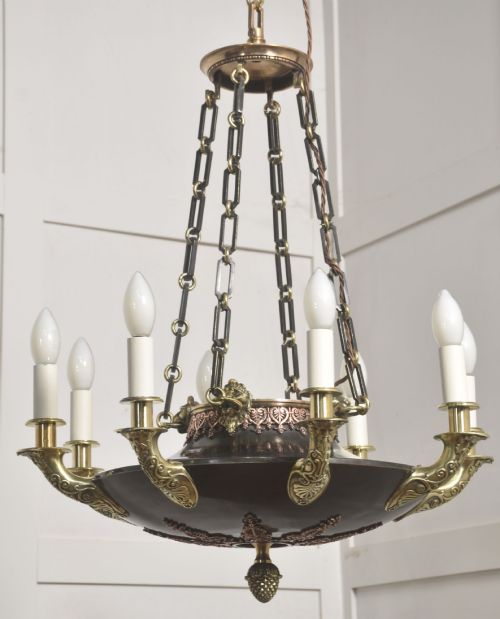
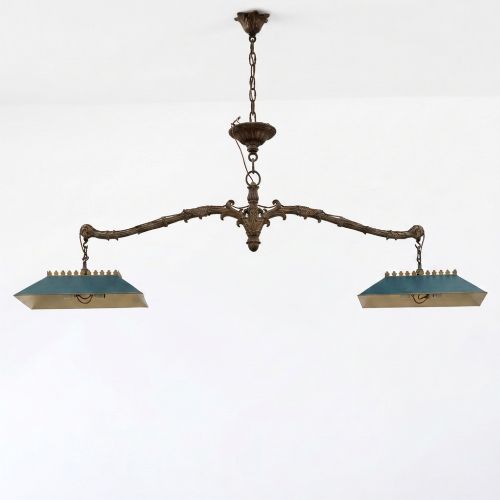
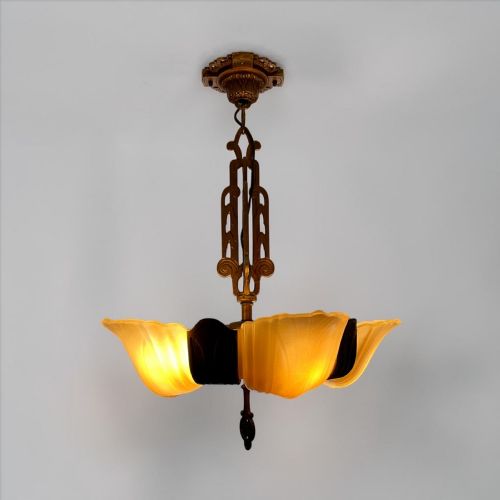
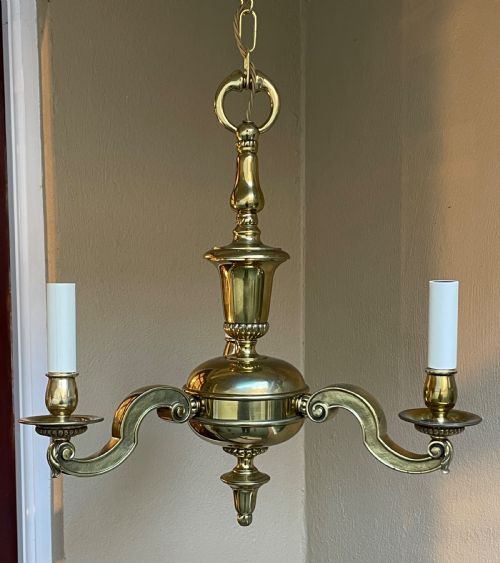
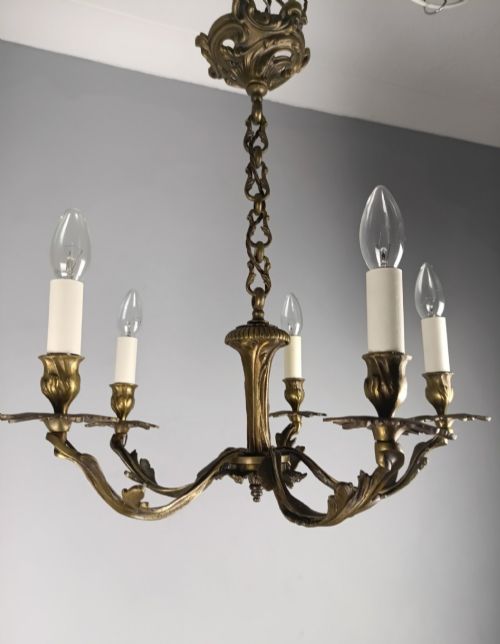
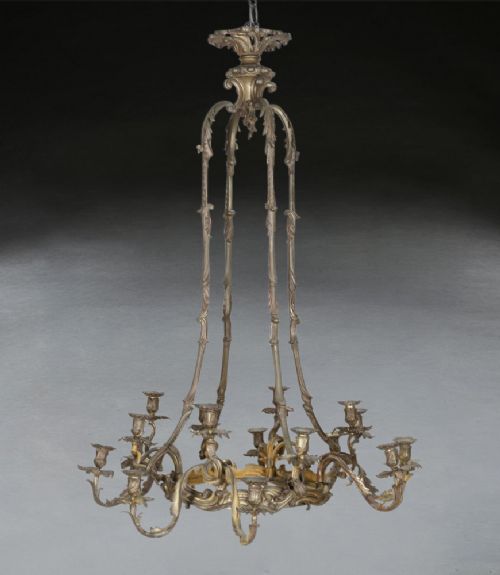
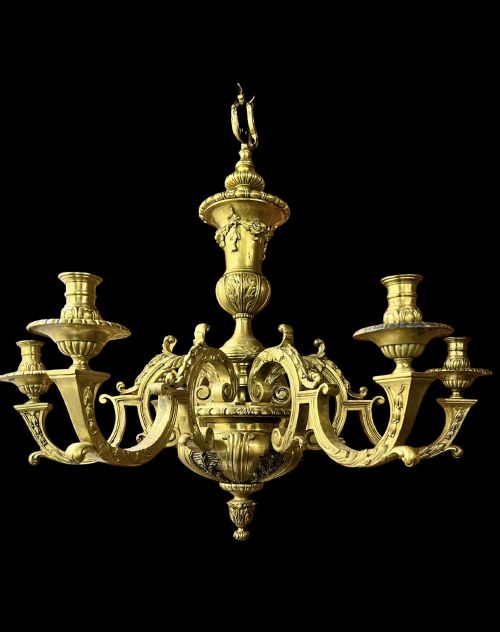
When you search for a cast brass pendant light, you enter a field dominated by substantial ceiling fixtures designed to illuminate rooms from above. The selections here span hanging lanterns, multi-branch chandeliers, and ceiling roses, originating from periods between the nineteenth century and the nineteen-thirties.
The most frequent examples you encounter combine heavy cast brass or bronze frames with glass elements, often drawing on French styles like Louis XVI, Empire Revival, and Rococo. These pieces range from intimate hall lanterns to multi-light chandeliers boasting up to twenty-four branches.
Makers of these fixtures often employed distinct decorative elements such as acanthus leaf mounts, slip shades, and cut glass panels. Whether formed as a simple Victorian ceiling rose or an elaborate Edwardian hanging light, each fixture reflects the lighting requirements and decorative tastes of its era.
How they were made
The creation of these fixtures relied primarily on metal casting techniques using brass and bronze, which allowed artisans to produce intricate relief patterns and sturdy structural frames. Molten metal was poured into moulds to form heavy components such as branches, galleries, and ceiling mounts.
Many designs incorporated secondary materials like glass, including frosted, cut, and slip shade varieties, to diffuse the light emitted by the bulbs or candles. Gilt bronze and ormolu finishes were frequently applied to the cast metal surfaces to enhance their decorative appeal and provide a lustrous golden sheen.
The object forms recorded in the archive and current listings range from multi-branch chandeliers and hanging lanterns to decorative ceiling roses.
What varies in quality
The distinction between standard examples and the finest pieces lies in the crispness of the casting and the depth of the chased detail. Heavier fixtures with sharply defined ornamentation, such as deep acanthus leaves or intricate scrollwork, represent a higher grade of craftsmanship.
Material composition and surface finishing also dictate the quality tier, with genuine gilt bronze or heavy cast brass retaining a superior finish compared to lighter base metals. The integration of high-grade cut and frosted glass elements further elevates a piece within its category.
The Cast Brass Pendant Light Glossary
- Cast Brass
- Metal formed by pouring molten alloy into a mould, creating sturdy and richly detailed components for lighting fixtures. This technique allows for complex three-dimensional ornamentation.
- Acanthus Leaf
- A classic ornamental motif modelled after the Mediterranean plant of the same name, frequently found on the mounts of cast brass chandeliers. It provides a classical decorative flourish to structural joints.
- Ormolu
- Finely ground high-carat gold mercury-gilded to a bronze object, giving it a bright and durable golden appearance. This finish is characteristic of high-status French decorative pieces.
- Ceiling Rose
- A circular decorative moulding fixed to the ceiling from which a pendant light or chandelier is suspended. Victorian examples in cast brass match the metalwork of the hanging fixture.
- Slip Shade
- A type of glass shade that slips into the frame of a ceiling light rather than being screwed in place. These shades are typical of Art Deco lighting design.
Cast Brass Pendant Light: Frequently Asked Questions
How do I hang a heavy brass chandelier safely?
Hanging a heavy cast brass fixture requires anchoring directly into the ceiling joist or using a heavy-duty metal support box capable of bearing the total weight of the bronze and glass components.
Because antique fixtures often weigh considerably more than modern light fittings, consulting a professional electrician ensures the structural integrity and safety of the installation.
Can these antique lights be rewired for modern use?
Most antique fixtures can be successfully rewired to accommodate current electrical standards without altering their external historic appearance. Rewiring typically involves running modern insulated flex through the existing brass channels and arms.
An experienced restorer can preserve the original lamp holders or fit modern equivalents that accept standard bulbs safely while maintaining the period character.
How do I clean cast brass without damaging the finish?
Cleaning cast brass requires a soft, dry cloth to remove surface dust without disturbing the aged patina that accumulates over decades. Avoid harsh chemical cleaners or abrasive metal polishes, which can strip away original gilding or darkening.
If the metal requires washing, use warm water with a mild soap, then dry the fixture immediately to prevent water spots on the brass and glass surfaces.