






Cast Brass Knocker
These cast brass knocker examples bring solid period weight to an entrance, offering heavy Victorian character and classic brass construction.
What these pieces are
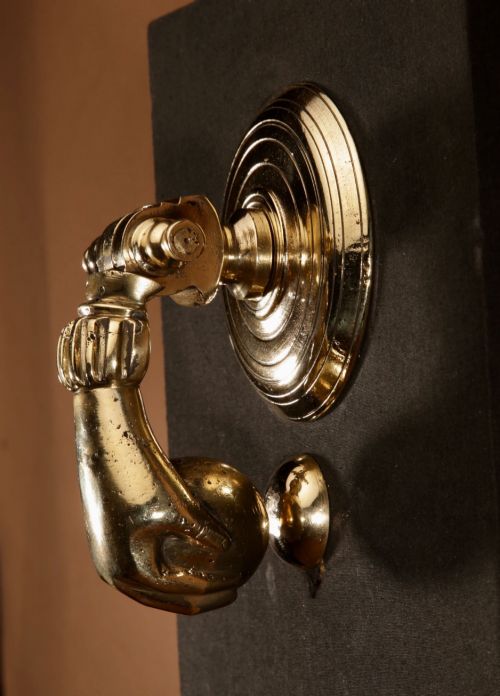
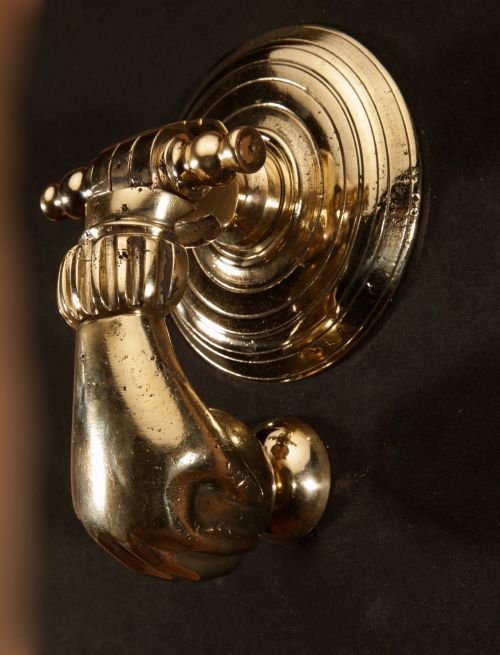
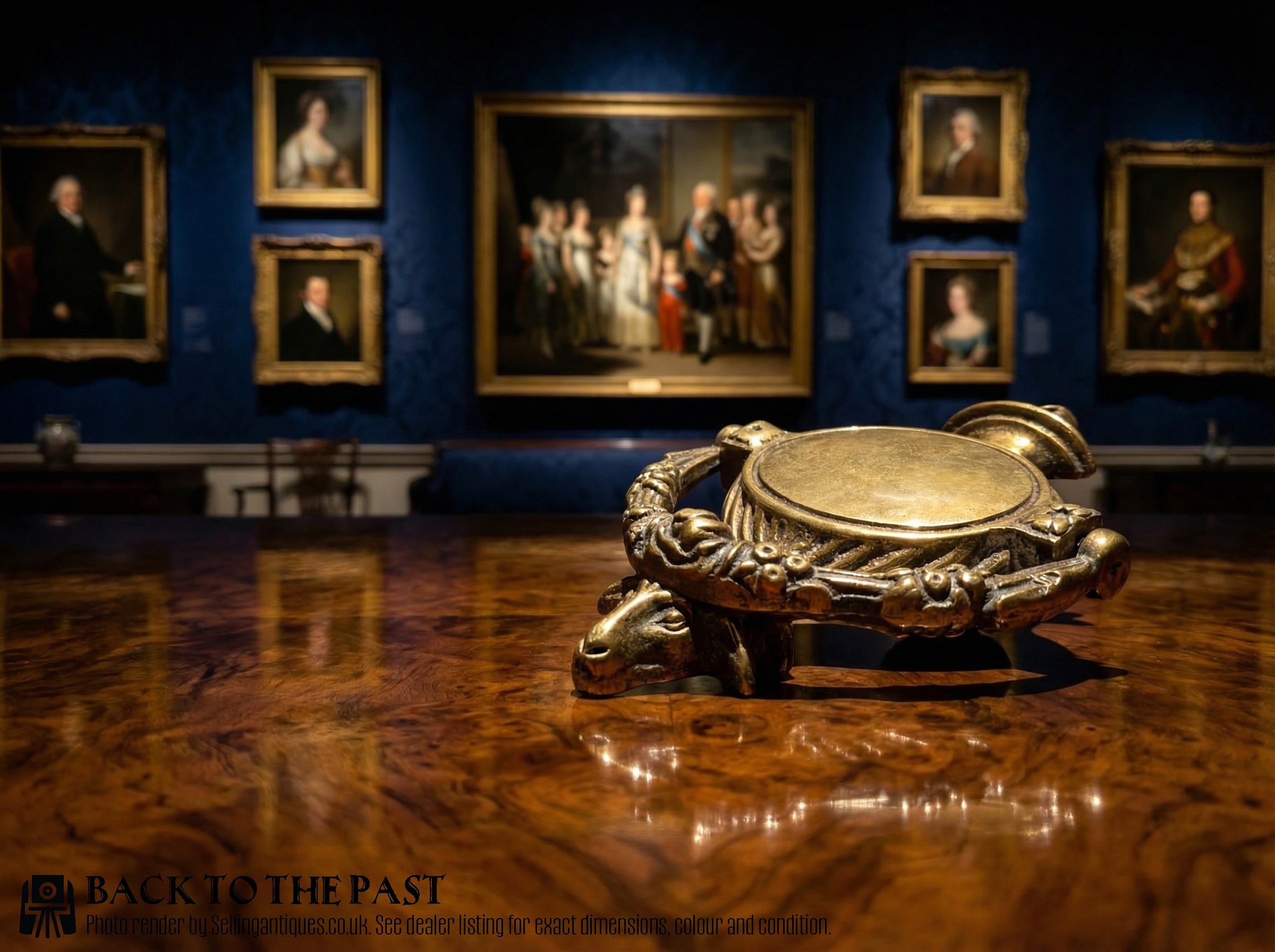
A cast brass knocker is a functional item of door hardware designed to announce visitors through a hinged striking mechanism. The examples available here span the nineteenth century and the broader Victorian period, bringing heavy metalwork to residential front doors.
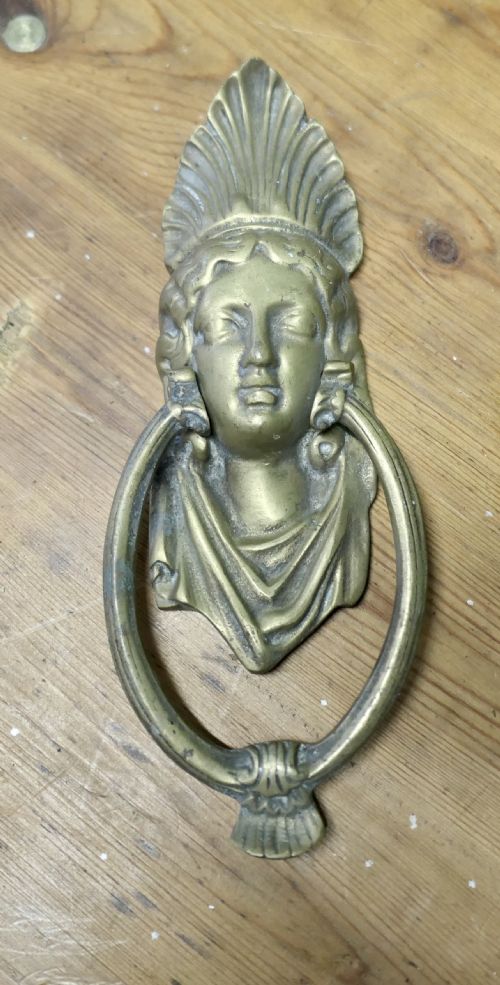
Most pieces on this page belong to the Victorian era, utilising traditional casting methods to shape durable brass into distinct sculptural forms. Buyers encounter specific figurative designs including caryatids, lions, elves, and dolphins.
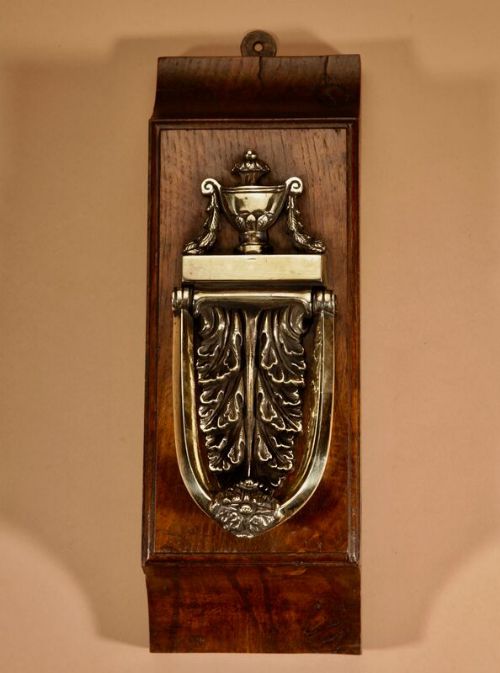
Makers drew upon classical and Gothic vocabulary to shape these items, producing hardware that sits between utility and ornament. Neoclassical influences appear alongside distinct animal and mythical motifs.

How they were made
Craftsmen utilised traditional casting techniques to shape molten brass into dense architectural hardware. The metal provides a durable foundation capable of withstanding constant daily use.
Retail Price Guide 2026
Typical UK retail prices for cast brass knocker, calculated from the Sellingantiques database of over a million retail prices indexed since 2003. This retail price guide relies exclusively on Sellingantiques data; no external sources or auction records are used, so the figures do not describe the wider market.
Current listings feature nineteenth-century and Victorian items made entirely from cast brass.
What varies in quality
The choice of subject matter and the integration of matching striking plates separate standard hardware from more ambitious sculptural pieces. Heavier cast sections and thoughtful articulation dictate how well the knocker performs its function.
The Cast Brass Knocker Glossary
- Cast brass
- An alloy of copper and zinc poured into a mould to form solid hardware. This material gives nineteenth-century knockers their substantial weight and natural surface ageing.
- Striking plate
- The metal plate mounted on the door face where the knocker hammer lands. It protects the timber from repeated impacts.
- Caryatid
- A sculpted female figure serving as an architectural support. In door hardware, it forms the vertical body of the knocker.
- Lion mask
- A decorative motif depicting the face of a lion. It serves as the traditional anchor point for the swinging ring or hammer.
Frequently Asked Questions
How do I install a brass knocker?
Most pieces mount directly through the door using standard threaded fixings positioned behind the main body. Care must be taken to align the striking plate so the hammer hits squarely.
Ensure the timber behind the door can support the weight of solid cast brass hardware before drilling fixing holes.
What periods do these knockers represent?
The available pieces originate primarily from the nineteenth century and the Victorian era. Design influences span classical, Gothic, and neoclassical styles.
Makers frequently drew upon animal and mythological subjects during these decades to ornament standard household hardware.
How should I clean antique brass?
Regular dusting with a soft cloth preserves the existing surface and prevents dirt buildup in recessed areas. Avoid harsh abrasive cleaners that strip away the historic patination.
Many collectors prefer to leave the natural oxidation undisturbed to maintain the authentic age of the metal.
Do all knockers include striking plates?
Certain examples come equipped with a matching striking plate designed to mount underneath the hammer point. This protects the front door from denting over years of use.
Individual listings specify whether a separate striking plate accompanies the main knocker assembly.