

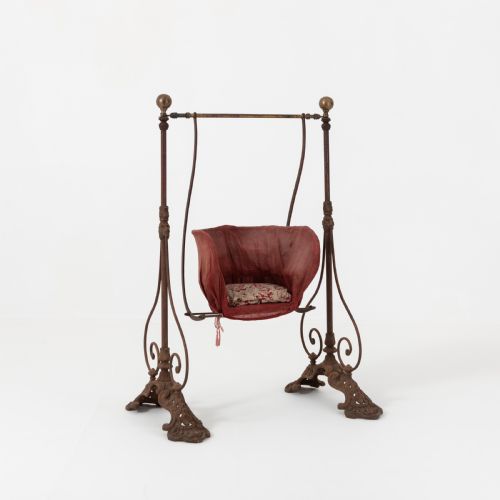

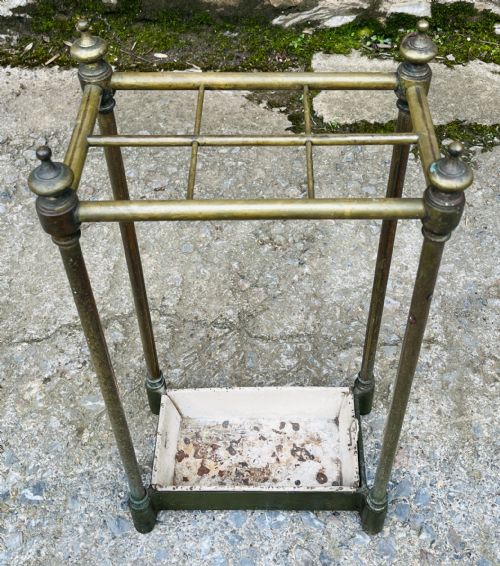


Cast Brass Furniture
Cast brass furniture forms a substantial part of domestic hardware and fittings from the nineteenth century onward.
Cast Brass Furniture
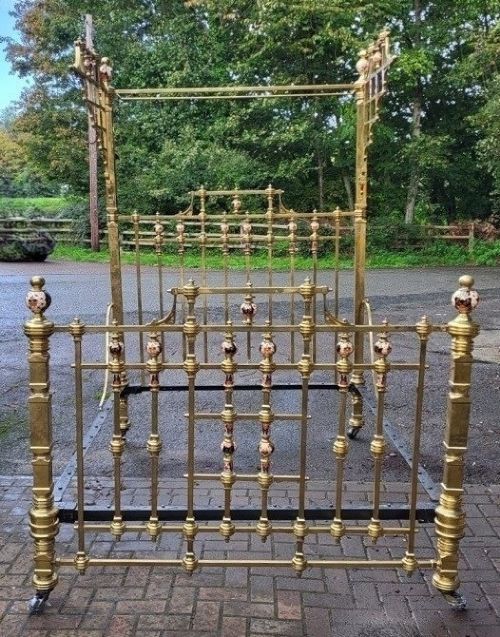
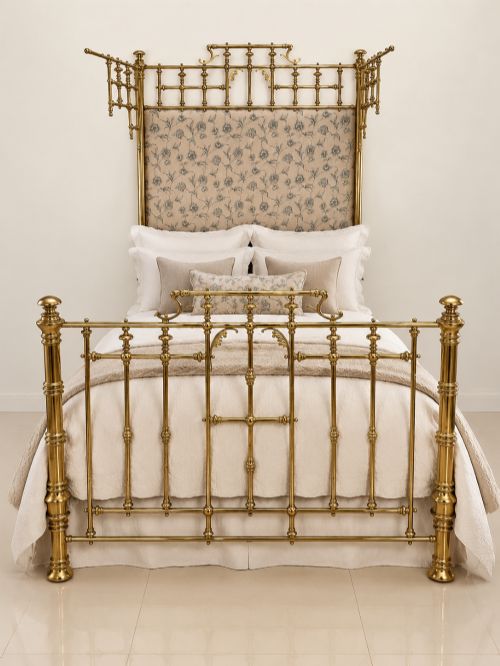
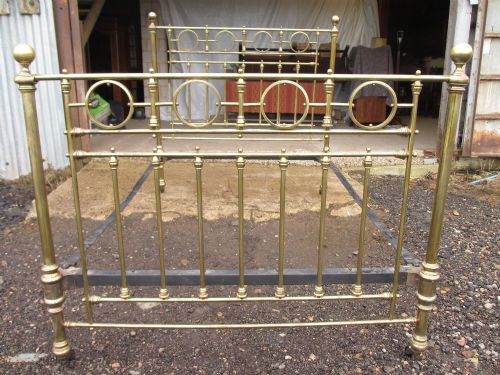
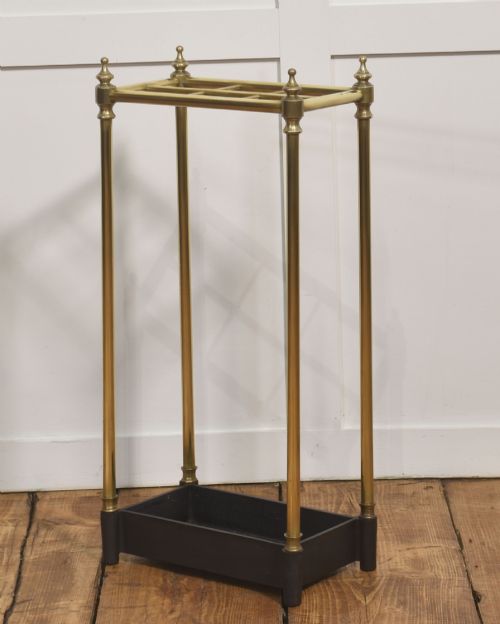
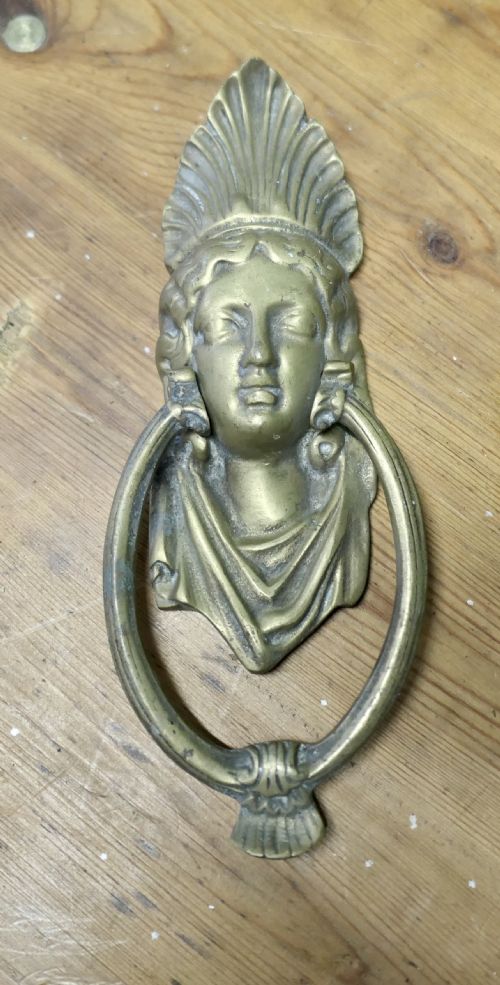
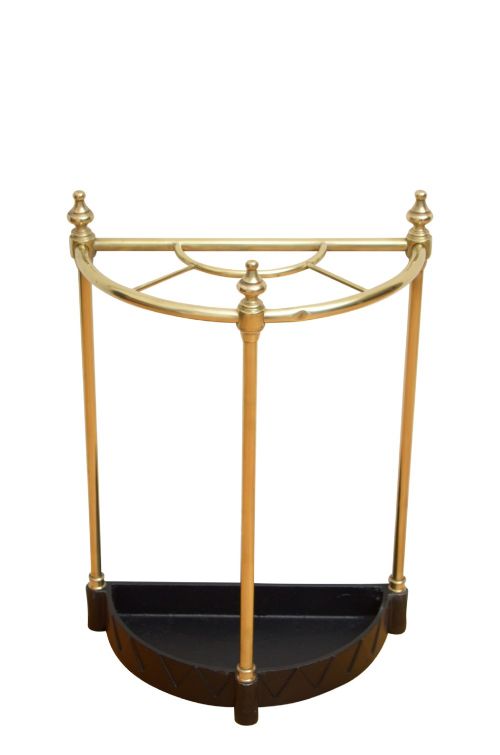
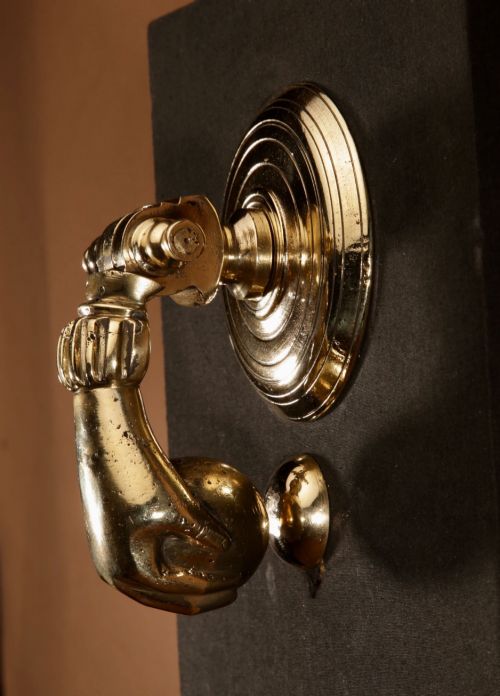
When you search for cast brass furniture, you encounter practical metalwork and decorative fittings designed for domestic interiors during the Victorian and Edwardian eras. The selections range from structural items like half tester bedsteads and umbrella stands to smaller architectural elements such as door knockers, handles, hinges, and furniture mounts.
The objects span multiple stylistic revivals, drawing on Neoclassical, Georgian, Regency, Gothic Revival, and Arts and Crafts design principles. Larger items frequently combine solid brass and cast iron frameworks, while smaller pieces utilise bronze and cast brass components intended for heavy daily use.
How they were made
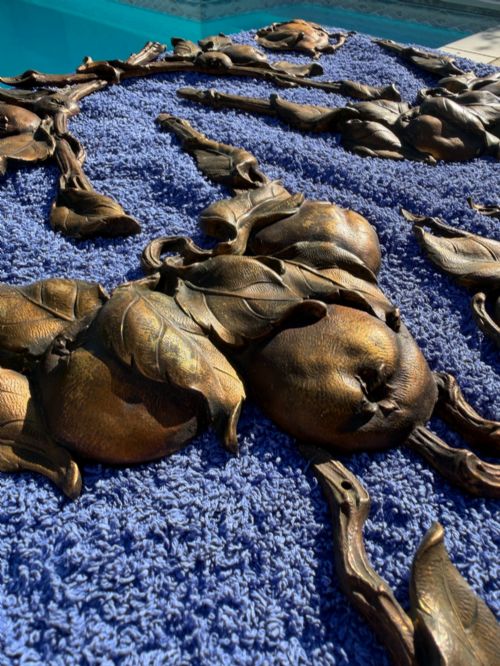
These items rely primarily on molten metal poured into moulds to achieve intricate relief work, sharp lettering, and robust structural forms. Workers combined cast brass with wrought iron, bronze, and solid timber components such as oak and teak, securing them with traditional mechanical fasteners.
Surface finishing involved hand-polishing, chasing, and occasionally applying protective lacquers or gilding to enhance the natural warmth of the metal. Heavier functional pieces incorporated lead crystal inserts or ceramic details alongside the primary brass structure.
Listings feature Victorian, Edwardian, and Georgian periods alongside materials including cast brass, solid brass, bronze, cast iron, oak, and ceramic.
What varies in quality
The distinction between standard utility items and exceptional examples lies in the crispness of the casting and the depth of the chased detail. Superior pieces exhibit well-defined motifs, clean edges, and substantial weight, whereas lower-tier examples show softer contours and simpler surface finishing.
Design ambition also separates the ordinary from the remarkable, with exhibition-quality furniture displaying complex proportion, harmonious proportions across mixed materials like oak and brass, and sophisticated stylistic references.
Poix Blin·Shoolbred·Maple and Co·Daniel Cottier
The Cast Brass Furniture Glossary
- Half tester bedstead
- A bed featuring a partial canopy or tester projecting from the headboard, often supported by heavy brass or iron pillars.
- Applique
- An ornamental metal plaque or fitting applied to the surface of furniture or architectural woodwork for decoration.
- Caryatid
- A sculpted female figure serving as an architectural support taking the place of a column or pillar.
- Andirons
- Horizontal metal bars or firedogs raised on legs, used to support logs in an open fireplace.
- Sabot
- A protective metal shoe or sleeve fitted to the foot of a table or chair leg.
Cast Brass Furniture: Frequently Asked Questions
How do I clean antique brass?
Dust the surface regularly with a soft, dry cloth to prevent the accumulation of grime in recessed cast details. Avoid harsh chemical cleaners or abrasive pads that strip away historic patination.
Apply a gentle microcrystalline wax if the metal requires protection from atmospheric moisture. Allow the natural darkened tone to remain rather than forcing a bright yellow shine.
Were these items made for daily use?
Most pieces served heavily functional roles in nineteenth-century households, from securing heavy entrance doors to supporting wet umbrellas in hallways. Manufacturers engineered these items to endure constant physical interaction.
Even decorative fittings like appliques and firedogs experienced regular exposure to domestic heat and movement. Their survival in solid condition reflects robust original production standards.
How do I date a brass bedstead?
Examine the joining techniques and the composition of the frame, noting whether cast iron slot-in components accompany the brass elements. Mid-nineteenth-century examples frequently display heavy half tester configurations and exhibition-quality casting.
Later Victorian and Edwardian pieces often incorporate simpler joint systems and standard commercial castors. Maker stamps or registration numbers stamped into the metal provide the most reliable chronological markers.
What is the difference between cast brass and bronze?
Cast brass is an alloy primarily composed of copper and zinc, yielding a warm golden hue when polished. Bronze contains copper combined with tin, resulting in a deeper, slightly redder metallic tone.
Both metals were cast using similar moulding techniques for door hardware and decorative mounts. Visual inspection of the underlying colour and weight helps distinguish between the two materials.