




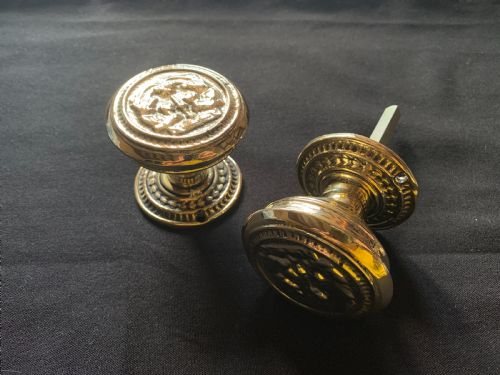


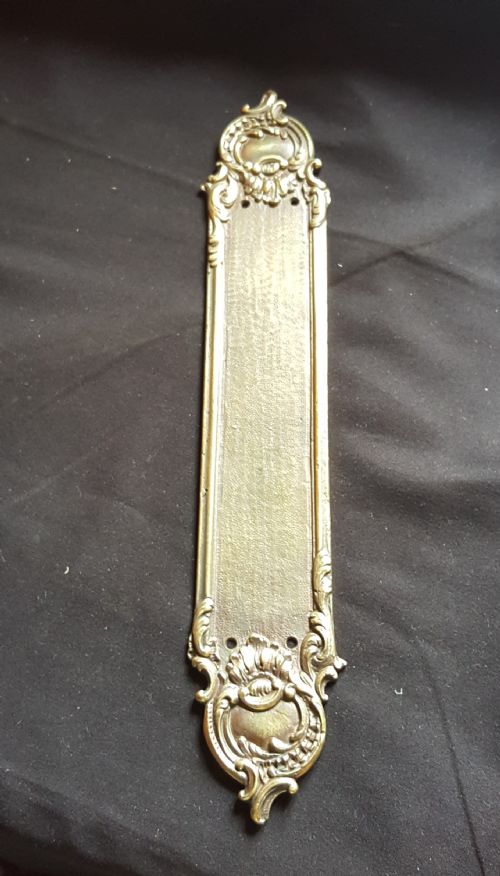
Cast Brass Door Furniture
Cast brass door furniture brings tangible weight and period detail to an entrance, spanning Victorian, Georgian, and Regency designs.
Cast Brass Door Furniture
When you search for cast brass door furniture, you encounter robust hardware items designed to operate and adorn period entrances. The selection on this page centres on pieces from the Victorian, Georgian, and Regency periods, alongside later 19th-century and 1900 examples.
The objects take various functional forms including door knockers, door handles, door knobs, cabinet hardware, finger plates, hinges, letter boxes, and decorative mounts. Materials extend beyond pure brass to encompass bronze, solid brass, lead crystal, oak, and steel.
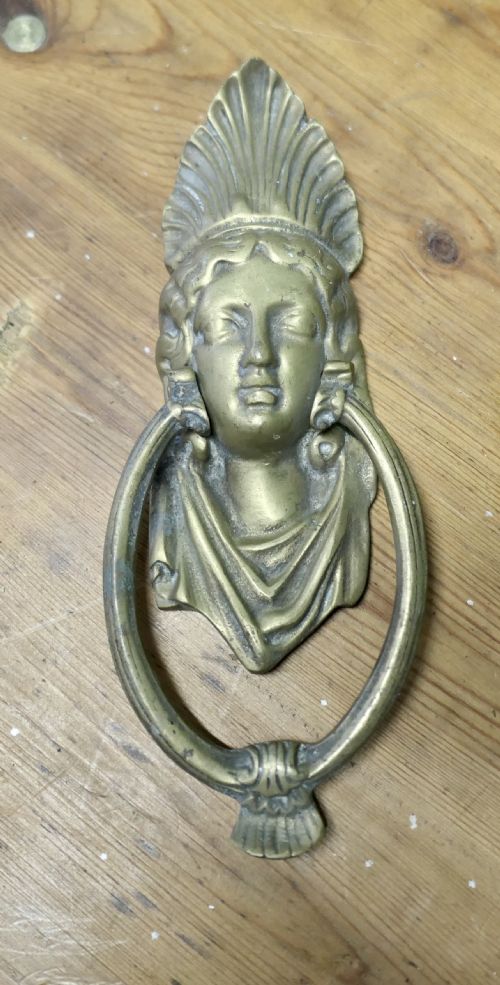
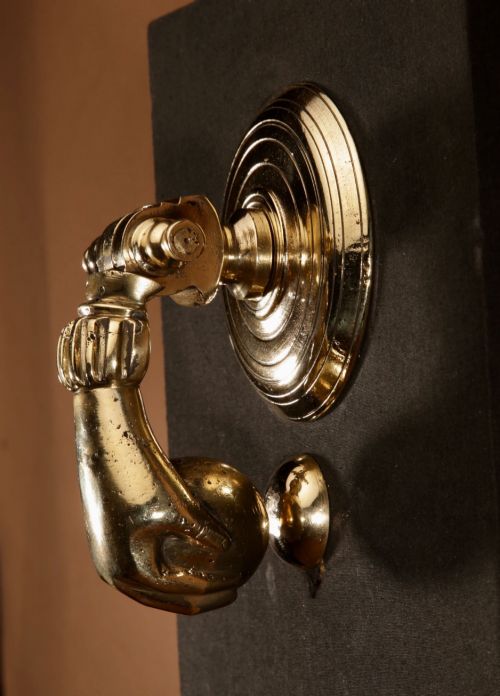
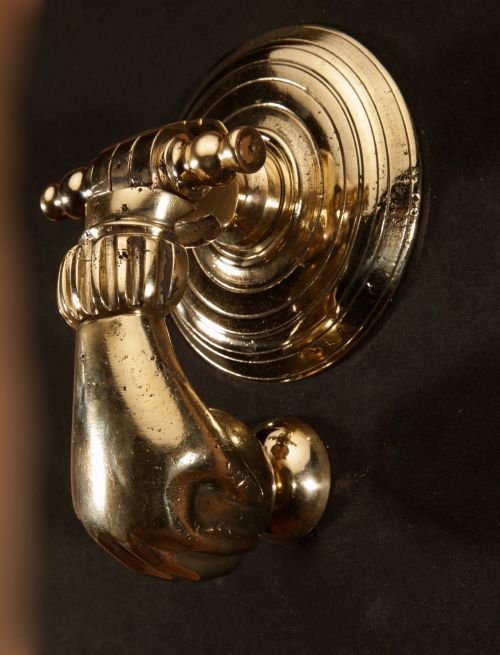
Stylistic influences range from classic and Neoclassical to Arts and Crafts, Gothic Revival, and Louis XVI Neoclassical. You will find specific figural motifs such as caryatids, hands, and ram's heads among the knockers and pulls.
Materials and casting methods
Makers utilised casting techniques to shape molten brass and bronze into durable hardware components. This process allowed for intricate relief work, seen clearly in decorative door plates and knockers.
Combinations of materials appear frequently across the listings, pairing cast brass with lead crystal, oak, and steel components. Such mixed-media construction served both structural endurance and visual contrast.
Listings feature hardware spanning the Victorian, Georgian, and Regency periods, alongside pieces from 1800, 1890, and 1900.
Distinctions in quality
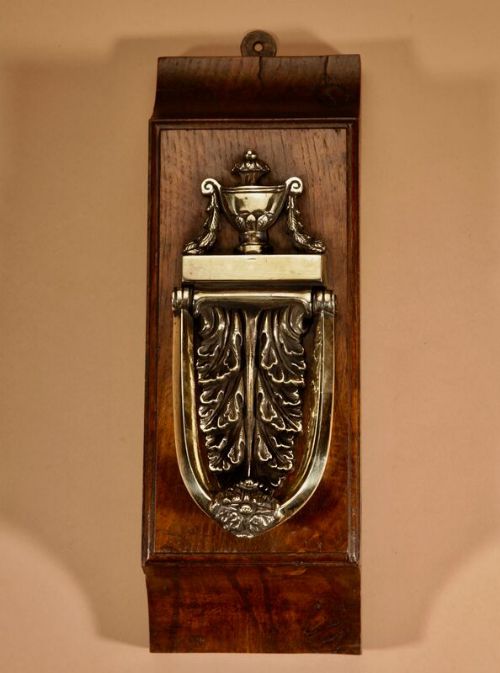
The definition of the casting dictates the sharpness of detail in styles like Gothic Revival and Louis XVI Neoclassical. Crisp edges on acanthus leaves or figural hands separate superior items from softer, worn examples.
Substance and heft indicate the density of the metal used in knobs and finger plates. Solid brass and heavy bronze variants offer a tactile solidity absent in lighter alternatives.
The Cast Brass Door Furniture Glossary
- Caryatid
- A sculpted female figure serving as an architectural support. In door furniture, this appears as the striking element of a knocker.
- Finger Plate
- A protective metal plate mounted near a door handle to prevent soiling of the wood. These often match the surrounding knobs and hinges.
- Lead Crystal
- A heavy, high-clarity glass utilised in combination with brass for door pulls and knobs. It provides a reflective, prismatic grip.
- Louis Seize Style
- The French neoclassical style spanning the reign of Louis XVI, characterised by straight lines and classical ornamentation. Pieces in this taste display restrained geometric symmetry.
Cast Brass Door Furniture: Frequently Asked Questions
How do I date cast brass door furniture?
Dating relies on recognising the stylistic vocabulary of periods such as Georgian, Regency, and Victorian. Details like Gothic Revival or Arts and Crafts motifs align the hardware with specific design movements.
Material combinations and mounting techniques also provide context, though many utilitarian pieces continued in traditional forms across decades.
Can I install antique door knobs on modern doors?
Many antique door knobs and plates can be fitted to contemporary doors with appropriate spindle adjustments. Standard modern door thicknesses sometimes require adaptation to accommodate older hardware proportions.
Consulting a professional joiner ensures the mechanism operates smoothly without damaging the historic brass components.
How should I clean antique brass hardware?
Maintenance typically involves gentle dusting and occasional cleaning with a soft cloth to preserve the historic patina. Aggressive metal polishes strip away aged surfaces that collectors value.
Preserving the natural oxidation maintains the character accumulated over centuries of use.
What is the difference between brass and bronze hardware?
Brass is an alloy of copper and zinc, whilst bronze primarily combines copper with tin. Bronze hardware often exhibits a deeper, browner tone compared to the brighter golden hue of brass.
Both metals were utilised for their durability and corrosion resistance in architectural applications.