

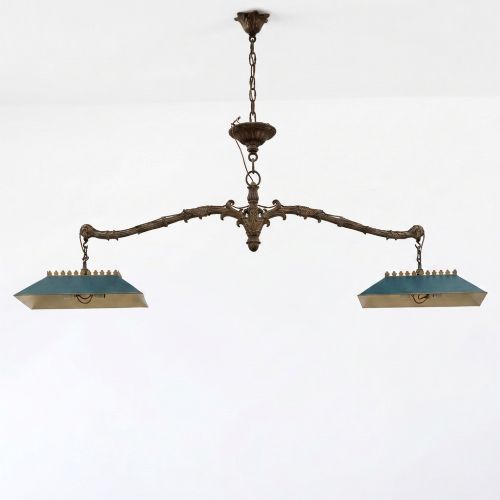
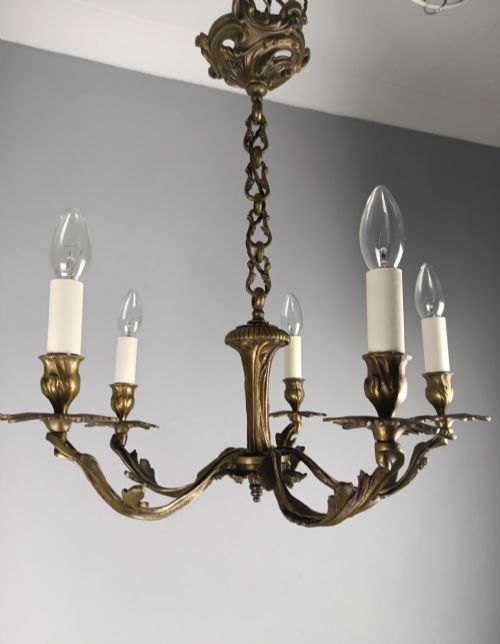
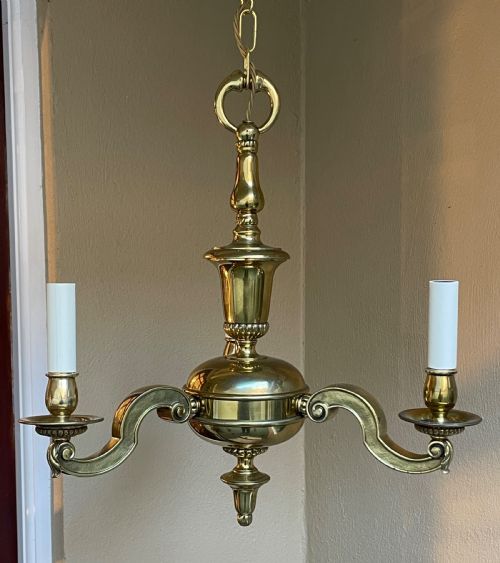
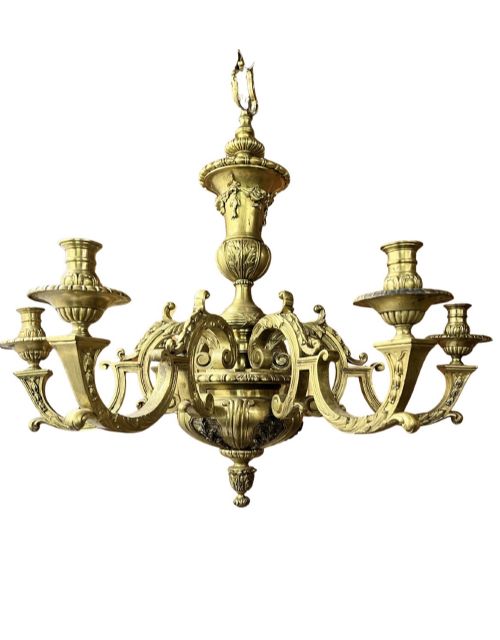
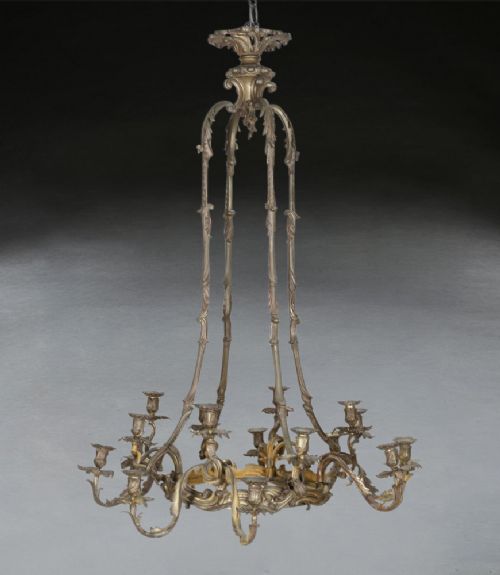


Cast Brass Ceiling Fixture
A cast brass ceiling fixture brings heavy metalwork and period illumination together, offering substantial hanging lights built from durable cast alloys.
Cast Brass Ceiling Fixture
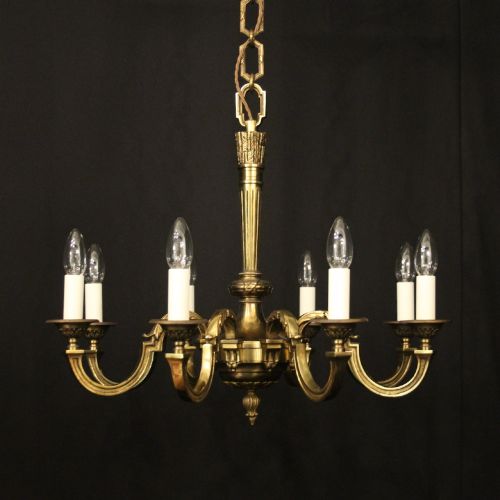
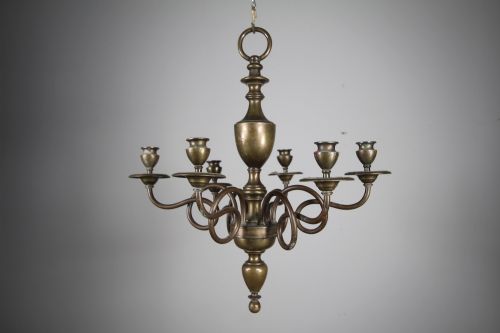
A cast brass ceiling fixture comprises heavy hanging lighting forms made primarily from cast brass, bronze, and gilt metals. Buyers searching for a cast brass ceiling fixture encounter multi-branch chandeliers, ceiling lights, and lanterns dating from the nineteenth century through the early twentieth century.
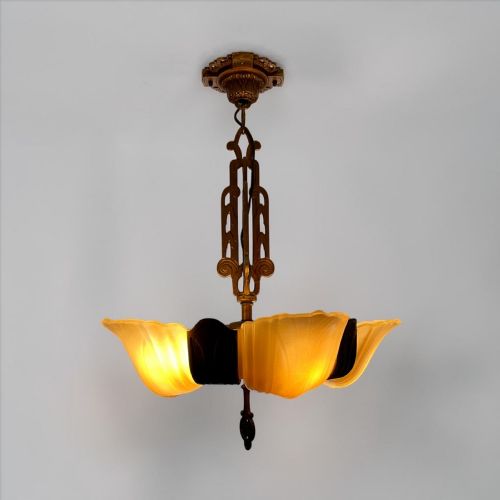
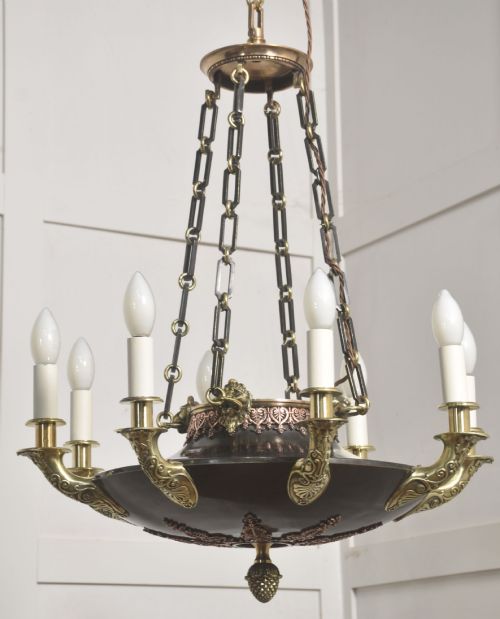
The selection ranges from Victorian gothic designs and Empire Revival pieces to French Louis styles and Art Deco slip shade lights. Multi-light chandeliers dominate the selection, spanning simple three-branch fixtures up to large twenty-four-light arrangements.
French workshops and revival styles heavily influence the available forms, incorporating ornate mounts, acanthus leaves, and cut glass elements. These hanging lights provide substantial downward illumination while serving as major decorative focal points in high-ceilinged rooms.
How they were made
Foundry workers utilised sand casting and lost-wax methods to form heavy brass, bronze, and gilt metal components. Molten metal poured into moulds created thick structural frames, arms, and decorative mounts that could support multiple lamp arms.
Surface finishing involved manual chasing, gilding, and applying dark bronze patinas to the cast metal elements. Glass components, including frosted shades and cut glass panels, were individually blown or moulded to fit specific frames.
Wiring and electrical conversions took place decades after initial manufacture, adapting gas and candle-burning chandeliers for modern electrical supplies while retaining original metal bodies.
Cast Brass Ceiling Fixture Retail Price Guide 2026
Typical asking prices for cast brass ceiling fixture among the pieces listed under this phrase on Sellingantiques today, from the lower quarter to the upper quarter. They describe what is for sale here now, not the wider market.
Listings feature nineteenth-century and early twentieth-century designs, spanning Victorian, Art Deco, and French Louis XVI revival styles.
What varies in quality
Metal thickness and weight distinguish robust fixtures from lighter alternatives, with heavier castings supporting more intricate ornamentation like acanthus leaf mounts. The crispness of chased details in the brass and bronze reveals the skill applied during the finishing stage of production.
The integrity of surface finishes, whether original fire gilding, applied ormolu, or dark bronze patination, affects the overall visual depth. Quality also shows in the integration of secondary materials, such as heavy cut glass crystals and frosted slip shades secured within the metal framework.
The Cast Brass Ceiling Fixture Glossary
- Cast brass
- An alloy of copper and zinc poured into a mould to create solid, shaped components. This technique allows for heavier and more complex decorative forms than sheet metal fabrication.
- Ormolu
- A metallic coating of finely ground gold mercury applied to bronze objects. This historic French technique provides a rich, warm golden lustre.
- Acanthus leaf
- A decorative sculptural motif modelled on Mediterranean foliage. Artisans frequently cast this leaf pattern into brackets, bobeches, and ceiling mounts.
- Slip shade
- A moulded piece of frosted or patterned glass that slots directly into a metal frame. These shades became prominent during the Art Deco period.
- Gilt bronze
- Bronze metal treated with a gold-coloured finish or actual gilding. It combines the structural strength of bronze with a bright surface appearance.
Cast Brass Ceiling Fixture: Frequently Asked Questions
How do I hang a heavy antique chandelier?
Heavy cast brass and bronze fixtures require direct attachment to ceiling joists using rated steel hanging hooks and internal structural support boxes. Professional installation ensures the ceiling can safely bear the substantial weight of multi-branch metal lighting.
Electrical weight loads must be distributed properly through the central hanging chain or brass rod. An electrician should check internal wiring paths during installation to ensure compliance with current safety standards.
Can I adjust the drop height of these fixtures?
Most ceiling fixtures hang from chain links or rigid metal downrods that can be shortened by removing links or tubing. Adjusting the height requires careful handling of the internal electrical wiring routed through the centre.
Consulting a professional lighting restorer helps determine the ideal suspension length for specific ceiling heights without compromising the structural balance of the frame.
How do I clean antique brass without damage?
Dust metal surfaces regularly with a soft, dry microfibre cloth to prevent grime accumulation in chased details and cast recesses. Avoid abrasive commercial metal polishes that strip away historic patinas and original surface treatments.
Stubborn grime requires gentle wiping with a damp cloth and mild soap, followed by immediate drying. Preserving the natural ageing of the brass maintains the visual character of the piece.
What is the difference between brass and bronze fixtures?
Brass is primarily an alloy of copper and zinc, yielding a brighter, yellower metallic tone when unpolished. Bronze consists mainly of copper and tin, producing a denser material with a darker natural reddish-brown hue.
Many antique makers used both metals interchangeably within the same fixture, applying patinas or gilt finishes that unified the overall appearance of the chandelier.