






Cased Medical Instrument
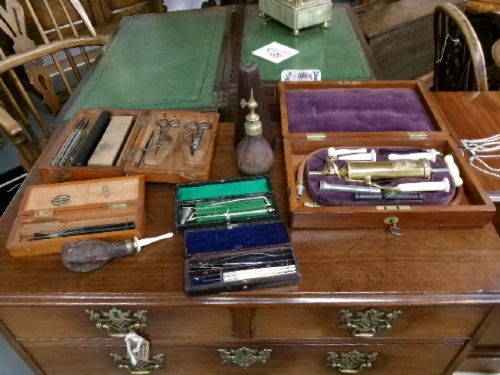
These cased medical instrument examples unite precision engineering with fitted cabinetry, offering a tactile record of clinical and scientific practice.
Cased Medical Instrument
A cased medical instrument represents a portable kit designed for clinical, veterinary, or scientific use, usually housed in a fitted wooden box made to protect delicate contents during transport. The pieces found here span from the Regency period through the Victorian era and into the early twentieth century.
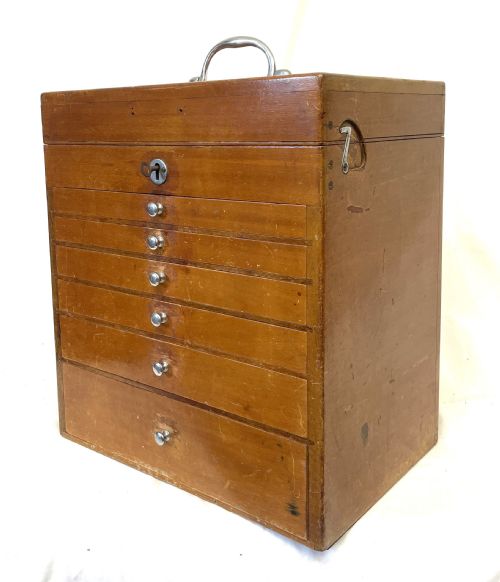
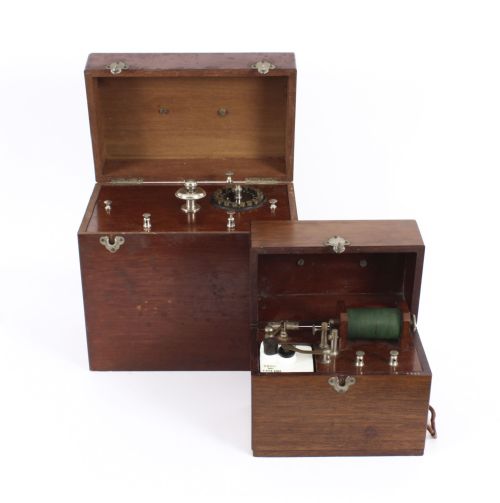
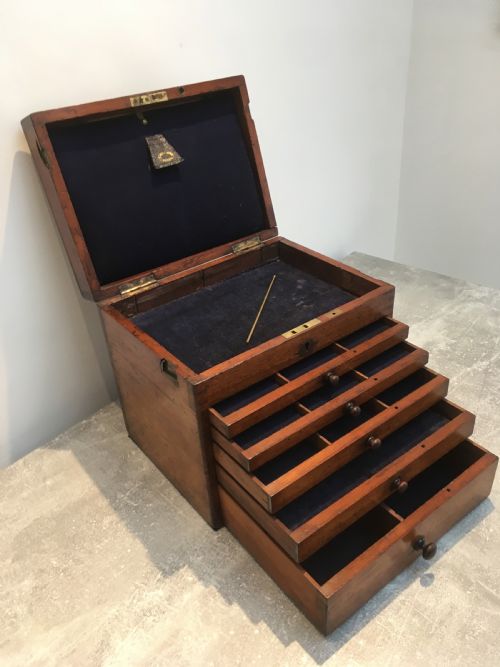
Most examples take the form of specialised diagnostic or therapeutic kits, including opticians' examination sets, dental equipment cabinets, cupping sets, and electrotherapy devices. These collections range from single pocket instruments in fitted mahogany or pine cases to multi-drawer apothecary cabinets and specialised carrying chests.
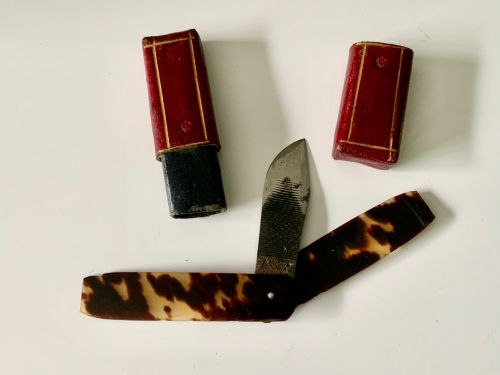
The materials and styles reflect their period of manufacture, moving from Regency and Victorian craftsmanship utilising brass, tortoiseshell, and velvet to industrial utility and early twentieth-century designs. Each set preserves the specific tools required by practitioners of the past, arranged securely within lined compartments.
How they were made
Makers constructed the exterior housings using hardwoods such as mahogany and pine, frequently lining the interior trays with velvet to cushion steel, glass, and brass components. Instrument cases often feature precision joinery, recessed brass handles, and dedicated slots designed to hold each specific tool securely.
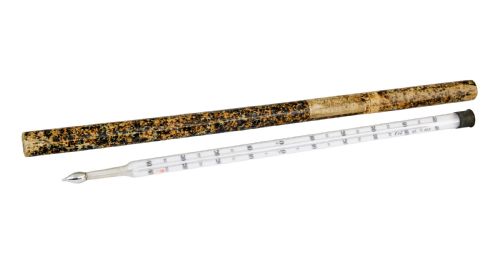
Metallic components combine forged steel for functional edges and mechanisms with polished brass for fittings, hinges, and structural mounts. Delicate glass elements, such as thermometer tubes and test lenses, are integrated carefully into fitted wooden frames or specialised trays.
Cased Medical Instrument Retail Price Guide 2026
Typical asking prices for cased medical instrument among the pieces listed under this phrase on Sellingantiques today, from the lower quarter to the upper quarter. They describe what is for sale here now, not the wider market.
Listings on this site feature brass, mahogany, glass, steel, velvet, pine, tortoiseshell, and leather across periods from the Regency era to 1930.
What varies in quality
Quality rests in the completeness of the original contents and the integrity of the fitted case, where matching components and undisturbed interior linings elevate a piece. Sets that retain their original maker markings, whether stamped on brass fittings or inscribed on internal labels, demonstrate higher provenance.
The refinement of the cabinetry distinguishes standard utility boxes from superior examples, visible in the choice of timbers, such as figured mahogany or tortoiseshell, and the precision of the internal dividers.
John Millikin of 301 The Strand
The Cased Medical Instrument Glossary
- Cupping set
- A medical kit containing glass cups and scarificators used historically for bloodletting. These sets are typically housed in fitted wooden boxes with specialised velvet lining.
- Electrotherapy device
- A nineteenth or early twentieth century apparatus designed to deliver electrical currents for therapeutic treatments. They are usually mounted within polished wooden carrying cases.
- Optician set
- A diagnostic kit containing test lenses, frames, and examination tools for measuring vision. Such sets are organised in compartmentalized wooden cabinets.
- Vaccinating lancet
- A small surgical blade used for administering vaccines, often manufactured for specific fields such as veterinary practice. These instruments are kept in compact protective cases.
Cased Medical Instrument: Frequently Asked Questions
What tools are typically inside a cased medical instrument?
The contents vary by profession, ranging from opticians' test lenses and thermometers to dental equipment and electrotherapy apparatus.
Each tool is selected for a specific clinical or scientific task and secured in a custom compartment.
How are these instrument cases constructed?
Cases are generally built from hardwoods like mahogany or pine, featuring brass hinges, locks, and inset carrying handles.
Interiors are lined with velvet or fabric and partitioned with wooden dividers to hold delicate steel and glass items safely.
How do I identify the period of a medical set?
Dating relies on the style of the cabinetry, the materials used for the instruments, and any maker inscriptions found on the hardware.
Regency and Victorian pieces often display distinct brass detailing and fitted woodwork that differ from early twentieth century designs.
Were these pieces used in homes or practices?
Most cased instruments were made for professional clinicians, opticians, dentists, and veterinary surgeons who required portable diagnostic tools.
Some larger cabinets remained stationary in surgeries, while carrying chests and pocket sets were designed for house calls.