





Carving Set in Box
A carving set in box brings together fitted utility and formal presentation, offering a tangible link to historic dining habits.
Carving Set in Box
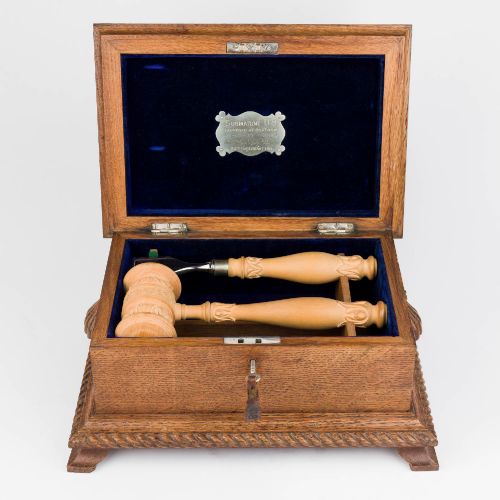
A carving set in box typically comprises handled steel implements housed within a fitted container lined with fabric or velvet, designed for table service. The examples appearing across this selection generally date from the Victorian and Edwardian periods, reflecting nineteenth and early twentieth-century dining customs.
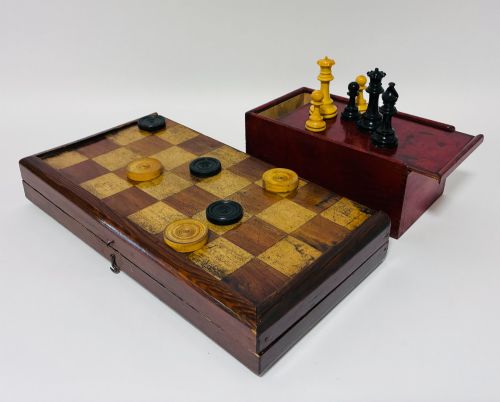
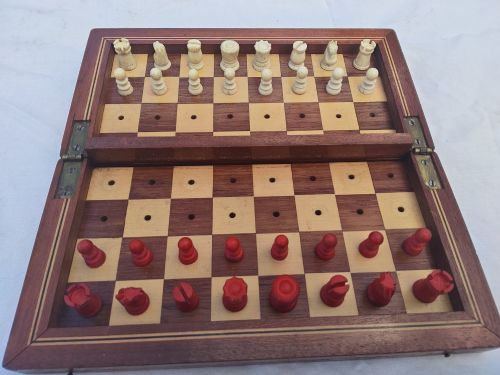
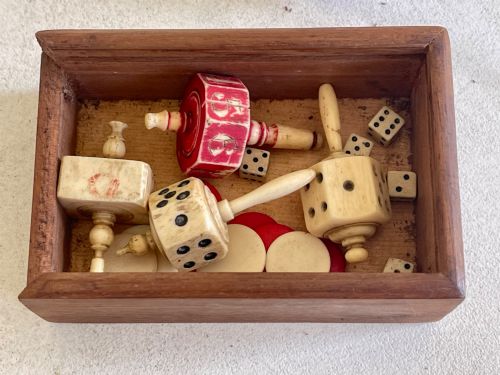
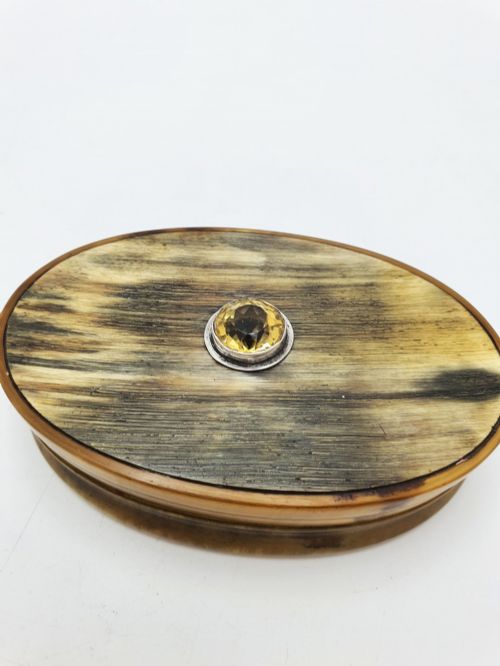
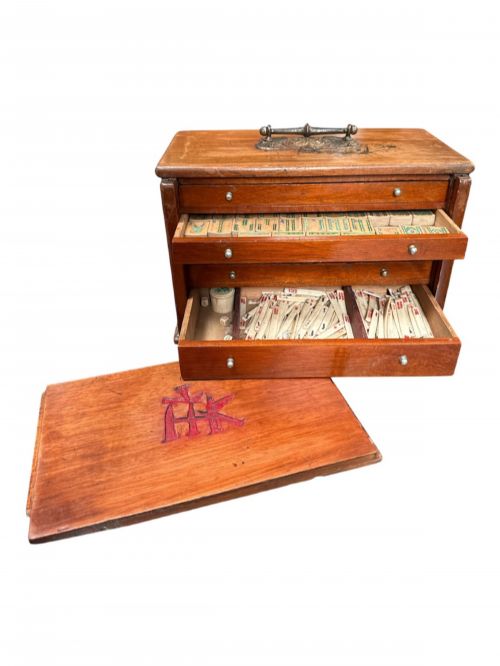
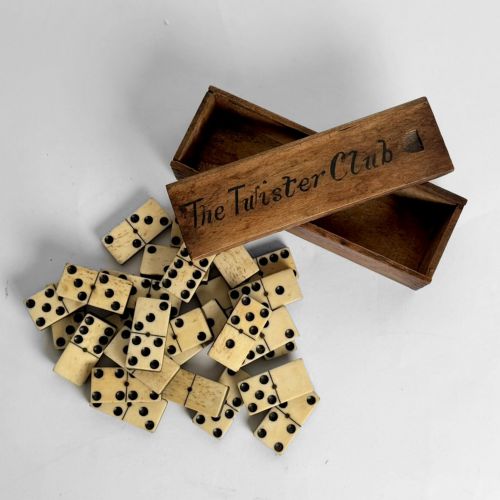
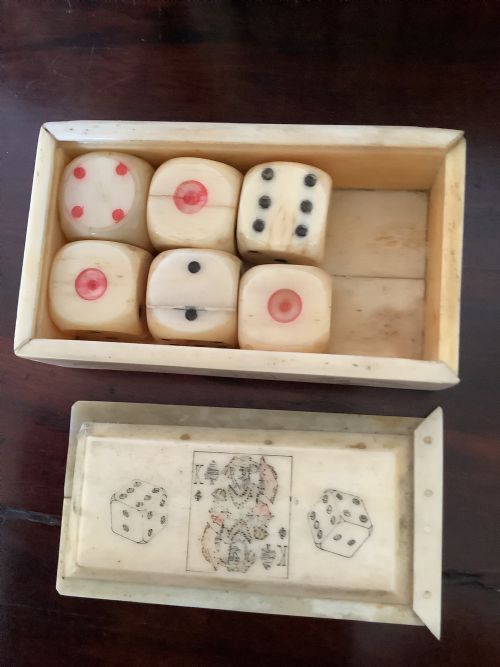
Beyond standard cutlery housings, the wider category encompasses fitted wooden cabinets and presentation boxes containing games, gaming pieces, and serving utensils. These pieces survive from periods spanning the nineteenth century through to the early nineteen-hundreds, constructed in woods such as oak, mahogany, and rosewood.
Materials and construction methods
Makers utilised dense timbers like boxwood, ebony, and mahogany to construct the protective outer cases and turn the matching components. Interiors frequently incorporate fitted velvet or silk linings designed to hold individual implements securely in place.
Metal components involve brass mounts, silver plate, and sterling silver paired with organic handles fashioned from bone, horn, or mother-of-pearl. Construction relies on traditional joinery techniques suited to creating snug compartments for daily utility or presentation.
Carving Set in Box Retail Price Guide 2026
Typical asking prices for carving set in box among the pieces listed under this phrase on Sellingantiques today, from the lower quarter to the upper quarter. They describe what is for sale here now, not the wider market.
Markers of quality and craftsmanship
Quality rests upon the precision of the fitted interior and the integrity of the timber housing, where tight joinery and well-preserved velvet linings distinguish superior examples. The execution of carved details on bone, ivory, or wood elements indicates the skill of the maker.
Material selection further defines the standard, distinguishing basic utility sets from those incorporating precious metals, fitted brass hardware, or carefully selected exotic woods.
Jaques·British Chess Company·F. H. Ayres
The Carving Set in Box Glossary
- Boxwood
- A dense, pale wood commonly utilised for turning chess pieces, gaming counters, and small detailed components due to its fine grain.
- Tantalus
- A locking wooden beverage cabinet featuring a metal bar that secures decanters inside, allowing the contents to be seen but not accessed without a key.
- Teapoy
- A small stand or table fitted with containers for storing loose tea leaves, originating in the eighteenth and nineteenth centuries.
- Mother-of-pearl
- The iridescent inner layer of certain mollusc shells, sliced thin and applied as decorative plating on knife handles, boxes, and small artefacts.
- Mahogany
- A durable, reddish-brown tropical hardwood favoured for nineteenth-century furniture and fitted presentation boxes.
Carving Set in Box: Frequently Asked Questions
What is a carving set in box?
A carving set in box is a fitted container holding matched knives and forks intended for cutting and serving meat at the dining table.
These sets were designed to protect sharp steel blades and decorative handles while providing an impressive presentation piece for formal meals.
How were these boxed sets used?
They were utilised primarily during formal dining occasions or kept safely stored until special family gatherings.
The fitted box ensured that the components remained complete, clean, and protected from environmental dampness between uses.
How do I care for antique wood and bone?
Keep wooden boxes and bone handles away from direct sunlight and extreme temperature fluctuations to prevent timber splitting and organic material shrinkage.
A gentle dusting with a dry cloth is generally sufficient for maintenance, avoiding harsh chemical polishes.
How do I identify Victorian pieces?
Victorian items often display characteristic revival styles, heavier timber construction, and specific hallmarks on silver components when present.
The integration of fitted velvet interiors and brass hardware also points directly towards nineteenth-century manufacturing standards.