

Carver Armchair and Chairs
These carver armchair and chairs pieces offer solid seating timber frames and upholstered seats designed to anchor a traditional dining table or study.
Carver Armchair and Chairs
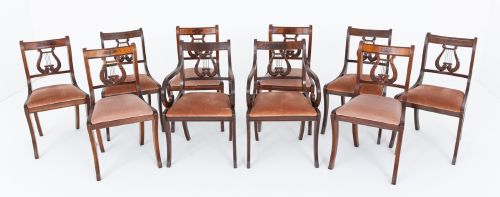
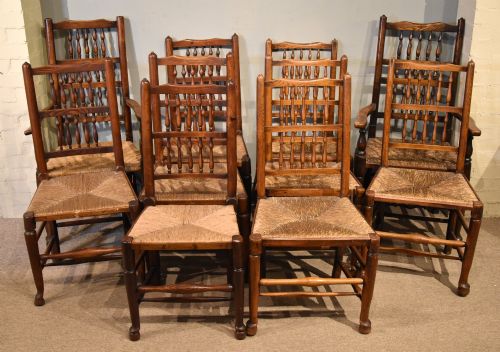
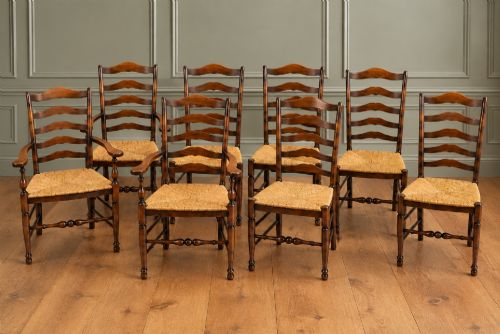
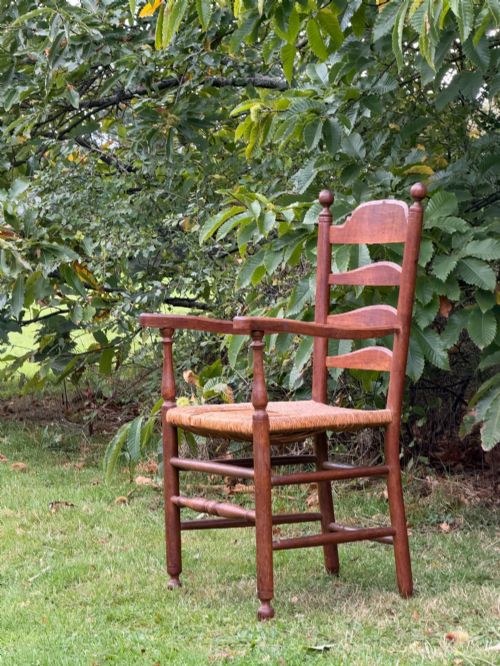
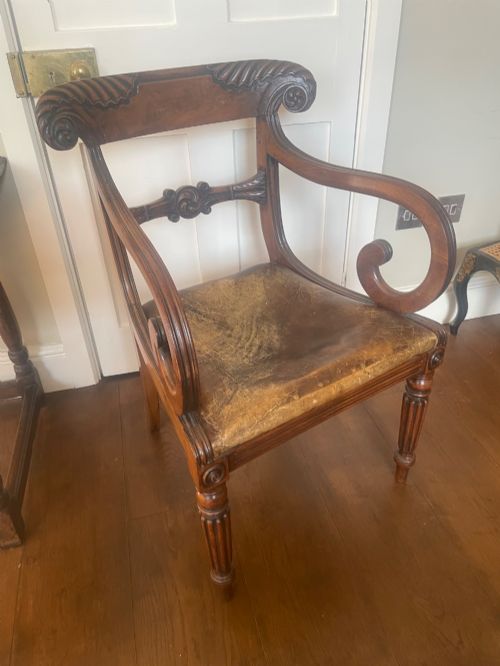
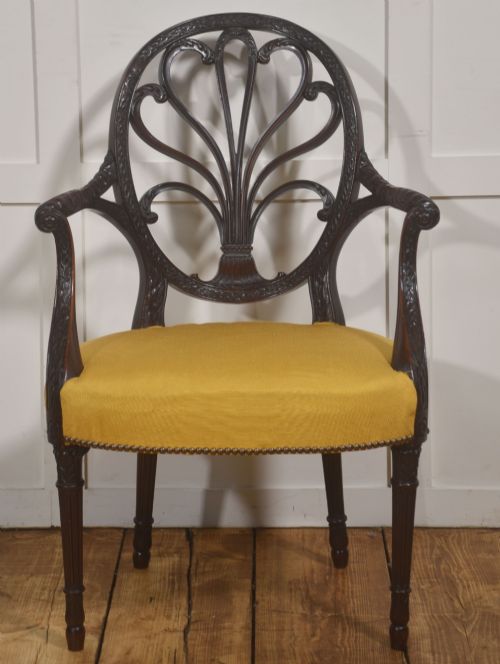
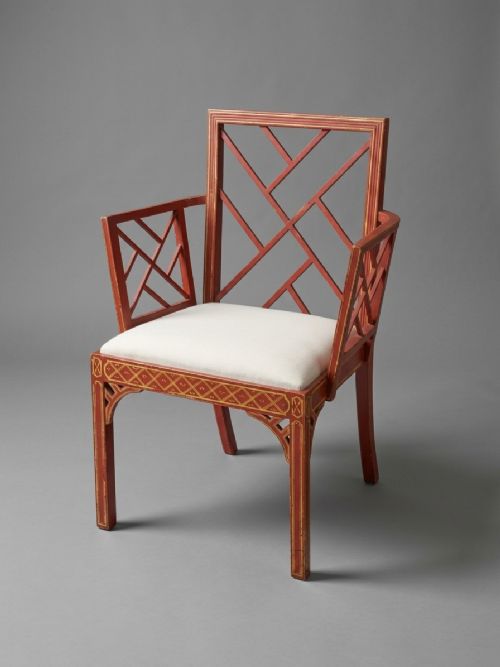
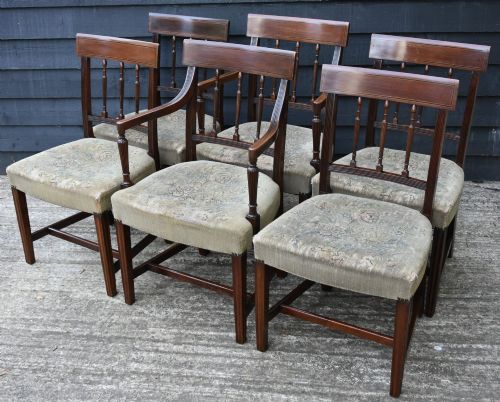
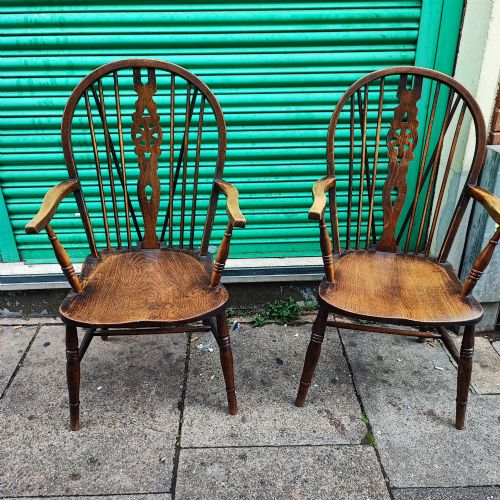
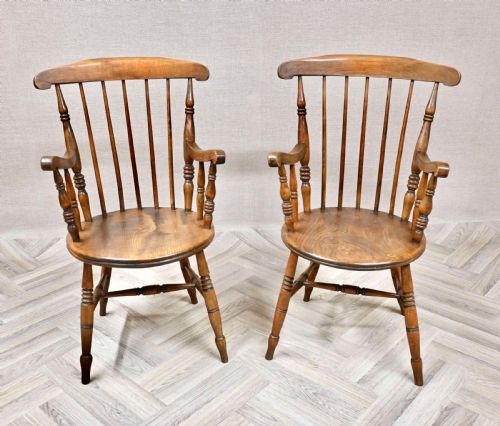
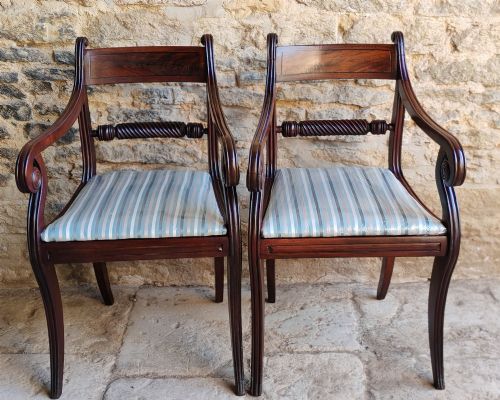
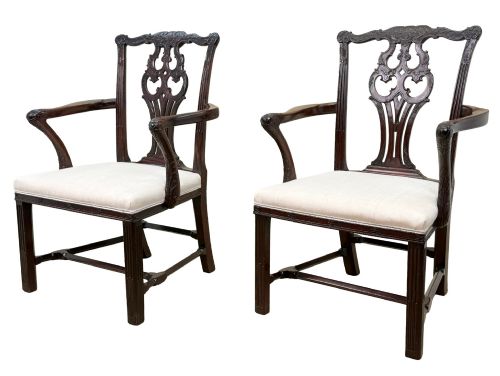
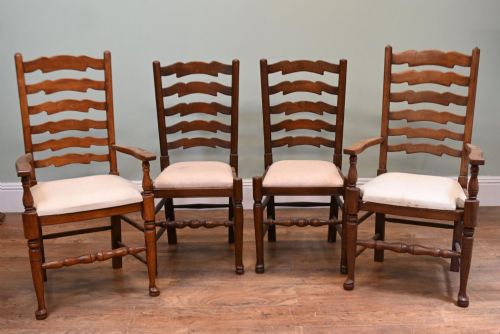
A carver armchair and chairs search brings up seating designed for dining rooms, libraries, and desks, predominantly featuring single armchairs and matching sets that include carvers. You will encounter forms ranging from sturdy Windsor and stick back designs in elm and yew to formal mahogany dining sets with shield backs or pierced splats.
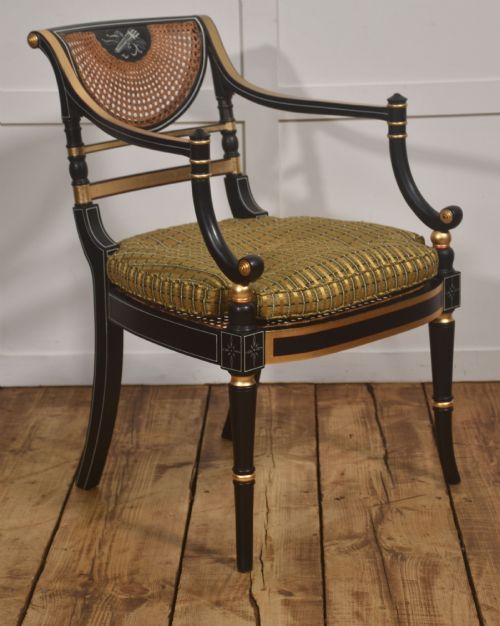
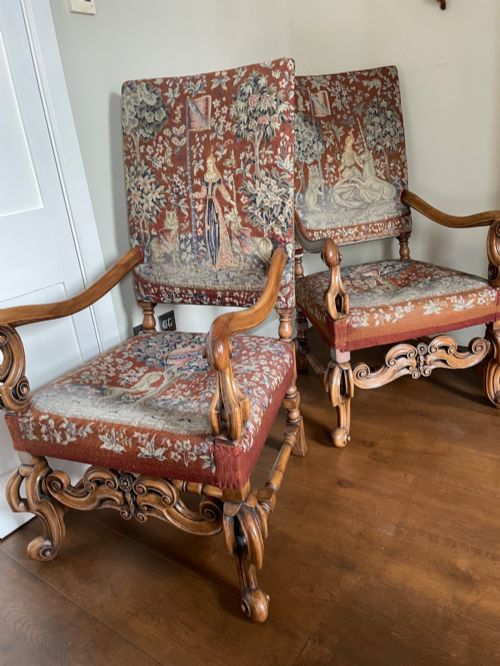
The pieces span several centuries of British and continental woodworking, with notable representation from the eighteenth century, the Regency period, and the Victorian era. Many examples follow established design idioms such as George III, Chippendale, Hepplewhite, and Sheraton, alongside rustic country styles and later revivals.
Materials and Construction
Cabinetmakers relied heavily on dense hardwoods like mahogany, rosewood, oak, and walnut for formal dining and library seating, while regional makers utilised elm, yew, beech, and pitch pine for traditional Windsor and stick back armchairs. Joinery relied on mortise and tenon frames, turned spindles, and steam-bent components to achieve structural strength.
Surface treatments varied from polished timber finishes and hand-painted parcel-gilt details to black lacquer. Upholstered elements featured traditional stuffing covered in fabric, velvet, or original tan leather.
Carver Armchair and Chairs Retail Price Guide 2026
Typical asking prices for carver armchair and chairs among the pieces listed under this phrase on Sellingantiques today, from the lower quarter to the upper quarter. They describe what is for sale here now, not the wider market.
Some nineteenth-century Windsor chairs combine elm seats with beech spindles, utilising different woods for strength and comfort.
Quality and Execution
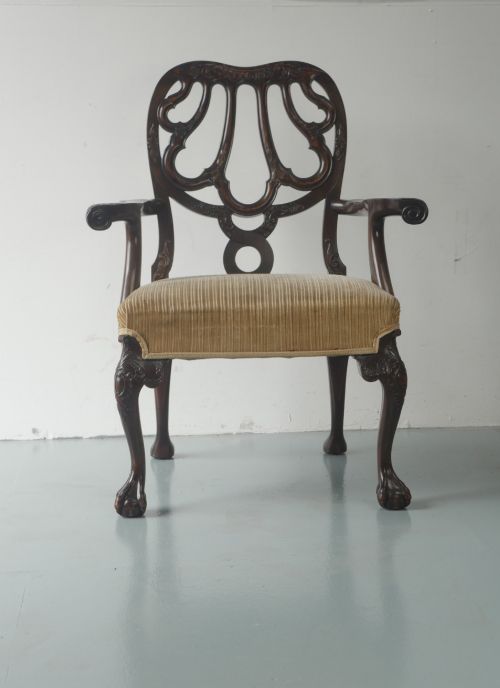
The distinction between ordinary and exceptional seating lies in the crispness of the timber carving, the selection of figured wood grain, and the harmony of proportions. Fine examples display deeply sculpted splats, well-defined arm terminals, and structurally integrated frames that have survived centuries without excessive reinforcement.
Sets vary according to the consistency of matching elements across all pieces, particularly where carvers are paired with standard dining chairs. Higher quality items maintain original show wood surfaces and period upholstery foundations rather than modern overhauls.
The Carver Armchair and Chairs Glossary
- Carver armchair
- An open armchair with armrests, traditionally placed at the head of a dining table alongside matching side chairs.
- Splat
- The vertical central strip of wood within a chair back, often carved, pierced, or shaped in styles such as shield or ribbon.
- Elbow chair
- An alternative historical term for an armchair, frequently used to describe dining or desk chairs with armrests.
- Windsor
- A traditional wooden chair constructed with a solid sculpted seat into which the legs and back spindles are wedged and pegged.
- Parcel-gilt
- A decorative technique where specific carved details or mouldings are highlighted with a thin layer of gold leaf.
Carver Armchair and Chairs: Frequently Asked Questions
What is a carver armchair?
A carver armchair is a seated piece featuring armrests designed to match a set of standard dining chairs. It typically sat at the head of the dining table.
Historically, these chairs provided extra comfort and presence for the host while maintaining stylistic continuity with the rest of the seating set.
How do I spot a Windsor chair?
A Windsor chair is identifiable by its solid wooden seat slab into which the legs and back spindles are directly inserted. They often use native timbers like elm, yew, and beech.
Unlike upholstered frames, their construction relies entirely on turned wooden components and steam-bent rails to form the backrest.
Are these chairs suitable for daily use?
Most antique wooden dining and desk chairs are built with robust mortise and tenon joinery that handles regular seating. Proper weight distribution and stable frames ensure they function well in modern homes.
Care should be taken with antique upholstery springs and delicate carved show wood when used frequently.
How do I tell George III from Regency?
George III pieces generally exhibit more elaborate carved ornamentation, such as intricate Chippendale pierced splats and heavier mahogany frames. Regency furniture tends towards cleaner classical lines inspired by antiquity, sometimes incorporating painted surfaces and brass inlay.
Proportions also shift, with Regency designs often appearing lighter and more compact.