

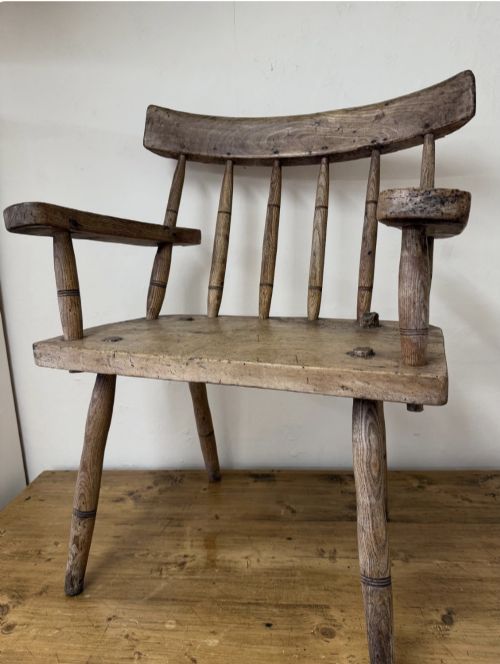
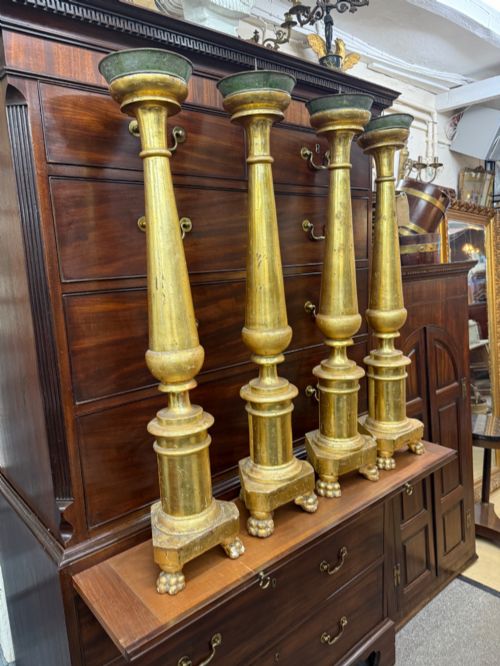
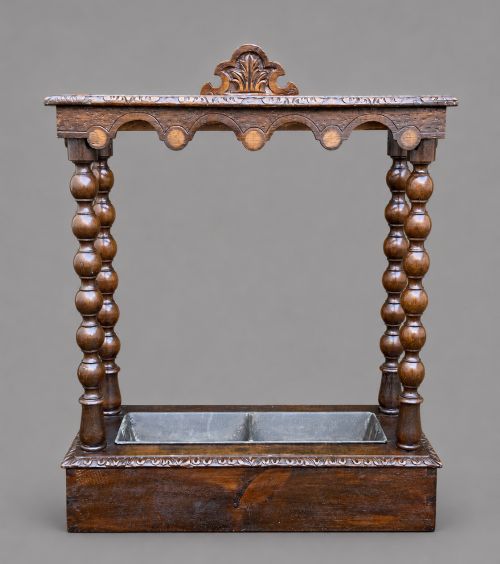
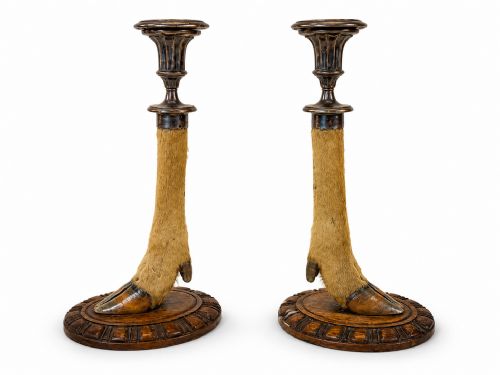


Carved Wooden Stick
These pieces known as a carved wooden stick range from walking canes and utility holders to folk art treen, shaped to be held or to hold.
Carved Wooden Stick
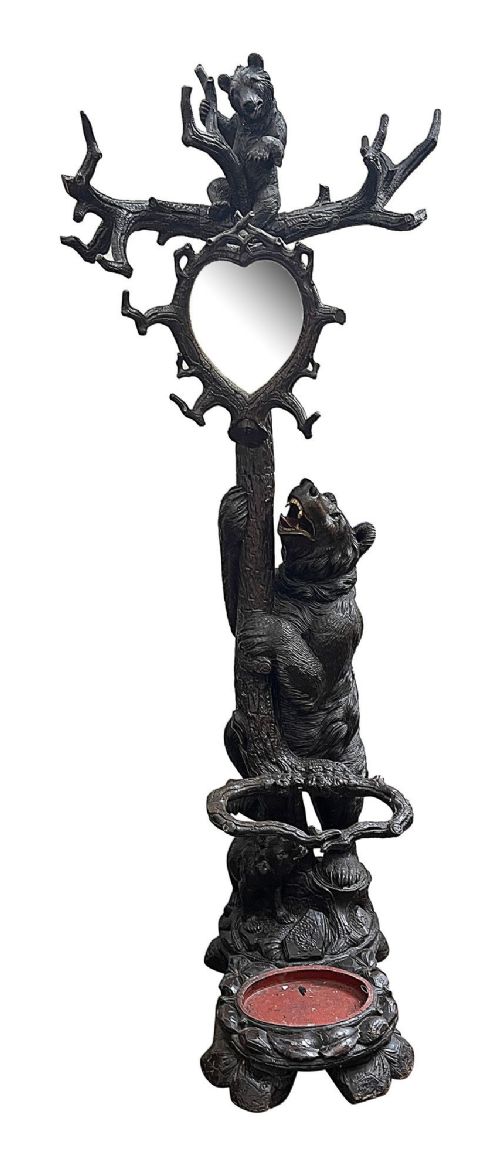
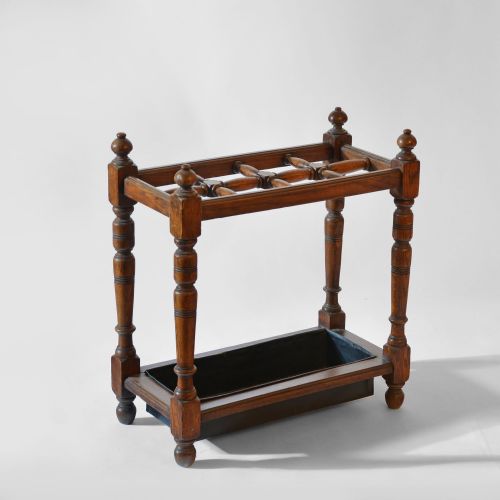
A carved wooden stick encompasses walking canes, sword sticks, knitting sheaths, and heavy umbrella stands made across the nineteenth and early twentieth centuries. Walking sticks and umbrella stands predominate on this page, alongside treen and hall furniture.
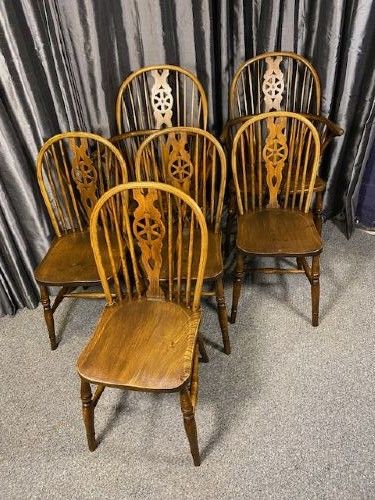
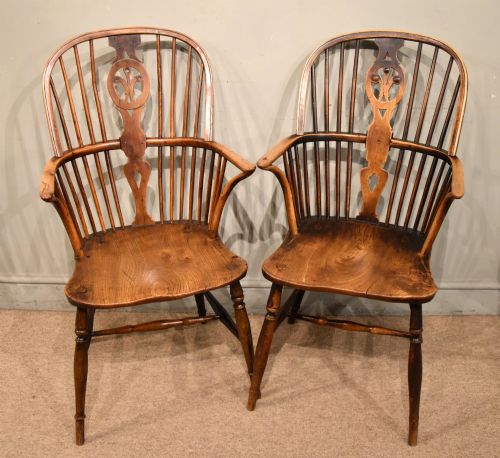
The objects originate from varied British, European, and global traditions, including Black Forest carvings, Welsh and English Windsor chairs linked to stick-making, and Indigenous or colonial items. Makers utilised local hardwoods and exotic timbers alike to shape functional and decorative items.
Dated examples span the eighteenth to the early twentieth century, taking in Georgian, Victorian, and Edwardian periods. Collectors find utilitarian country pieces alongside highly ornate novelty items featuring animal heads or concealed blades.
Materials and Technique
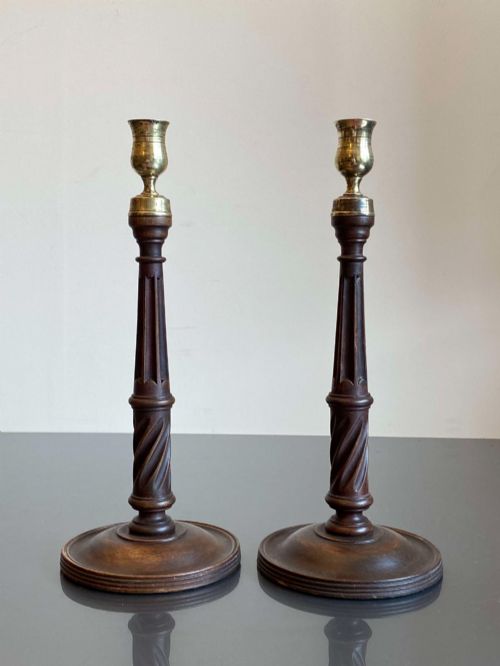
Craftsmen utilised native timbers such as oak, elm, ash, walnut, fruitwood, and laburnum, often pairing dense woods with softer supports. Certain items incorporate metal blades, brass details, or glass elements alongside the primary wooden structure.
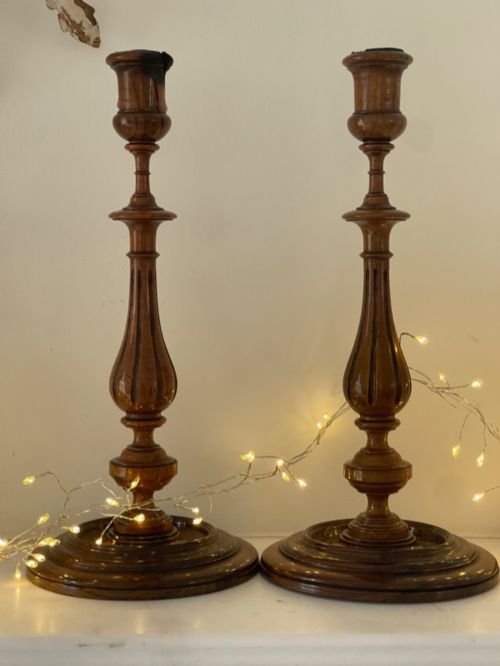
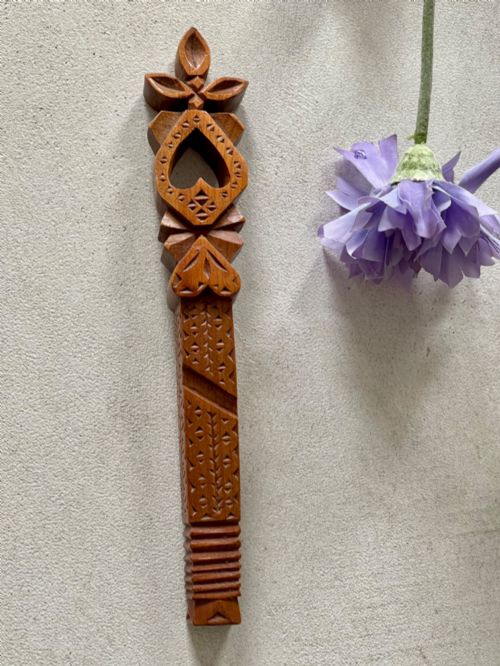
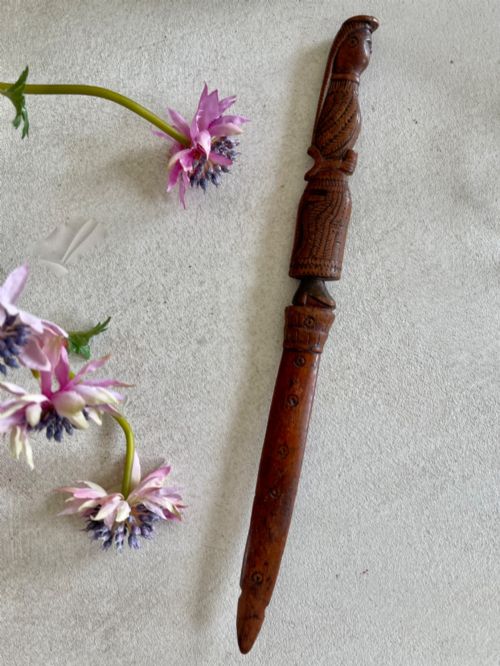
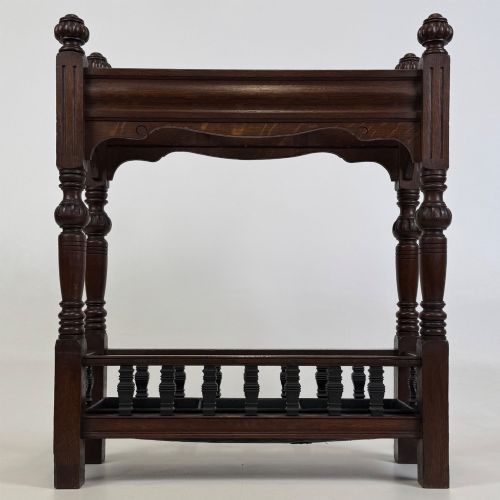
Carving, turning, and incised line decoration define the surface work, seen on Black Forest bears, treen knitting sheaths, and walking stick handles. Joinery methods connect uprights, bases, and panels in hall stands and stick holders.
Carved Wooden Stick Retail Price Guide 2026
Typical asking prices for carved wooden stick among the pieces listed under this phrase on Sellingantiques today, from the lower quarter to the upper quarter. They describe what is for sale here now, not the wider market.
Listings feature items from the 18th century, Victorian, and Edwardian periods, constructed in oak, ash, elm, fruitwood, and metal.
Craftsmanship and Proportion
Superior examples display crisp, deep relief carving and balanced proportions, particularly on Black Forest animal figures and figurative stick handles. Inferior or later pieces often show mechanical execution with shallow, blunt details.
Material selection dictates standard, where tightly grained hardwoods and unblemished fruitwood outlast soft, knotted timbers that suffer from shrinkage and splitting over decades of use.
The Carved Wooden Stick Glossary
- Treen
- Small handmade wooden objects for domestic use. These items include nineteenth-century knitting sheaths and decorative holders.
- Black Forest
- A nineteenth-century carving style originating in Switzerland and Germany. Pieces usually depict bears and forest animals rendered in dark wood.
- Windsor
- A chair construction method featuring turned legs and spindles socketed into a solid wooden seat. Many examples rely on ash and elm.
- Pricket
- A sharp metal spike on a candlestick designed to hold a candle upright. This form appears on turned wooden bases from the Georgian and Victorian eras.
- Knitting sheath
- A small carved wooden case tucked into an apron or belt to support a single knitting needle. They often feature punchwork and incised geometric lines.
Carved Wooden Stick: Frequently Asked Questions
What is a carved wooden stick?
A carved wooden stick covers everything from functional walking aids and sword sticks to domestic treen and hall stands.
Craftsmen shaped these items from woods like oak, walnut, and fruitwood during the eighteenth, nineteenth, and early twentieth centuries.
How were walking sticks used?
Walking sticks served as daily accessories for gentlemen and military officers, sometimes concealing blades or novelty handles for self-defence or fashion.
Larger carved sticks took the form of umbrella and stick stands stationed in halls to organise walking gear.
How do I date a wooden stick?
Dating relies on timber selection, carving style, and construction methods associated with periods like the Victorian era or Edwardian times.
Documentation, maker marks, and specific regional motifs such as Black Forest carving help narrow the decade of production.
Where should I place a stick stand?
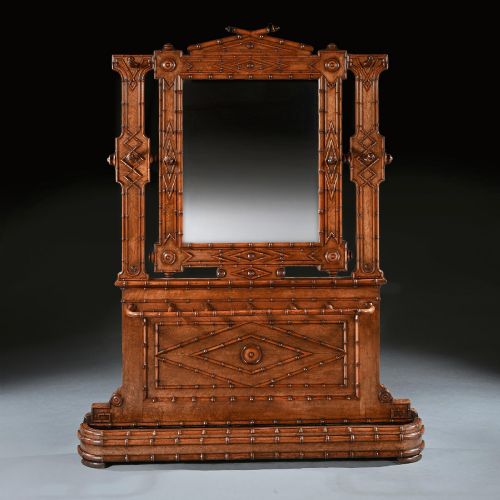
Stick stands and hall stands fit naturally in entranceways, hallways, and boot rooms where outdoor gear is stored.
Their wooden frames complement antique furniture while keeping walking sticks and umbrellas upright and accessible.