




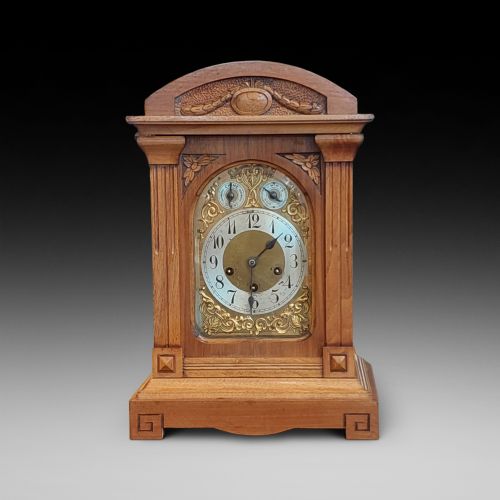
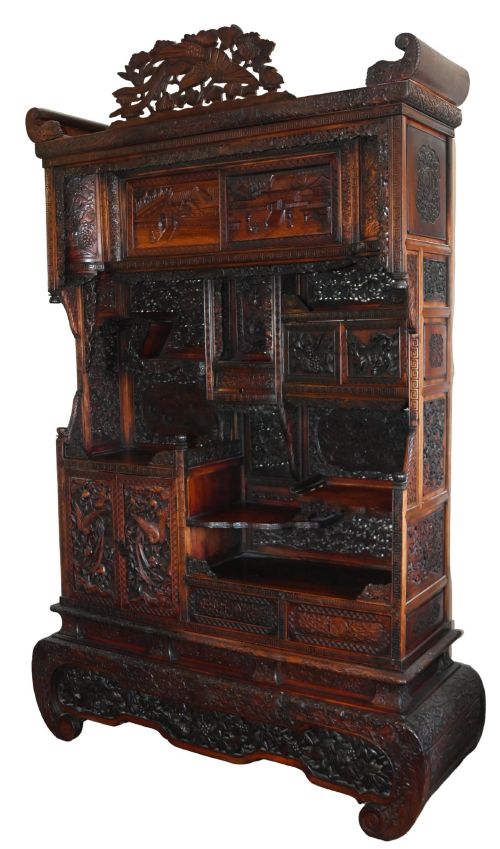
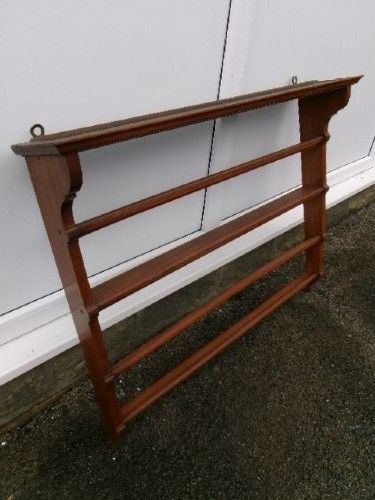
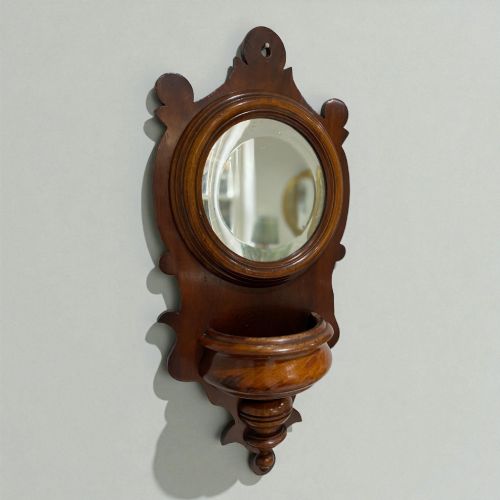
Carved Wooden Shelves
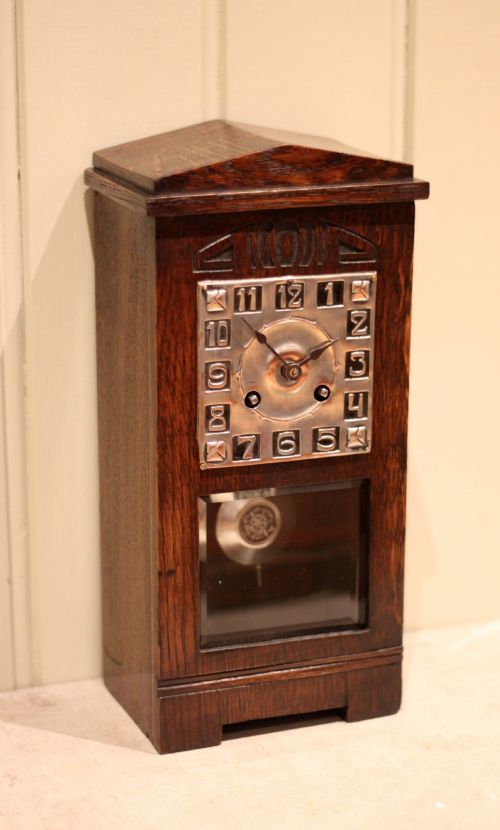
These carved wooden shelves bring solid structure and rich grain to any wall, spanning open bookcases, wall brackets, and corner whatnots.
Carved Wooden Shelves
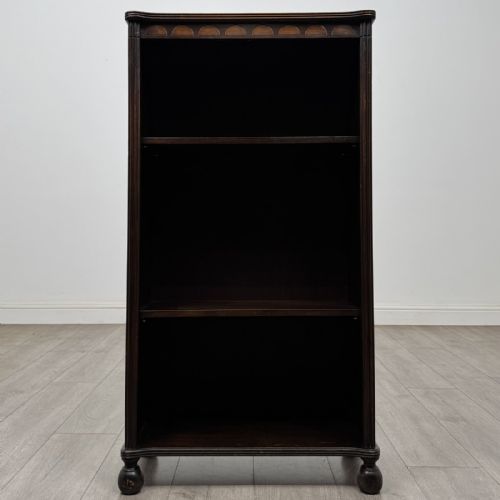
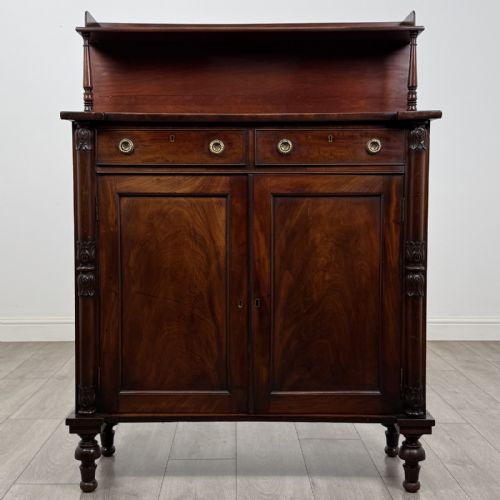
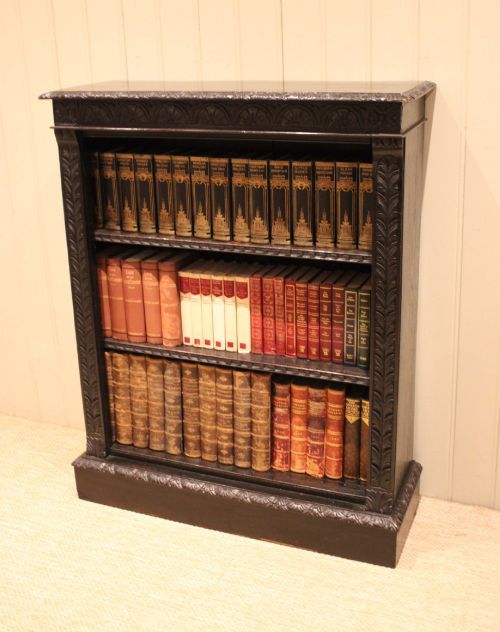
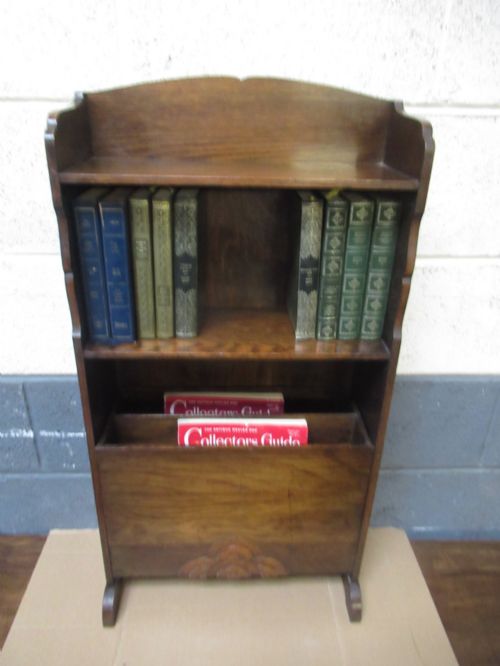
When you search for carved wooden shelves, you encounter pieces designed to hold books, display ornaments, or organise rooms through wall mounting and floor-standing units. The selection on this page ranges from compact wall hanging shelf racks and decorative display brackets to substantial open bookcases and chiffonier bookcases. These items serve functional storage needs while providing architectural interest to domestic interiors.
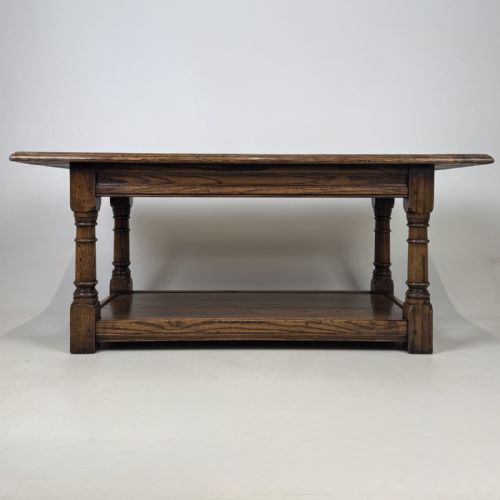
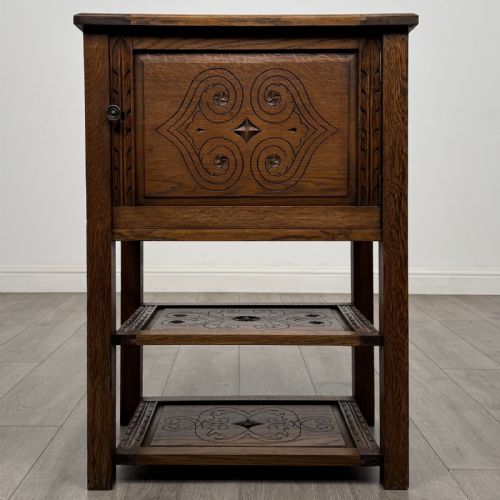
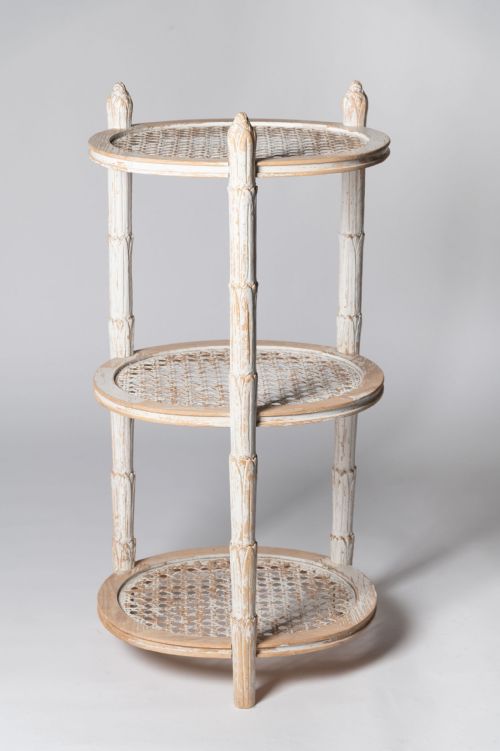
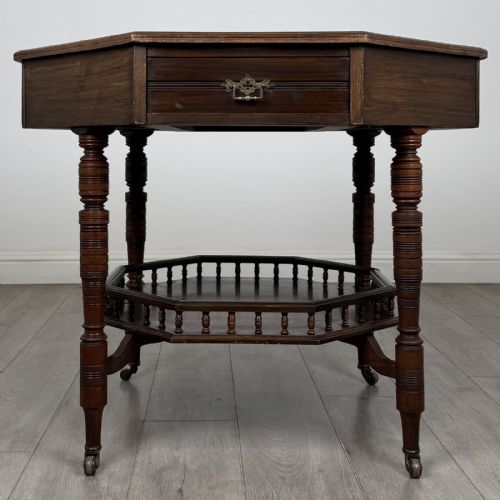
You are most likely to meet Victorian and Edwardian examples fashioned from oak, mahogany, and walnut. Many feature open fronts with adjustable shelving, carved top edges, or galleried sections. Forms also extend to corner whatnots, side tables with integrated tiers, and specialised wall brackets reflecting periods from the eighteenth century through to the early twentieth century.
How they were made
The pieces rely primarily on solid timbers such as oak, mahogany, walnut, and pine, frequently enhanced by flame mahogany veneers and brass hardware. Cabinetmakers utilised traditional joinery techniques, pegging joints on sturdy bookcases and turning wooden supports for barley twist stands and etageres. Carving was executed by hand, ornamenting the crests of bookcases, the borders of wall brackets, and the edges of display shelves.
Surface finishes applied to these woods include polish and wax to protect the grain and bring out the natural depth of walnut and mahogany. Brass components, including hinges, face brackets, and hanging mounts, were secured with slotted screws. Structural elements like adjustable shelf mechanisms allowed owners to alter internal layouts for books and objects of varying heights.
Carved Wooden Shelves Retail Price Guide 2026
Typical asking prices for carved wooden shelves among the pieces listed under this phrase on Sellingantiques today, from the lower quarter to the upper quarter. They describe what is for sale here now, not the wider market.
Object forms span large library bookcases, compact wall racks, corner whatnots, and decorative display brackets.
What varies in quality
Quality in these pieces depends on the selection of timber and the precision of the cabinetmaker's joinery. Dense hardwoods like flame mahogany and figured walnut indicate superior material choice compared to standard pine. The depth and crispness of the hand-carved ornamentation distinguish master craftsmanship from mechanical production.
Structural integrity also separates the upper range from simpler items. Pegged joints, solid back panels, and smoothly functioning adjustable shelf supports demonstrate careful construction that ensures longevity. Well-preserved brass fittings and intact galleried edges further elevate the standing of a piece.
Trevor Page And Co·Ercol
The Carved Wooden Shelves Glossary
- Whatnot
- A set of open shelves standing on legs, used for displaying ornaments or books. These multi-tiered pieces often fit neatly into corners or against walls.
- Bracket
- A supporting member projecting from a wall to carry a shelf or clock. Wall brackets in this selection often feature carved wood and decorative mouldings.
- Chiffonier
- A low bookcase or sideboard equipped with shelves or a drawer. This form developed during the nineteenth century to store books and display decorative ceramics.
- Galleried
- Having a low raised rail or decorative border along the edge of a shelf or table top. This feature helps prevent items from slipping off the surface.
- Barley twist
- A type of turned wooden column resembling the spirals of barley sugar. It appears frequently on the structural supports of Victorian stands and furniture.
Carved Wooden Shelves: Frequently Asked Questions
How do I hang wall shelves safely?
Wall-mounted shelves and brackets require secure fixings into solid masonry or direct wall studs depending on the construction of your room. Distribute weight evenly across the shelves once mounted.
Ensure that the brass hanging brackets or screw holes on the back panel align with appropriate wall anchors to support the weight of the timber and any books or objects placed upon it.
What is the difference between an etagere and a whatnot?
An etagere is typically a French-origin open display piece with multiple tiers used for ornaments, often featuring turned legs or refined woodwork. A whatnot shares the multi-tiered shelving format but often serves a broader utility function in corners or living spaces.
Both forms provide vertical display space while occupying minimal floor area within a room.
How should I clean carved wooden shelves?
Dust the carved sections and flat surfaces regularly with a soft, dry cloth to prevent dirt from settling into the intricate wooden recesses. Avoid using harsh chemical sprays that can strip the traditional wax or polish finish.
Apply a quality beeswax periodically to nourish the grain of oak, mahogany, or walnut, rubbing it gently into the wood and buffing to a soft sheen.