



Carved Wooden Sheath
A carved wooden sheath is a tactile piece of folk art or ethnographica designed to hold blades or aid handcrafts, prized for its intricate hand-carved surface detail.
Carved Wooden Sheath
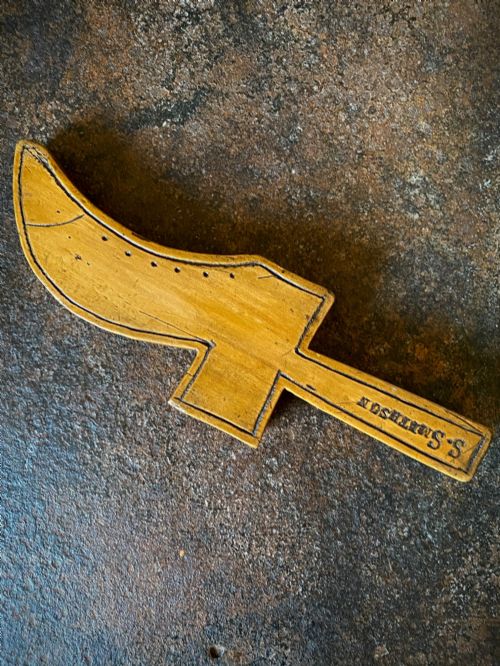
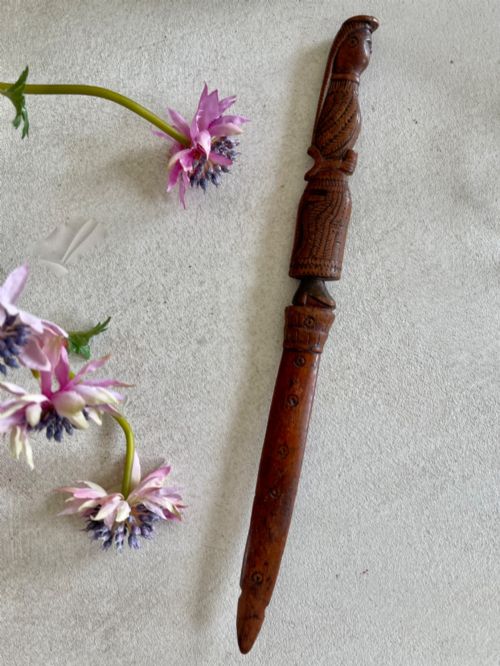
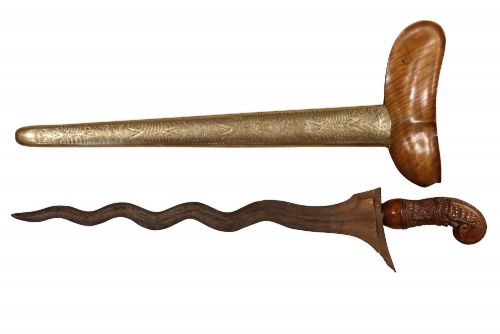
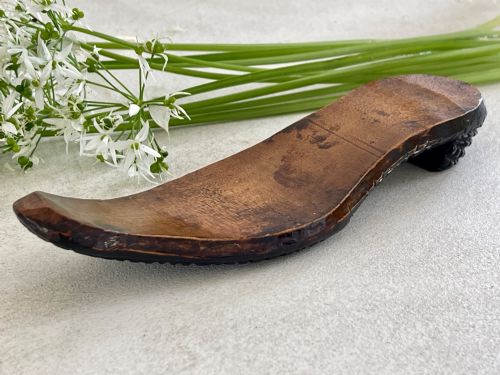
A carved wooden sheath primarily appears here in the form of antique knitting sheaths alongside tribal daggers and regional items. These functional objects range from 18th-century British treen to 19th-century examples originating from English regions like Cumbria and Durham.
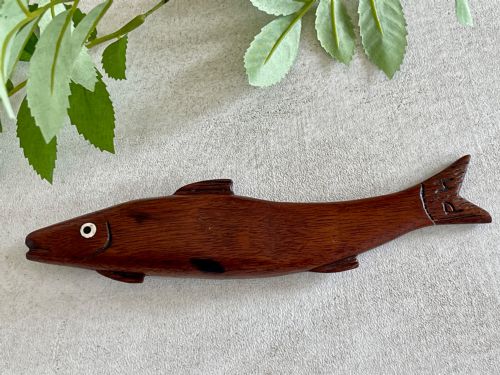
Makers shaped these items into imaginative forms, including fish, goosewing silhouettes, and novelty shoes. Alongside domestic treen, the listings encompass Southeast Asian and African tribal artefacts featuring protective housings.
Buyers encounter folk art traditions spanning Scandinavian, British, and African origins. Each piece reflects the utilitarian needs and decorative customs of past rural and tribal communities.
Materials and construction
Craftspeople utilised local timbers such as fruitwood and denser hardwoods to carve the housings and sheaths. These natural materials provided the necessary strength for items subjected to daily domestic labour or carried as arms.
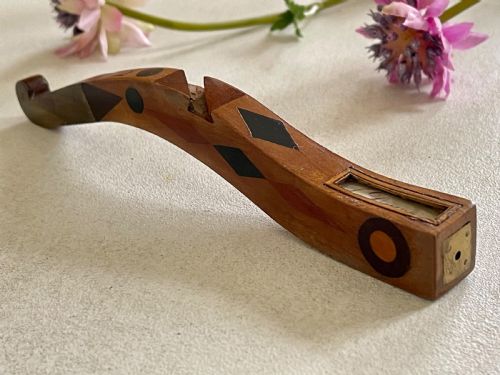
Decoration relied on hand-applied techniques including punchwork, incised line work, and geometric inlay using materials like brass and contrasting woods. Artisans also combined the carved wood with steel blades and leather components on dagger assemblies.
Carved Wooden Sheath Retail Price Guide 2026
Typical asking prices for carved wooden sheath among the pieces listed under this phrase on Sellingantiques today, from the lower quarter to the upper quarter. They describe what is for sale here now, not the wider market.
The listings span the eighteenth and nineteenth centuries, incorporating British folk art, Scandinavian pieces, and African tribal artefacts.
Evaluating craftsmanship and age
Quality rests in the precision and depth of the hand-carved ornamentation, from simple geometric punchwork to elaborate figurative shapes. Crispness in the surviving incised lines and decorative inlays distinguishes superior examples.
The sophistication of the regional form dictates desirability, particularly where novelty silhouettes or specific regional folk traditions like goosewing designs are evident. A well-preserved surface patina demonstrates careful handling and genuine age over centuries of use.
The Carved Wooden Sheath Glossary
- Treen
- Small handmade wooden domestic objects produced before the advent of modern plastics. These pieces served everyday household or craft functions.
- Knitting sheath
- A domestic tool tucked into a belt or apron to support a single knitting needle during hand-production. They often display rich folk art carving.
- Goosewing
- A specific regional shape of knitting sheath resembling the wing of a goose. This form is particularly associated with Cumbrian folk art traditions.
- Punchwork
- A decorative technique using a small tool to strike dots or patterns into the wooden surface. It creates textured borders and geometric motifs.
- Folk art
- Utilitarian items decorated by self-taught makers or local artisans rather than trained professional sculptors. The style reflects regional cultural heritage.
Carved Wooden Sheath: Frequently Asked Questions
What is a knitting sheath used for?
A knitting sheath anchored one needle securely against the body, allowing practitioners to work faster with the remaining hand.
Craftspeople tucked the device into a waistband or apron string while producing stockings and garments at home.
How old are these carved wooden items?
The examples on this page primarily date from the eighteenth and nineteenth centuries.
Some pieces bear specific regional attributions from periods like the Victorian era or earlier Georgian decades.
What woods were used for carving?
Carvers selected dense hardwoods and fruitwoods that resisted splitting during detailed shaping and daily use.
These local timbers accepted fine tool marks, punchwork, and geometric inlay work very well.
How do regional styles differ?
Regional styles reflect the local traditions of British areas such as Cumbria and Durham, alongside Scandinavian and tribal motifs.
Domestic treen focused on whimsical shapes like fish and shoes, whereas other cultures produced utilitarian housings for daggers.