


Carved Wooden Rail
These examples of a carved wooden rail span from the seventeenth century through to the Edwardian period, offering functional utility for hanging garments and towels.
Carved Wooden Rail
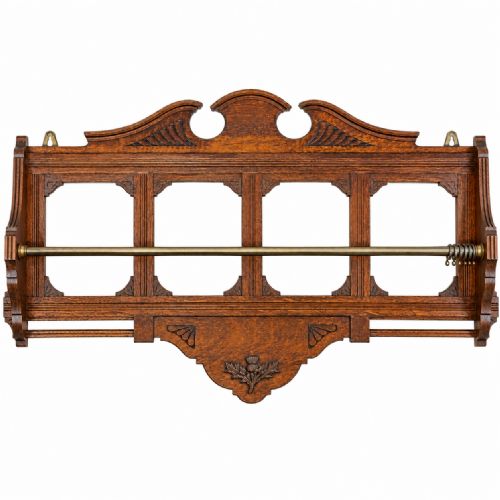
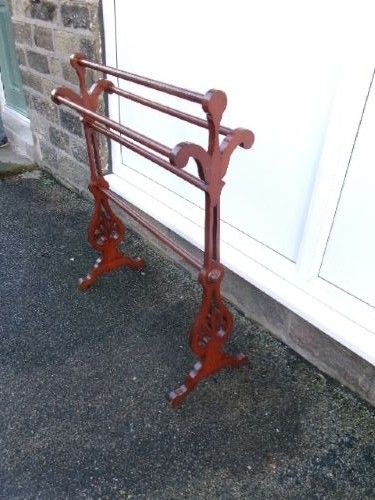
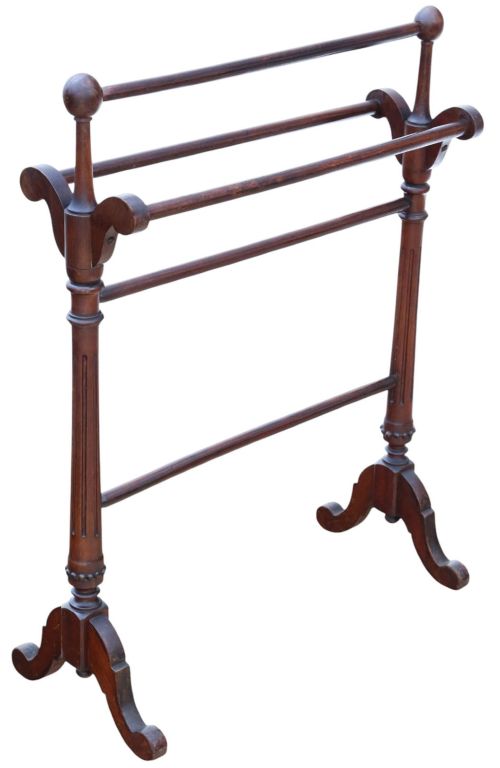
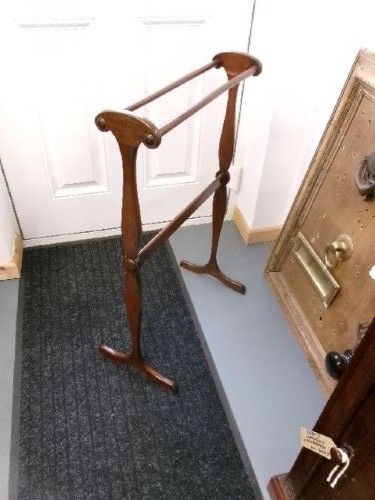
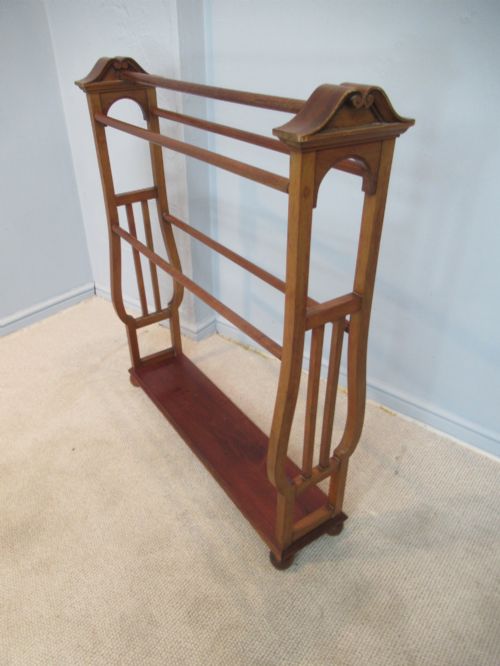
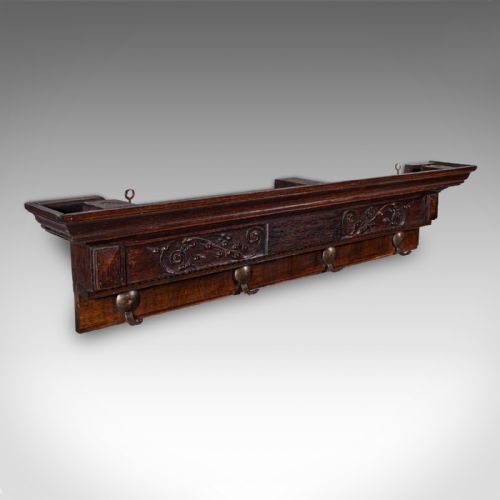
A carved wooden rail primarily serves as a practical fixture or stand for garments and towels within domestic spaces, drawing from various historical periods. The selection includes nineteenth-century towel rail stands alongside earlier oak and mahogany examples designed for cloakrooms.
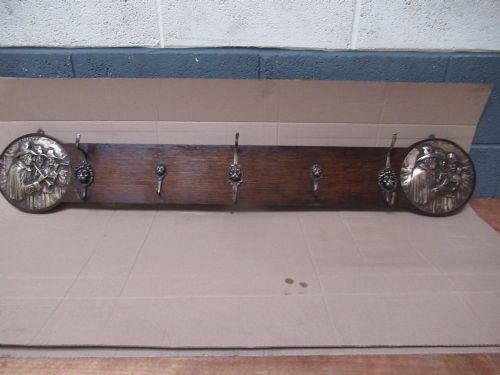
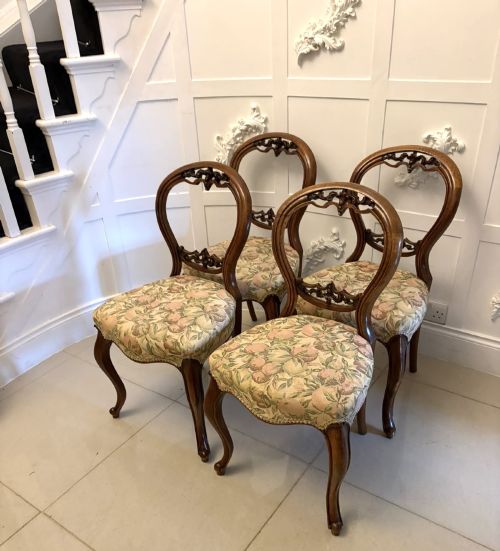
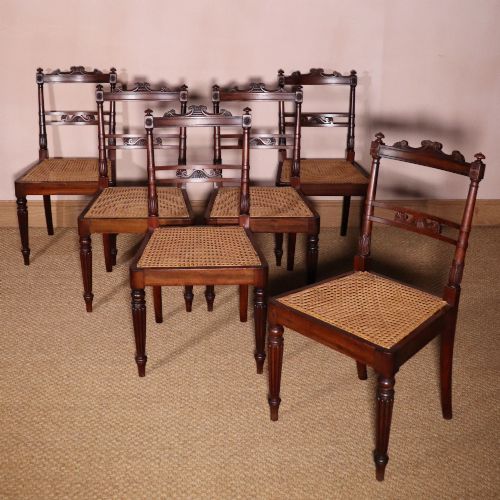
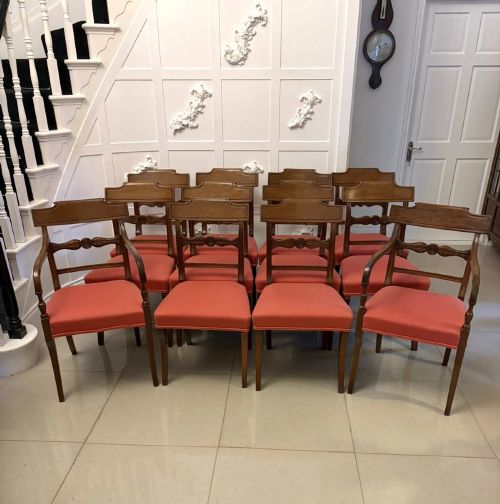
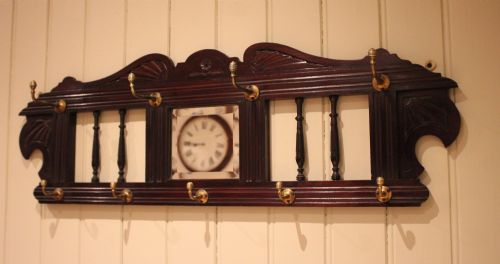
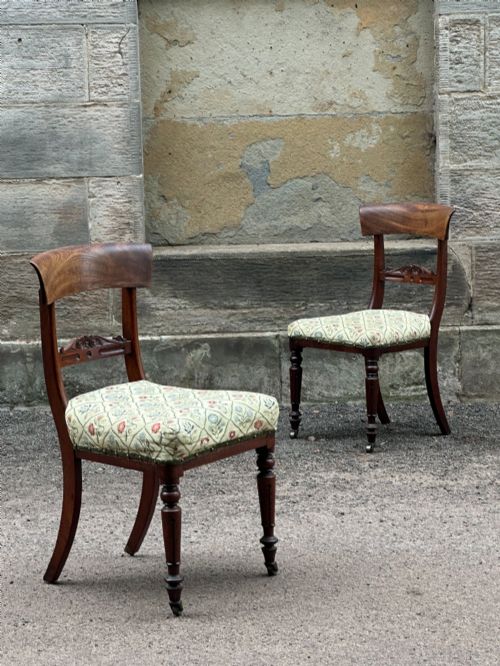
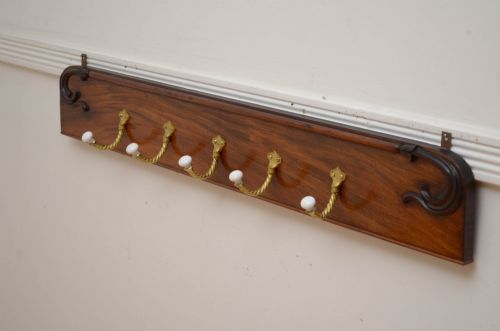
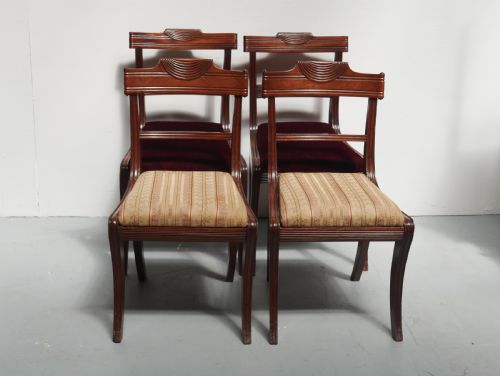
Buyers encounter distinct forms ranging from wall-mounted coat racks equipped with ceramic hooks to freestanding towel rails in walnut and mahogany. The inventory also incorporates related seating furniture featuring notable carved back rails from the Regency and Victorian eras.
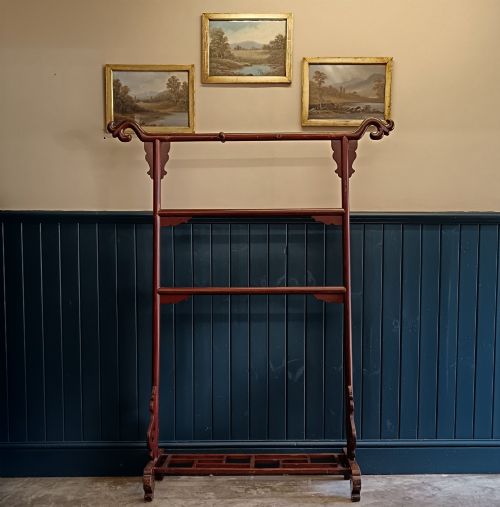
Origins span English country house pieces to Chinese lacquered robe stands, demonstrating diverse cultural interpretations of carved utility rails. Pieces date from the seventeenth century through the Arts and Crafts movement, reflecting changing interior tastes.
Materials and Construction
Construction relies heavily on dense hardwoods such as mahogany and oak, chosen for their structural strength and capacity to hold detailed carving. Walnut and beech appear frequently in seating and hanging fixtures, sometimes paired with brass or ceramic fittings.
Craftsmen utilised traditional joinery techniques, shaping rails and uprights through turning, piercing, and hand-carving methods. Surface finishes range from polished mahogany and lacquered surfaces to simpler waxed oak, preserving the natural grain of the timber.
Carved Wooden Rail Retail Price Guide 2026
Typical asking prices for carved wooden rail among the pieces listed under this phrase on Sellingantiques today, from the lower quarter to the upper quarter. They describe what is for sale here now, not the wider market.
Objects span utilitarian towel rail stands, hanging coat racks, robe stands, and chairs incorporating decorative carved back rails.
Distinction in Craftsmanship
Quality rests upon the crispness of the hand-carving and the integrity of the timber used in the rail's construction. Superior examples display deeply defined decorative motifs and well-proportioned uprights that remain stable under daily use.
The choice of secondary woods and the refinement of subsidiary elements, such as turned spindles or ceramic hooks, separate standard utility items from finer workshop productions. Preservation of the original surface finish also dictates the standing of an individual piece.
Liberty & Co
The Carved Wooden Rail Glossary
- Crest rail
- The top horizontal member of a chair back or furniture frame, often carved or shaped in revival styles.
- Backstool
- An early form of seating without arms, effectively an upholstered or wooden chair with a high back.
- Robe stand
- A freestanding wooden frame or horse utilised for airing and hanging garments in a bedchamber.
- Klismos chair
- An ancient Greek chair form characterised by curved legs and a sweeping concave back rail, revived in Regency design.
Carved Wooden Rail: Frequently Asked Questions
What is a towel rail stand?
A towel rail stand is a freestanding wooden frame designed to hold damp towels for drying in domestic quarters.
These pieces typically feature multiple horizontal rails supported by sturdy feet and uprights, allowing placement anywhere in a room without wall fixings.
How were coat racks used?
Coat racks served as primary hanging storage for outerwear and accessories in hallways, reception rooms, and cloakrooms.
They were fixed securely to walls or incorporated into larger hall stands, often fitted with metal, wood, or ceramic hooks.
How do I date a wooden rail?
Dating relies on identifying the prevailing style, timber species, and construction methods characteristic of specific centuries.
For instance, seventeenth-century examples utilise joined oak with hand-carved panels, whereas nineteenth-century pieces frequently employ mahogany and turned elements.
Where should I place these pieces?
These rails and racks suit traditional hallways, bathrooms, and bedrooms where functional hanging space is required.
Freestanding towel stands and coat racks integrate easily into existing interiors while offering authentic period character.