


Carved Wooden Plaque
A carved wooden plaque brings texture and depth to an interior, offering centuries of hand-chiselled detail from oak, walnut and pine.
Carved Wooden Plaque
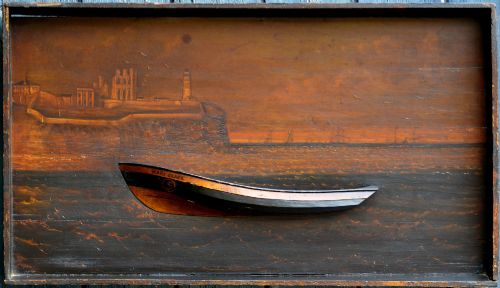
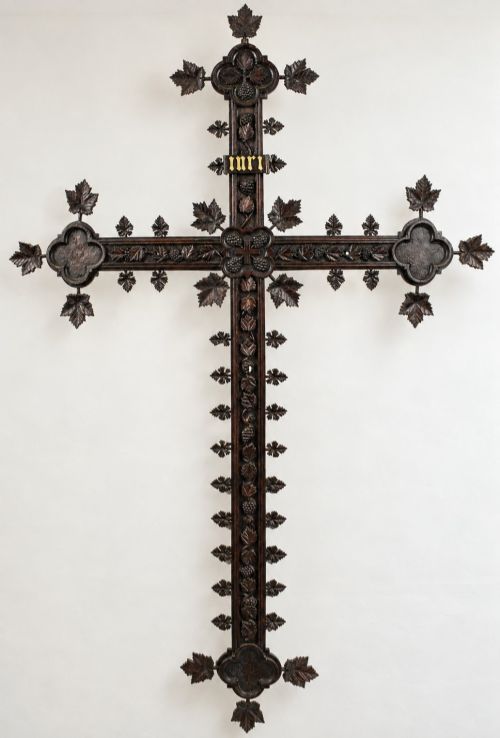
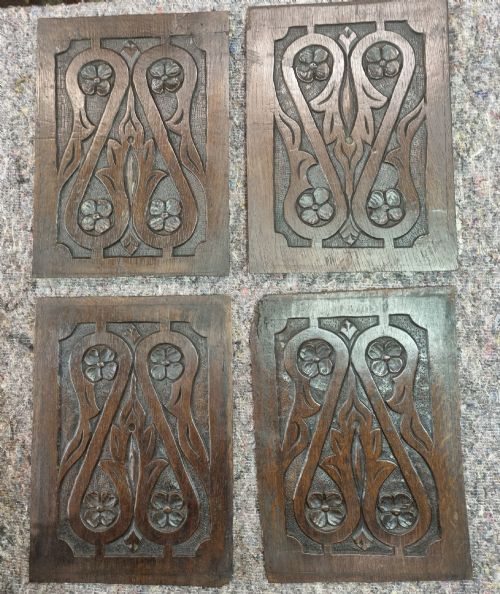
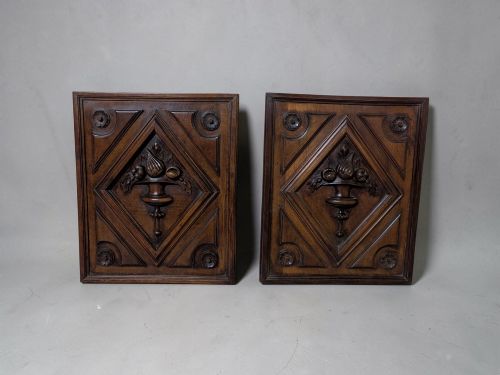
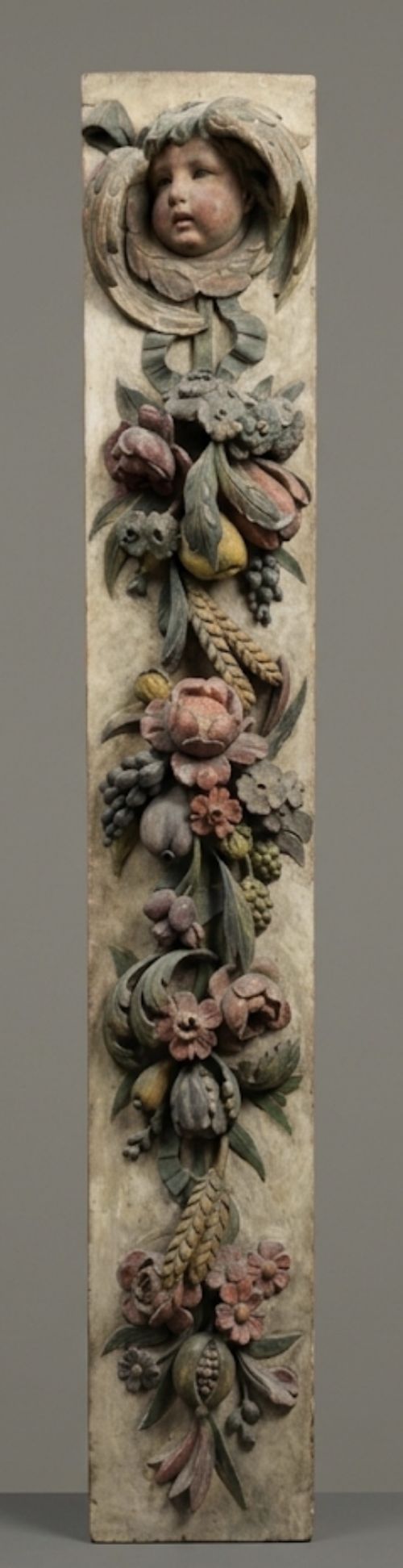
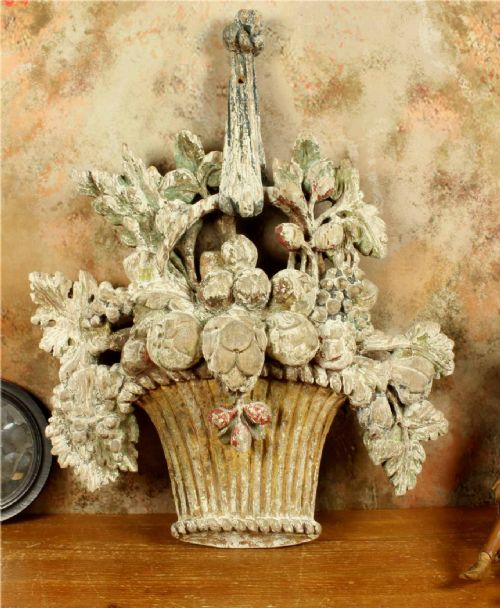
When you search for a carved wooden plaque, you encounter wall reliefs, architectural salvage, and decorative panels spanning several centuries. These pieces function primarily as wall art, bringing historical narratives and natural motifs directly into domestic spaces.
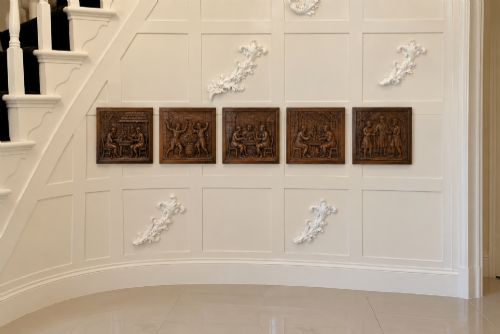
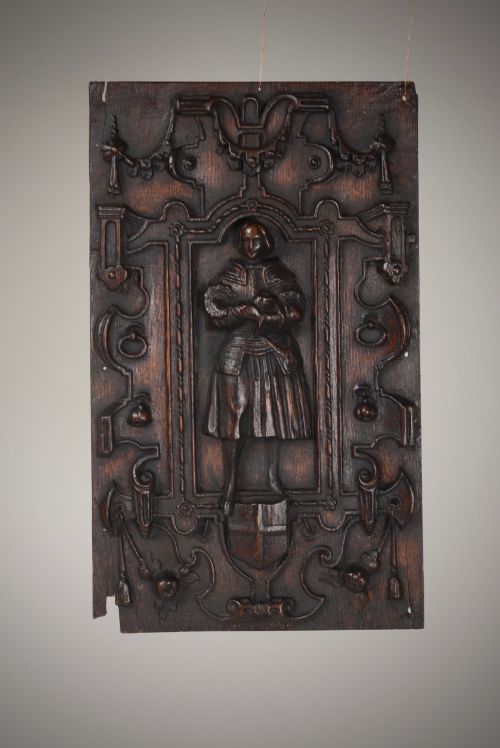
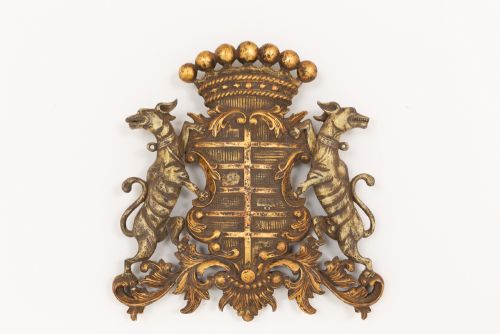
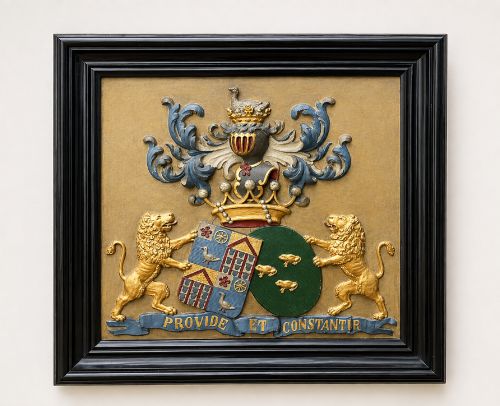
The most common versions on this page are rectangular oak panels and figurative wall carvings originating from the seventeenth, eighteenth, and nineteenth centuries. Examples range from European tavern scenes and heraldic shields to Chinese temple panels and folk art carvings.
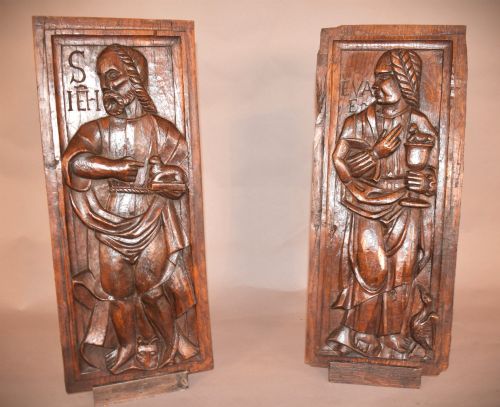
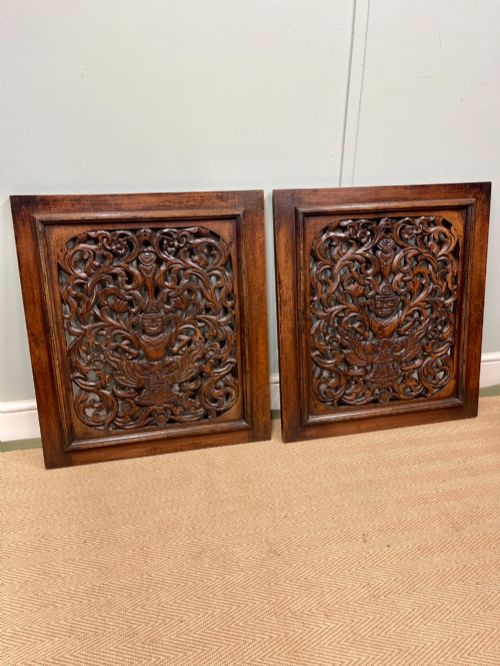
Originating as furniture fragments, church salvage, or dedicated wall art, these items retain the utilitarian or devotional purpose of their original creation. Many survive as pairs or sets, intended originally to line a specific room or adorn a substantial piece of cabinetry.
How They Were Made
Cabinetmakers and carvers utilised dense hardwoods such as oak, walnut, and chestnut, which held fine chisel marks without splintering. Timber was seasoned, planed, and worked with gouges and parting tools to achieve high relief or deep intaglio depth.
Surface treatments varied according to period and region, incorporating oil finishes, wax polish, polychrome paint, or gold leaf. Some panels integrated lacquer and shell inlay, particularly in examples originating from Asian workshops.
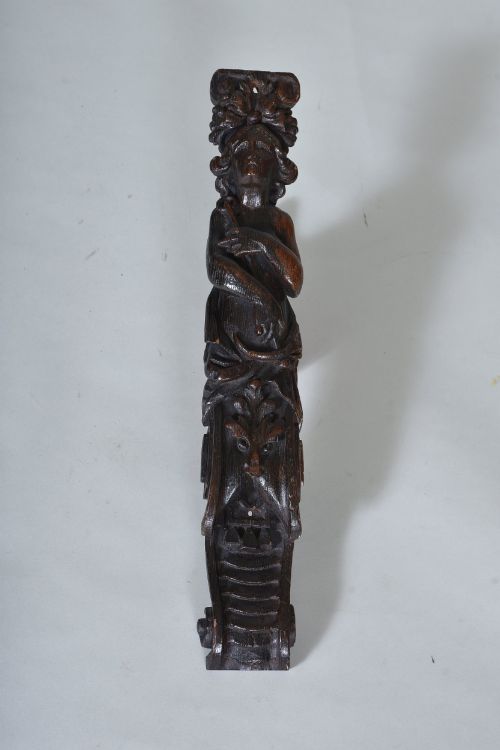
Certain items began life as architectural elements, church fittings, or furniture components before being adapted into wall plaques in later centuries. This recycling of timber resulted in surfaces bearing the tool marks of traditional joinery alongside accumulated patination.
Carved Wooden Plaque Retail Price Guide 2026
Typical asking prices for carved wooden plaque among the pieces listed under this phrase on Sellingantiques today, from the lower quarter to the upper quarter. They describe what is for sale here now, not the wider market.
The selection includes architectural salvage, heraldic shields, religious reliefs, and folk art animal trophies.
What Varies in Quality
The depth of the carving and the sharpness of the chisel work distinguish superior plaques from simpler decorative items. Master carvers achieved anatomical accuracy in figurative subjects and subtle, undercut foliage that creates genuine shadow and perspective.
The integrity of the timber and the quality of the original grain heavily influence the visual success of the piece. Well-selected oak or walnut displays a rich, natural figure that enhances the carved composition rather than competing with it.
Provenance and historical coherence separate standard decorative fragments from significant works of art. Pieces retaining their original polychrome paint, gilding, or untruncated composition command greater attention from collectors.
The Carved Wooden Plaque Glossary
- Bas-relief
- A sculptural technique where the figures project only slightly from the background plane. This shallow carving style appears frequently on decorative wall panels.
- Linenfold
- A style of wood carving that imitates folded linen, popular on sixteenth and seventeenth-century panels. It gives a flat wooden surface the appearance of draped cloth.
- Polychrome
- The practice of decorating architectural elements or wood carvings in a variety of colours. Painted surfaces survive on selected historical panels and folk art pieces.
- Heraldic
- Pertaining to coats of arms and armorial bearings. Heraldic plaques display specific family lineages and noble insignia.
- Intaglio
- A design carved into the material rather than raised above it. This technique forms the reverse of relief carving.
Carved Wooden Plaque: Frequently Asked Questions
How do I hang a heavy wooden plaque?
Heavy carved panels require secure wall anchoring, typically utilising sturdy brass brackets or mirror plates screwed directly into the timber frame. Ensure the fixings engage with wall studs or appropriate masonry plugs to support the weight safely.
Position the plaque at eye level where the natural directional lighting highlights the depth of the carving. Avoid placing heavy wooden items in areas subject to extreme humidity fluctuations, which can cause the timber to warp.
How should I clean an antique carved plaque?
Dust the carved recesses gently using a soft-bristled artist's brush or a dry microfiber cloth. Avoid commercial liquid cleaners or polishes that can strip historical wax and accumulate within the fine chisel marks.
Apply a microcrystalline wax sparingly if the timber appears dry, buffing it gently after application. This protects the wood without altering the natural patina developed over centuries.
Are these plaques from churches?
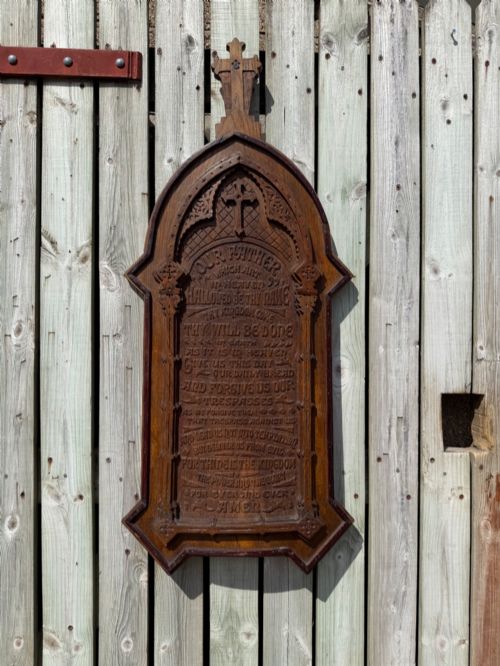
Many historical wooden panels originated as architectural salvage from ecclesiastical settings, domestic timber framing, or dismantled furniture. Such pieces often feature religious iconography, saints, or biblical narratives.
Other examples derive from secular environments, including guild halls, noble residences, and marine workshops. Examining the subject matter and wood type usually clarifies the original context of the carving.
How do I date a wooden carving?
Dating relies on assessing the tool marks, timber species, style, and wear patterns visible across the piece. Hand-riven timber and adze marks indicate earlier manufacturing methods predating mechanised sawmills.
Stylistic indicators, such as Gothic tracery or Baroque scrolls, provide broad chronological parameters. Comparing construction joints and backing boards helps differentiate period originals from later interpretations.