



Carved Wooden Paws
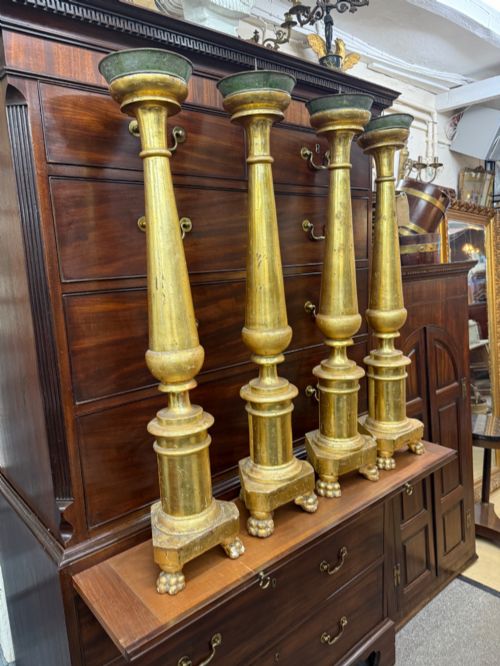
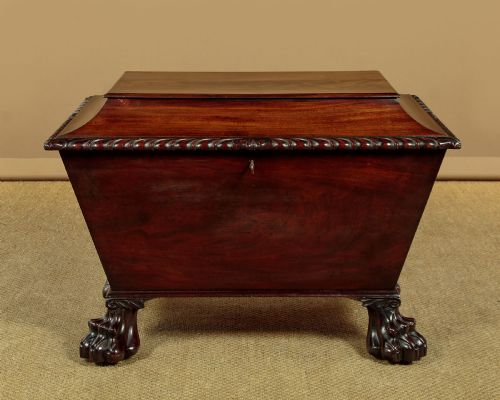
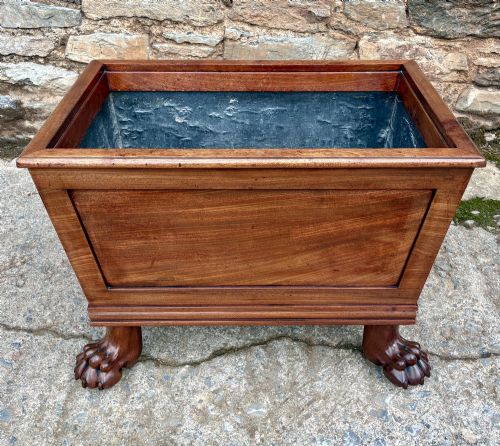
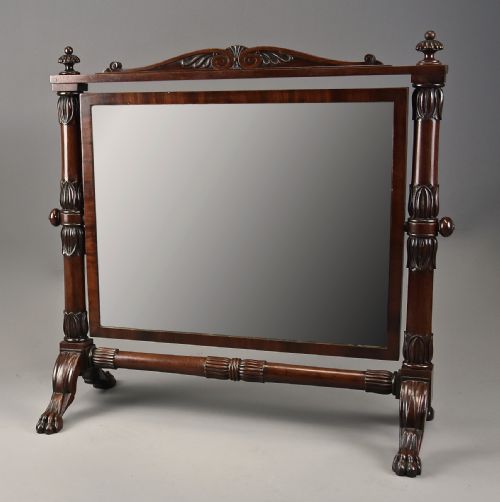
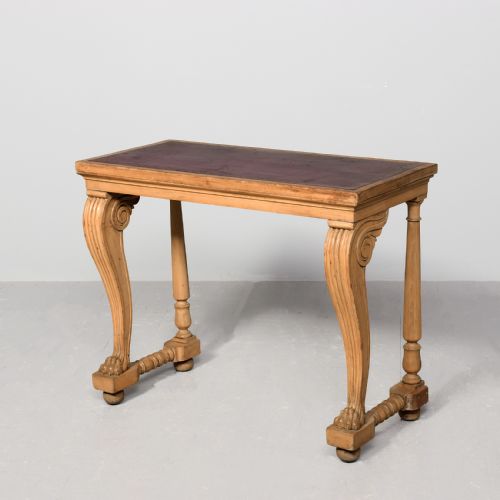
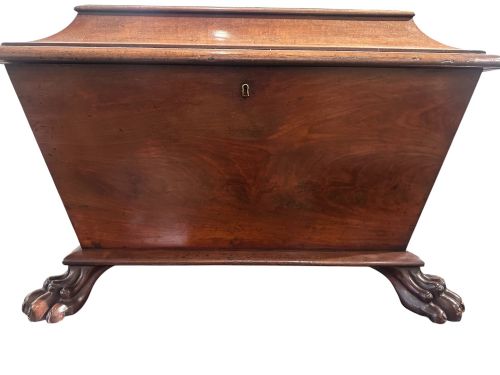
These carved wooden paws anchor grand furniture like cellarettes, wine coolers and console tables from the Georgian and Regency periods.
Carved Wooden Paws
When you search for carved wooden paws, you encounter structural supports and decorative feet carved directly from timber or applied to heavy serving furniture. These elements appear most frequently on large cellar storage pieces and central tables designed to command a formal dining room.
The objects carrying these feet date primarily from the Georgian, Regency, and Victorian eras, spanning the nineteenth century. Cellarettes and wine coolers in sarcophagus shapes represent the most common forms utilising this motif.
Makers shaped these supports to echo powerful animal forms, giving visual weight to heavy mahogany and walnut carcases. The paws anchor the corners of massive sideboards, console tables, and freestanding pedestals.
Materials and construction
Cabinetmakers turned primarily to dense hardwoods such as mahogany, Cuban mahogany, flame mahogany veneer, walnut, and oak to carve these sturdy supports. These timbers held fine detail under the chisel while supporting the heavy load of a sarcophagus wine cooler or centre table.
Carpenters joined the carved elements directly to the base mouldings of large case pieces or mounted them beneath heavy pedestals. Metal collars or brass elements sometimes reinforced the joints where the timber met the floor.
Carved Wooden Paws Retail Price Guide 2026
Typical asking prices for carved wooden paws among the pieces listed under this phrase on Sellingantiques today, from the lower quarter to the upper quarter. They describe what is for sale here now, not the wider market.
Listings feature items from the 17th century through the Victorian era, executed in mahogany, walnut, and oak.
Judging the carving
The distinction between ordinary and superior pieces lies in the depth and anatomical precision of the carving. Master carvers defined individual claws, fur texture, and knuckle joints with sharp, confident chisel work rather than soft, rounded smoothing.
Proportion dictates the overall success of the piece, where the scale of the carved paws matches the immense mass of the mahogany or walnut body above them. Timbers selected for high-status commissions display rich grain patterns and consistent colour across the entire foot and leg assembly.
James Mein of Kelso·P and MA Nicholson·George Smith
The Carved Wooden Paws Glossary
- Cellarette
- A lockable container used for storing wine bottles in the dining room during the eighteenth and nineteenth centuries. These vessels frequently took a sarcophagus shape supported by carved paws.
- Sarcophagus
- A monumental container design with a sloping lid and heavy moulded base, popular during the Regency period. This architectural form often rested directly upon substantial carved wooden paws.
- Cuban Mahogany
- A dense, dark timber imported from the Caribbean used extensively for high-end furniture during the Georgian and Regency eras. Cabinetmakers valued it for its deep colour and ability to hold crisp carved details.
- Console Table
- A wall-mounted or freestanding table designed for formal reception rooms, often positioned beneath a mirror. These heavy tables regularly utilised carved animal feet for structural grounding.
Carved Wooden Paws: Frequently Asked Questions
What furniture uses carved wooden paws?
These carved supports appear primarily on large dining room storage pieces and heavy tables. Sarcophagus wine coolers, cellarettes, console tables, and centre tables utilise them most frequently.
Such furniture relies on the visual and physical strength of these feet to anchor large wooden bodies made from dense hardwoods like mahogany and walnut.
Which periods feature carved wooden paws?
The pieces carrying these carved supports belong mainly to the Georgian, Regency, and Victorian eras. Most examples date across the nineteenth century, from the 1800s through the 1890s.
Cabinetmakers working in these styles drew heavily on classical motifs, incorporating animal forms into domestic furniture design.
How were these furniture pieces used?
Cellarettes and wine coolers served to store and cool wine bottles close to the dining table during formal meals. Console tables and centre tables provided decorative display surfaces in large reception rooms.
Their heavy construction allowed them to hold substantial loads of bottled wine or tableware safely while remaining static on dining room floors.
What woods do makers use?
Craftmen selected hard, durable timbers that could withstand heavy loads and hold sharp chisel details. Mahogany, Cuban mahogany, flame mahogany veneer, walnut, and oak dominate the available examples.
These dense woods provided the structural integrity required for large serving furniture resting on four distinct corner supports.