

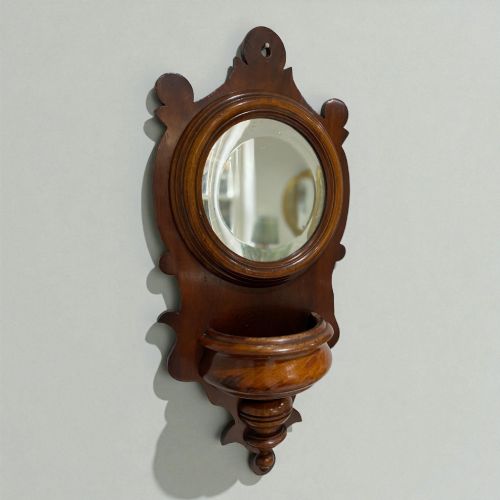
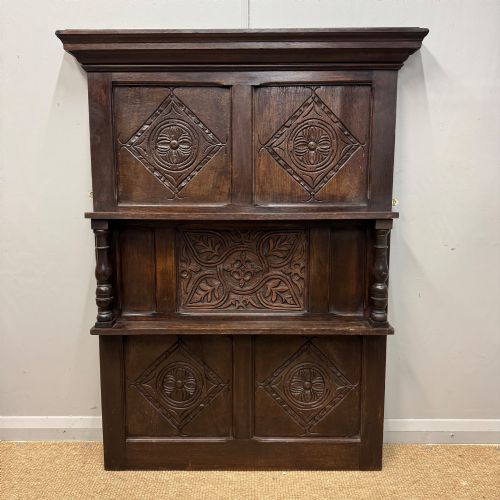
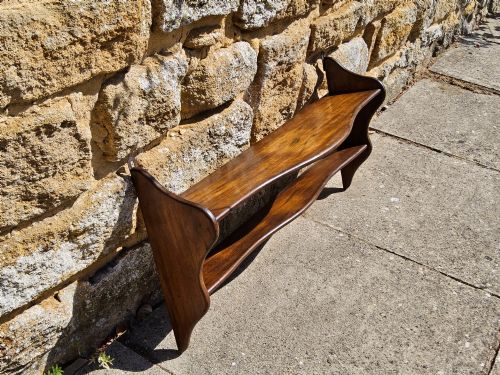


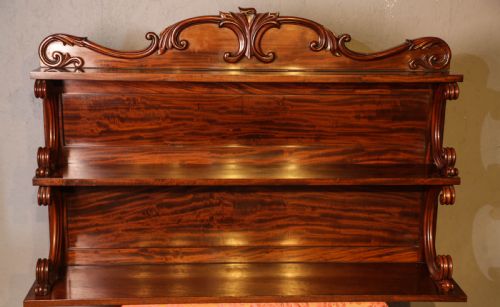


Carved Wooden Hanging Shelf
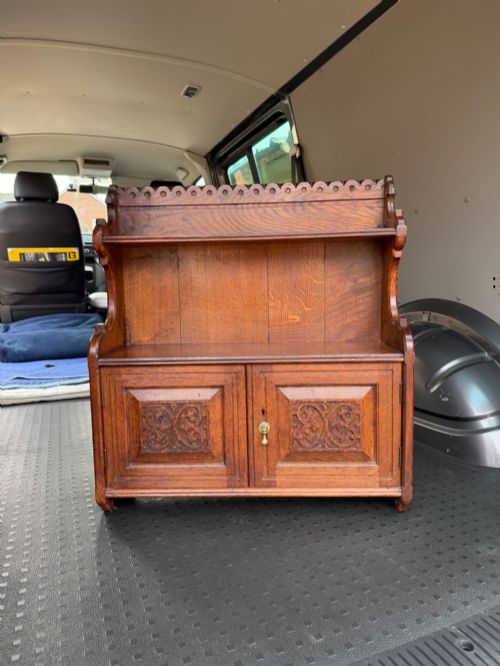
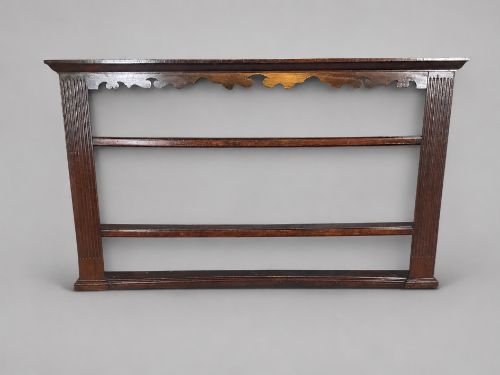
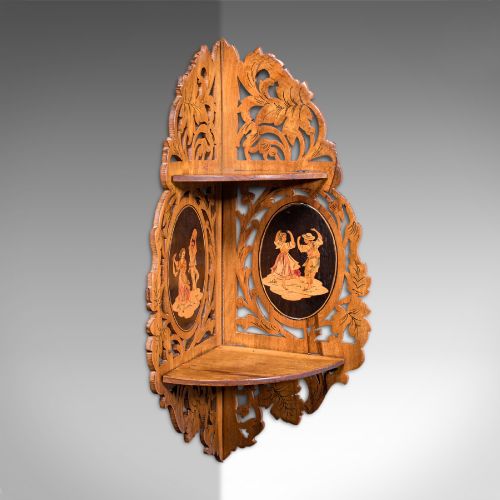
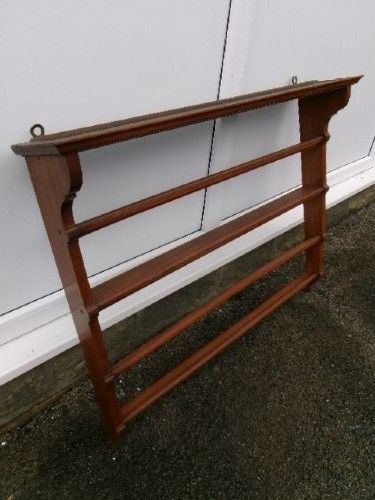
These carved wooden hanging shelf examples offer practical display space while bringing period character to a wall.
Carved Wooden Hanging Shelf
A carved wooden hanging shelf is a wall-mounted storage piece designed to hold books, small ornaments or plates without occupying floor space. When searching for a carved wooden hanging shelf, buyers encounter a variety of forms including corner shelves, wall cabinets and bracket mirrors fitted with ledges.
The selections span from the seventeenth century through the Edwardian era, taking in Victorian Gothic Revival, Arts and Crafts and Sorrento styles. Mahogany, oak and walnut predominate, often complemented by boxwood inlay or hand-painted details.
Most items serve domestic settings such as halls, bedrooms and living rooms where vertical display is useful. Compact wall brackets and larger overmantel panels also appear within this group.
How they were made
Cabinetmakers utilised solid timbers including mahogany, walnut and oak, often selecting denser woods to support structural ledges. Joinery methods relied on sturdy fixings and back panels to ensure stability when suspended from a wall.
Decorative work involved hand carving, fretwork and contrasting boxwood inlay, particularly within Victorian Sorrento and Arts and Crafts examples. Some pieces incorporate glass panels, brass fittings or hand-painted surfaces to enhance the timber grain.
Carved Wooden Hanging Shelf Retail Price Guide 2026
Typical asking prices for carved wooden hanging shelf among the pieces listed under this phrase on Sellingantiques today, from the lower quarter to the upper quarter. They describe what is for sale here now, not the wider market.
The listings on this page span timbers including mahogany, walnut, oak, satin birch, limewood and padouk.
What varies in quality
The standard of a carved wooden hanging shelf depends on the crispness of the timber carving and the precision of the joinery. Superior examples display thoughtful proportions and clean integration between the supporting brackets and the display ledges.
Material selection further separates standard production from finer pieces, seen in the choice of figured mahogany, rich walnut or intricate inlaid borders. Original hanging mechanisms and well-preserved surface patination indicate careful historical upkeep.
The Carved Wooden Hanging Shelf Glossary
- Bracket
- A supporting architectural member projecting from a wall to carry a weight. In these pieces, small wooden brackets often bear the load of the display shelf.
- Overmantel
- A decorative panel or mirror placed above a fireplace mantelpiece. Some examples incorporate integrated shelving for small ornaments.
- Inlay
- A technique where pieces of contrasting material such as boxwood are inserted into depressions within the base timber to form decorative patterns. Sorrento work frequently employs this method.
- Fretwork
- Ornamental design executed by cutting patterns through thin wood using a fretsaw. This technique appears on lighter hanging shelves and brackets.
Carved Wooden Hanging Shelf: Frequently Asked Questions
How do I hang a heavy wooden shelf safely?
Heavy wall shelves require appropriate fixings matched to the wall construction, whether solid brick or lath and plaster. Securing the piece directly into wall studs ensures the weight of the timber and displayed items is held firmly.
Checking the original hanging points on the back of the frame helps determine if supplementary brackets are necessary for secure installation.
Can these shelves support heavy books?
Most hanging shelves are designed for lighter decorative objects, small ceramics or single volumes rather than heavy reference libraries. Compact shelf units and corner brackets suit lighter displays best.
Heavier items risk straining the historical joints and wall fixings if placed on lighter nineteenth-century ledges.
How do I clean antique polished wood?
Dusting with a soft, dry cloth removes everyday particles without harming the aged surface. Avoiding modern silicone sprays protects the original timber patination.
Applying a traditional beeswax polish occasionally maintains the moisture and natural sheen of mahogany, oak and walnut surfaces.
How do I date a wooden wall shelf?
Dating relies on observing timber choices, construction techniques and stylistic markers such as Victorian Gothic Revival or Edwardian inlay. Tool marks on the reverse and the type of fixings also provide clues to the period of manufacture.
Comparing the decorative motifs with dated examples from the same stylistic movement helps narrow down the decade.