
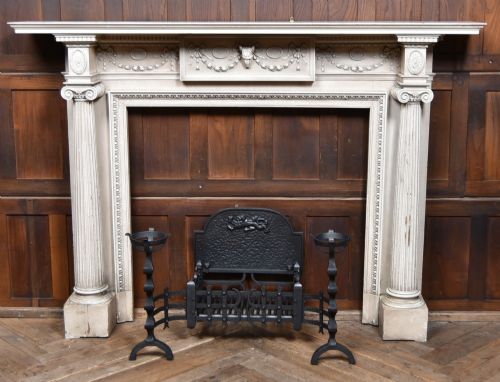
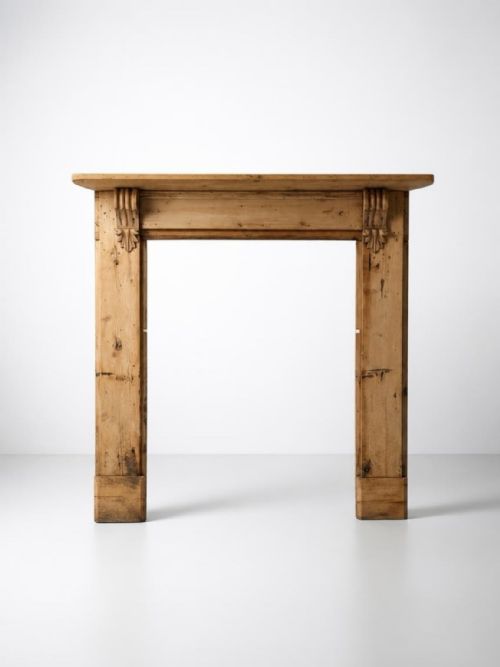
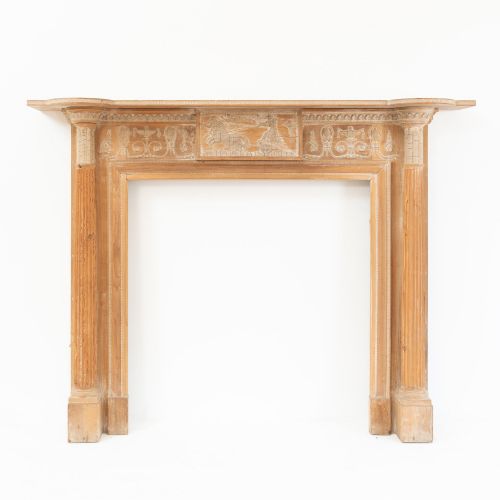
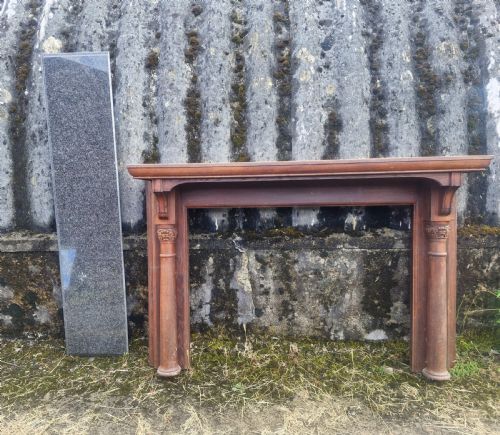


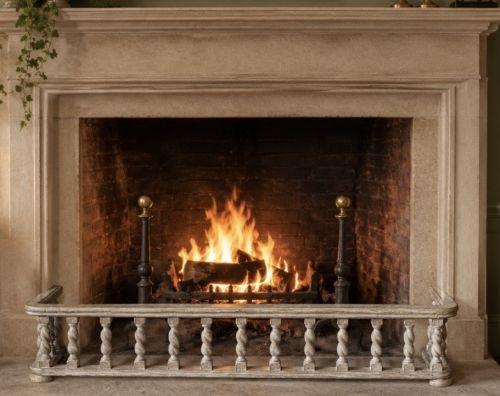


Carved Wooden Fire Surround
A carved wooden fire surround anchors a room with period proportion and craftsmanship, transforming an ordinary hearth into the focal point of an interior.
Carved Wooden Fire Surround
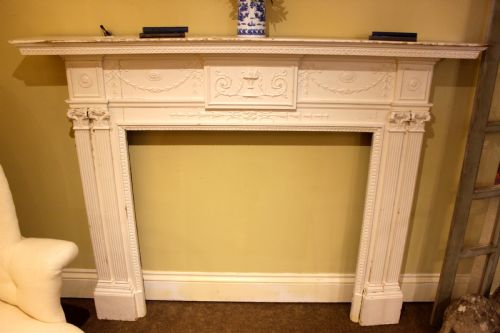
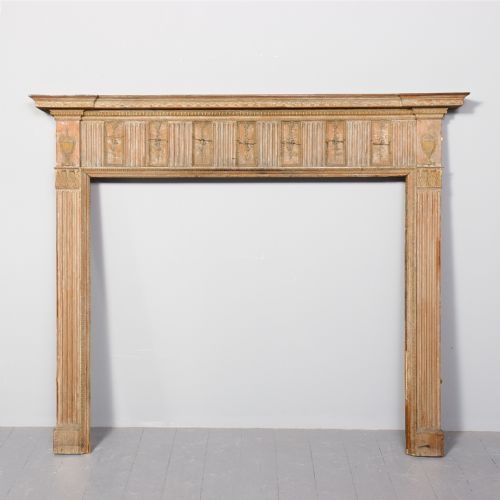
When you search for a carved wooden fire surround, you encounter architectural woodwork designed to frame a domestic hearth. These pieces range from substantial Georgian neo-classical chimney pieces to compact Edwardian and Victorian variants.
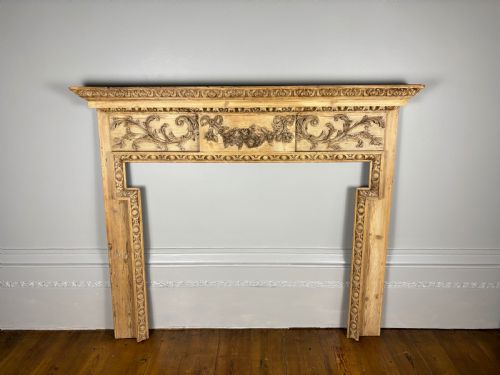
The selections span multiple eras including Georgian, Victorian, Edwardian, and Art Deco periods. You are most likely to meet pine examples, often painted or carved, alongside oak, mahogany, pitch pine, and elm.
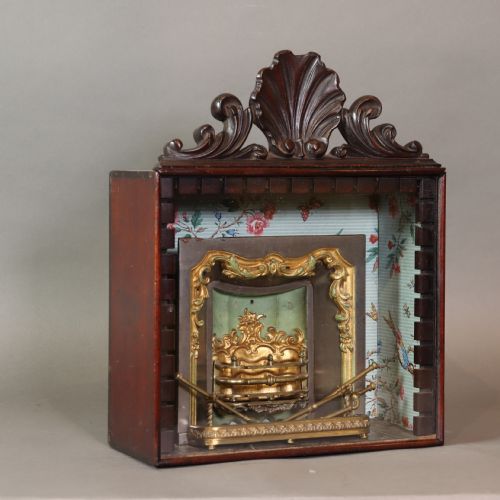
Forms extend beyond standard fireplace surrounds to include fireplace fenders and miniatures. Each specimen reflects the architectural ambitions of its original period, carrying distinct decorative motifs from simple mouldings to elaborate fretwork columns.
How they were made
Carpenters and joiners utilised solid softwoods and hardwoods such as pine, oak, and mahogany for the primary structural framework. Surfaces often received hand-carved ornamentation directly into the timber or applied gesso details.
Many historical examples were originally finished with paint or left as bare wood, while others incorporate materials like granite tops. Joinery methods relied on traditional techniques appropriate to the respective centuries of manufacture.
The inventory includes architectural elements ranging from large chimney pieces by Sir Edwin Lutyens to compact Victorian salesman miniatures.
What varies in quality
The depth and crispness of the hand-carved detail distinguish finer architectural pieces from simpler joinery. Superior examples demonstrate thoughtful proportion, balanced neoclassical or arts and crafts motifs, and careful preservation of original timber surfaces.
The integrity of the timber, the subtlety of applied gesso work, and the handling of architectural mouldings govern the overall standing of a chimney piece.
Sir Edwin Lutyens
The Carved Wooden Fire Surround Glossary
- Chimney piece
- An architectural framework surrounding a fireplace opening, including the mantel shelf and jambs. This term often applies to grander, formal examples from the Georgian and Victorian periods.
- Gesso
- A plaster-like material applied to wood and carved or moulded into decorative relief details. It frequently appears on Regency and Georgian mantelpieces.
- Fender
- A low metal or wooden guard placed on the floor in front of a fireplace to contain sparks and ash. Adjustable club versions are associated with the Arts and Crafts era.
- Mantelpiece
- The shelf and framing structure positioned above a fireplace opening. It serves as a display ledge for decorative objects within a room.
Carved Wooden Fire Surround: Frequently Asked Questions
How do I choose the right size fire surround?
Measure the height and width of your fireplace opening and check the internal dimensions of the surround to ensure correct clearance. Consider the proportions of the room and the height of the ceiling when selecting a grander chimney piece.
Take note of the mantel shelf length and the overall footprint to guarantee the piece sits comfortably against your chimney breast.
How do I clean and maintain a wooden fire surround?
Dust the timber regularly with a soft, dry cloth to prevent the accumulation of soot and grime. Avoid harsh chemical cleaners that can strip historic paint finishes or damage exposed grain.
Apply appropriate wax sparingly to unpainted hardwoods to nourish the timber and maintain a natural sheen over time.
What is the difference between a pine and an oak surround?
Pine is a softer wood that was frequently painted or gessoed, offering a smoother surface for intricate classical detailing. Oak provides a denser, more durable structure with a prominent grain pattern suited to Arts and Crafts and Edwardian aesthetics.
Both materials respond differently to interior humidity, influencing how the timber ages within a domestic setting.