


Carved Wooden Case
When you handle a carved wooden case, you hold centuries of joinery and craft designed to protect, display or house treasures.
Carved Wooden Case
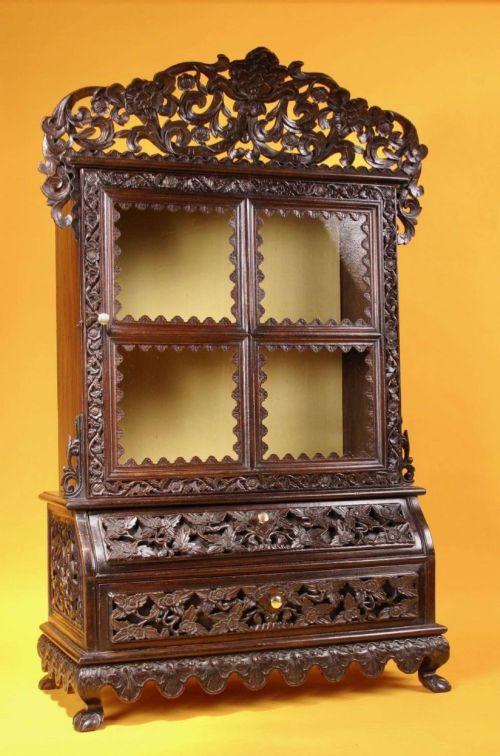
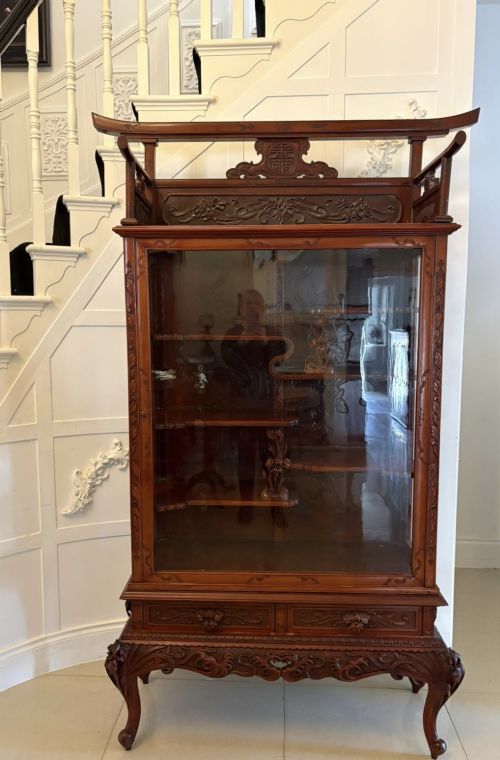
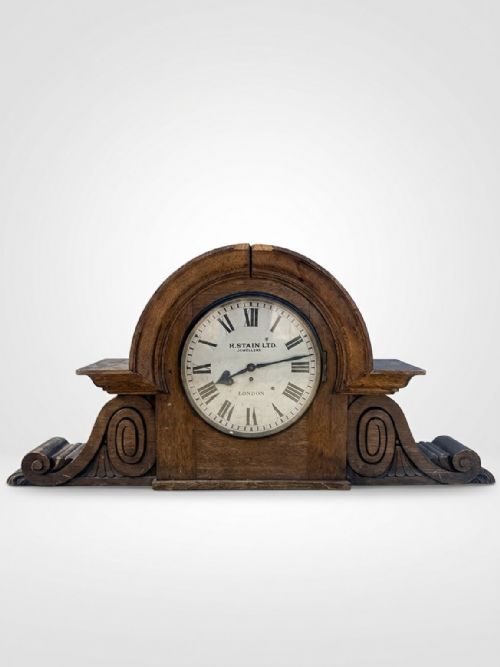
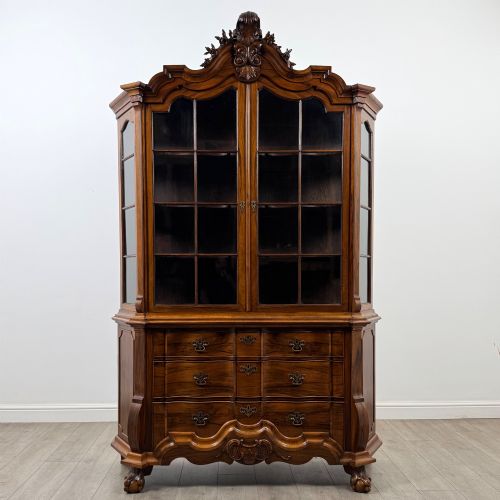
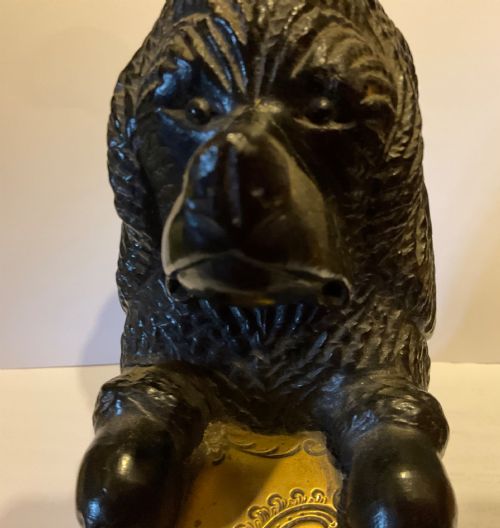
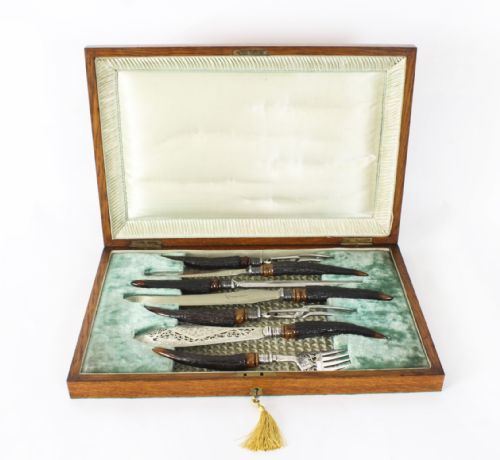
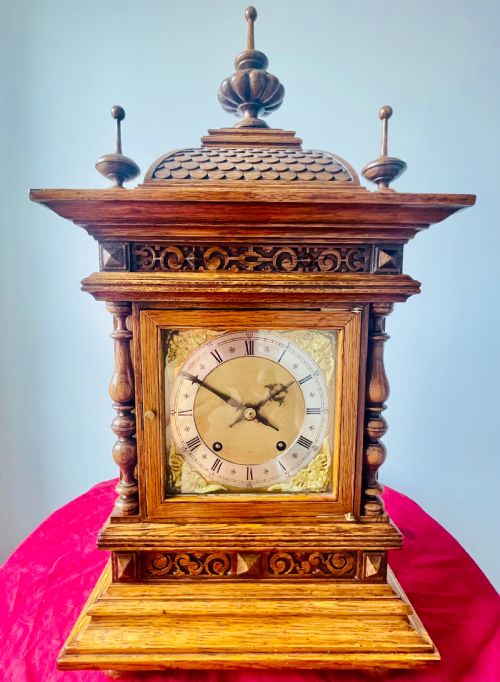
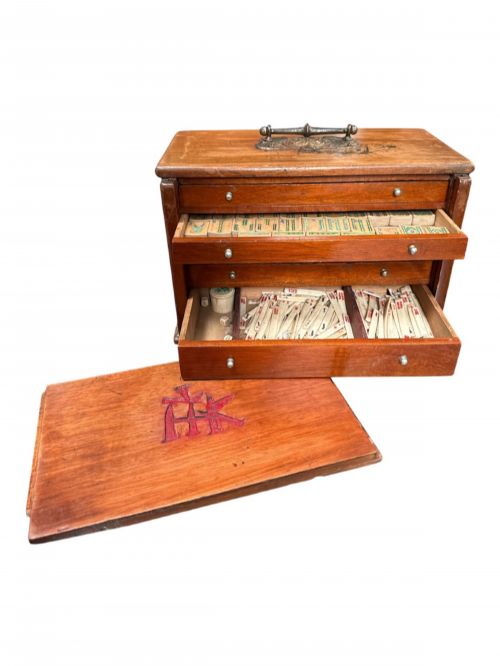
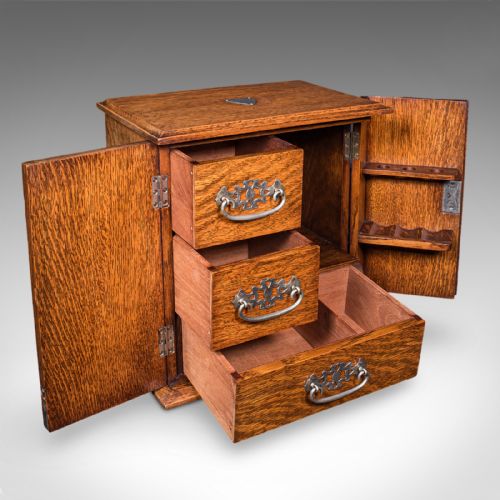
A carved wooden case covers a broad spectrum of functional and decorative items, ranging from monumental tall clocks and bookcases to small personal receptacles like match dispensers, tobacco boxes and needle cases. These objects span multiple periods, most frequently appearing from the nineteenth and early twentieth centuries alongside earlier Georgian examples.
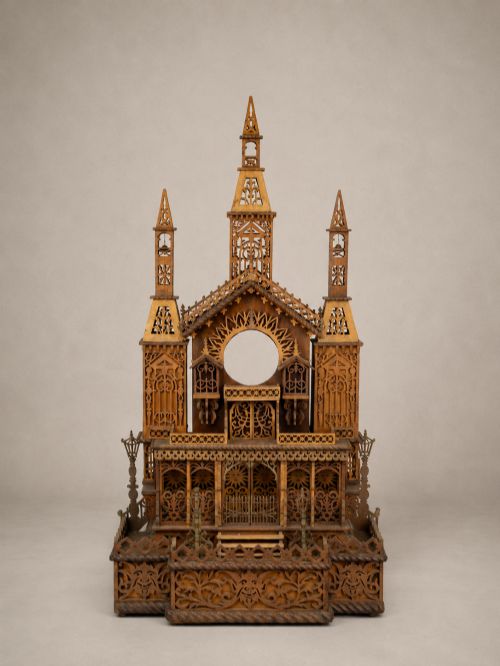
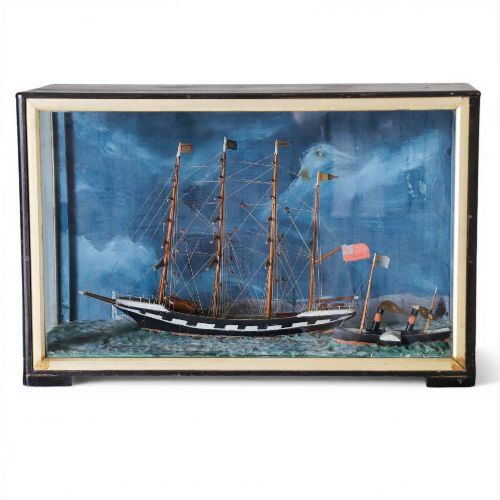
The assortment on this page includes architectural clock housings, display cabinets, maritime dioramas in ebonised frames, smoker's cabinets and delicate writing boxes. Such items served specific domestic, scientific or horological purposes while showcasing intricate surface ornament.
Buyers seeking a carved wooden case will encounter various regional styles, including Anglo-Indian ebony work, Qing Dynasty decorative boxes, and Victorian folk art. The primary unifying element is the use of timber as a sculptural medium for housing or framing another object.
How they were made
Construction relies heavily on traditional hardwoods such as oak, mahogany, walnut, ebony and satinwood, frequently paired with secondary materials like brass, glass, paint and silver plating. Joinery techniques range from simple box construction to complex architectural fretwork and detailed surface carving.
Surface ornamentation on these cases involves meticulous hand-carving, geometric mouldings, red lacquer and applied fretwork. Many items integrate glazed panels or brass fitments to secure contents such as clock movements, scales or writing implements.
A grinning wooden Daruma figure peers out from a Japanese tobacco box, ready to bring a touch of stubborn resilience to your desk.
What varies in quality
The standard of a carved wooden case is dictated by the crispness of the hand-carving and the selection of the timber grain, whether walnut, mahogany or oak. Superior examples display deep, deliberate chiselling rather than shallow mechanical stamping.
Proportion and structural integrity separate exceptional pieces from ordinary ones, particularly in large items like longcase clocks and display cabinets where architectural balance matters. Original fittings, such as brass dials, hinges and glass panes, also elevate the standing of a piece.
Edward East·Samuel Young·Winterhalder And Hofmeier
The Carved Wooden Case Glossary
- Fusee
- A conical pulley used in clockwork to maintain even tension on the mainspring as it unwinds. This mechanism is frequently found in high-grade nineteenth-century bracket and wall clock cases.
- Diorama
- A three-dimensional scene, often depicting sailing ships at sea, mounted within a protective glazed wooden case. These display boxes frequently incorporate painted backgrounds and detailed model work.
- Longcase clock
- A tall pendulum clock enclosed in a wooden case standing directly on the floor. These items are commonly referred to as grandfather or grandmother clocks depending on their height.
- Fretwork
- Ornamental perforated woodwork created by cutting patterns through thin timber boards. This technique appears on architectural clock cases and display cabinets to add visual depth.
- Bracket clock
- A portable household clock designed to sit on a bracket or table, usually housed in a substantial wooden case with a carrying handle and glazed access doors.
Carved Wooden Case: Frequently Asked Questions
What periods do these cases come from?
The selection includes pieces spanning from the seventeenth century through to the early twentieth century, with a strong representation of Victorian and Edwardian examples.
Craftsmanship styles shift noticeably across these eras, moving from sturdy seventeenth-century oak constructions to ornate nineteenth-century walnut and mahogany decorative housings.
How were these wooden cases used?
Their uses vary entirely by form, ranging from housing delicate horological movements in wall and longcase clocks to displaying marine dioramas and storing smoking accessories.
Smaller instances served as personal receptacles for needles, tobacco, scales and writing materials, protecting fragile items from dust and damage.
What timbers are most common?
Oak and mahogany appear frequently across furniture and clock cases, offering durability and rich grain patterns that respond well to carving.
Walnut, ebony and satinwood are also utilised for finer decorative boxes, display cabinets and specialised wall clock housings.
Are clock cases sold with movements?
Many listings include the original clock movements, such as fusee mechanisms or quarter-chiming systems housed securely within the timber enclosure.
Architectural fretwork elements and empty decorative cases also appear independently where the primary function is housing or display.