




Carved Wooden Boots
These carved wooden boots items combine utilitarian function and quirky folk art, offering practical storage and distinctive display pieces for country houses and halls.
Carved Wooden Boots
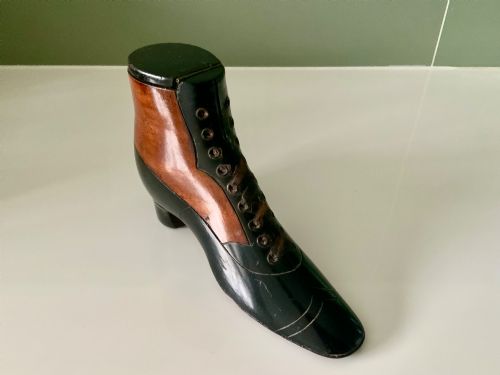
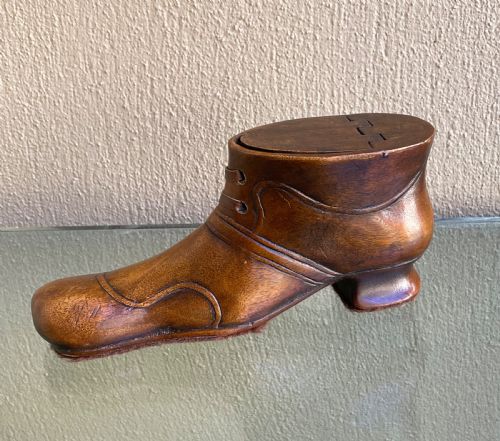
When you search for carved wooden boots, you encounter practical hallway equipment, folk art curiosities, and specialised cobbler displays from the nineteenth and early twentieth centuries. These objects range from folding shoe pull devices and riding boot stands to small decorative inkwells and treen snuff boxes shaped like footwear.
The pieces on this page heavily feature English country house boot jacks, Victorian boot trees, and Irish vernacular hall benches with integrated shoe storage. You also find specialised display items such as beech bootmaker stretchers and military campaign folding hook pulls.
Makers produced these functional forms in various domestic timbers to serve daily practical requirements in period hallways and dressing rooms. Their survival reflects both robust utility and the distinct Victorian taste for characterful carved wooden objects.
How they were made
Craftsmen utilised solid hardwoods such as mahogany, oak, walnut, and beech to construct these items, selecting timber for strength and grain pattern. They often incorporated brass hinges, mounts, and hooks to create folding mechanisms and hanging utility.
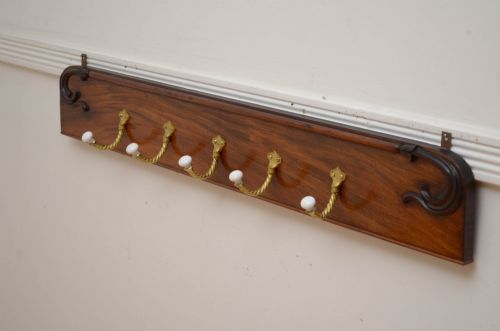
Carvers shaped the wood using hand tools to replicate the contours of riding boots, shoes, and decorative motifs like twisted rope. Polished finishes protected the timber surfaces while highlighting the natural grain and the precision of the hand carving.
Carved Wooden Boots Retail Price Guide 2026
Typical asking prices for carved wooden boots among the pieces listed under this phrase on Sellingantiques today, from the lower quarter to the upper quarter. They describe what is for sale here now, not the wider market.
The listings on this page span the 19th century, Victorian period, Edwardian era, and early 20th century, utilising oak, walnut, mahogany, and beech.
What varies in quality
Quality in these pieces depends upon the crispness of the hand carving and the integrity of the timber selection. Superior examples display detailed shaping, well-preserved original polished surfaces, and robust mechanical hardware.
Functionality and originality distinguish the better items, particularly where folding components, brass mounts, and integrated tool sets remain intact and operational.
The Carved Wooden Boots Glossary
- Boot Jack
- A V-shaped device used for removing boots without bending down. It typically rests flat on the floor with a raised notch.
- Boot Tree
- Wooden blocks inserted into boots to maintain their shape and absorb moisture when not worn. They often feature adjustable mechanisms.
- Treen
- Small handmade wooden household objects and treen items collected for their material and utility. The term covers items like snuff boxes and small containers.
- Vernacular
- Everyday objects made by local craftsmen following regional traditions rather than high-style academic designs. Irish vernacular furniture often prioritizes solid utility.
- Campaign
- Portable furniture and equipment designed for military officers on the move, featuring folding elements and robust brass reinforcements.
Carved Wooden Boots: Frequently Asked Questions
What are boot jacks used for?
Boot jacks serve to remove riding boots and tall footwear without requiring the wearer to bend down. You place the heel in the notched end and step on the base to pull the boot off easily.
Historically, they sat near hallway doors or in dressing rooms to assist with muddy footwear after outdoor pursuits.
How do you date wooden boot items?
Dating relies on timber choices, construction techniques, and associated hardware like brass hinges or ceramic hooks. Victorian and Edwardian pieces often show specific turn-of-the-century styles and manufacturing marks.
Comparing the wear patterns and tool marks helps confirm whether a piece dates to the nineteenth century or later.
Where should I place a boot bench?
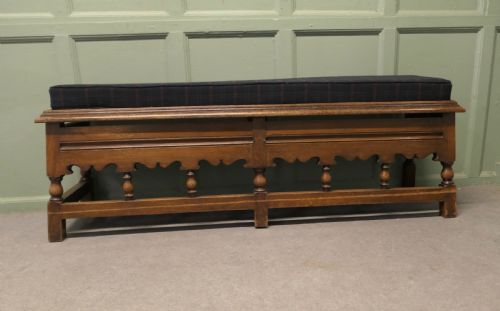
Hallways, boot rooms, and entrance lobbies provide the ideal setting for benches with integrated shoe storage. They offer practical seating while keeping footwear tidy beneath.
Their solid oak and walnut construction makes them durable enough for daily household traffic.
What is the difference between boot trees and stretchers?
Boot trees insert into stored footwear to preserve shape and dry the leather between wears. Bootmaker stretchers use adjustable screws to actively expand tight areas of a boot.
Both items reflect traditional footwear maintenance from the Victorian and Edwardian eras.