



Carved Wooden Bin
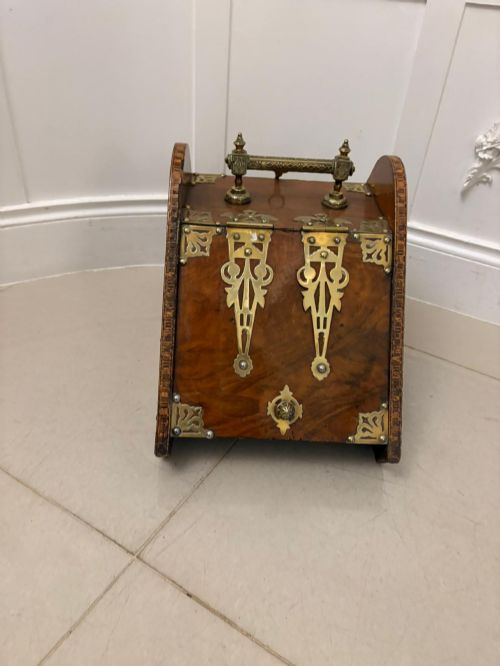
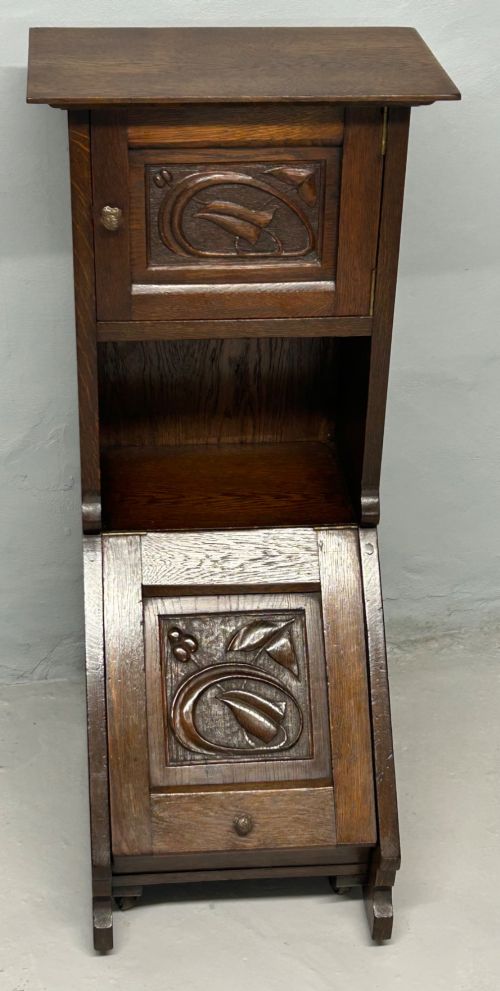
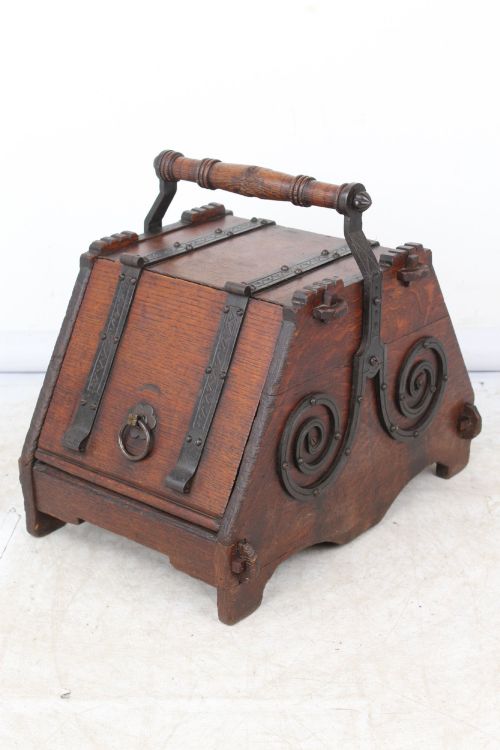
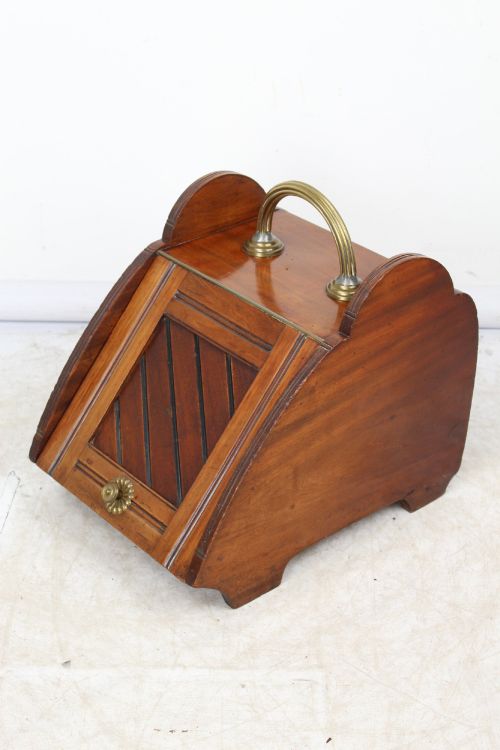
A carved wooden bin brings robust nineteenth-century utility to a hearth, combining solid timber construction with disciplined ornament.
Carved Wooden Bin
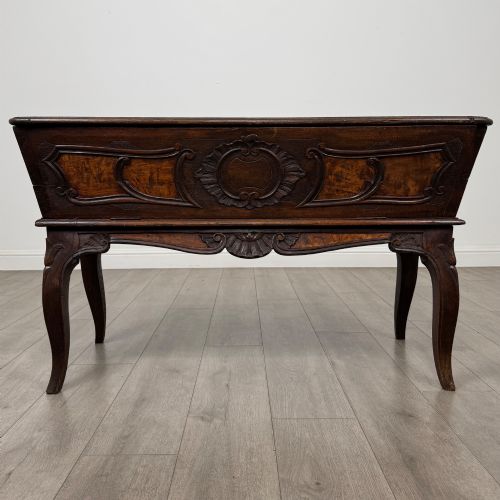
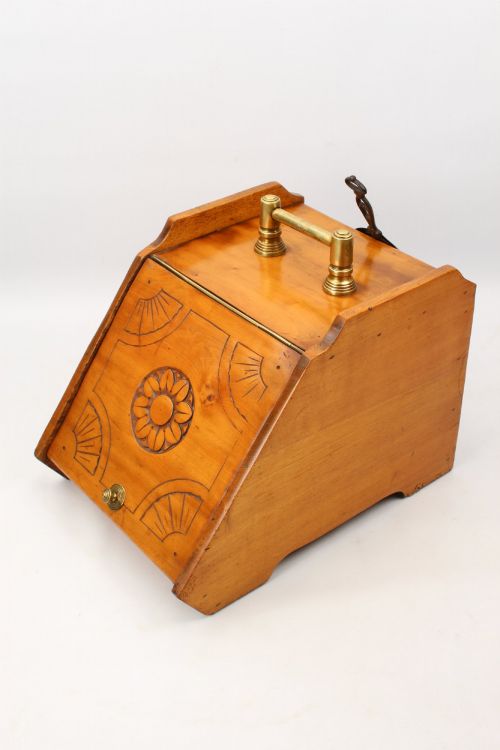
Buyers will frequently encounter coal scuttles and purdoniums dating from the 1850s to 1900, alongside occasional French provincial dough bins and rustic log stores. The surviving pieces demonstrate the heavy reliance on dense hardwoods to withstand daily domestic service by the fireside.
Materials and construction methods
Cabinetmakers utilised quarter-sawn oak, rich mahogany, and figured walnut for the main carcasses, employing dovetailed joints and fielded panels to ensure structural durability. These timbers were selected for their strength and responsiveness to deep relief carving.
Functional metal elements, including wrought iron handles, brass hinges, and internal metal or zinc liners, were integrated to contain heavy loads of coal or damp logs safely.
Carved Wooden Bin Retail Price Guide 2026
Typical asking prices for carved wooden bin among the pieces listed under this phrase on Sellingantiques today, from the lower quarter to the upper quarter. They describe what is for sale here now, not the wider market.
Some solid oak examples started life as hollowed-out tree trunks before encountering the carpenter's chisel.
What separates fine examples from standard pieces
The distinction between standard utility items and superior examples lies in the crispness of the hand-carving and the quality of the timber selection, such as pollard oak or figured walnut. Finer versions often feature substantial brass mounts, original shovels, and intact metal liners that indicate higher workshop standards.
Proportion and architectural detailing also dictate standard versus high-grade manufacture, where pieces bearing specific stylistic influences like Gothic Revival or Arts and Crafts display more deliberate design integration.
Christopher Dresser
The Carved Wooden Bin Glossary
- Purdonium
- A specialised coal box featuring a sloping front flap and an internal metal liner designed to hold fuel neatly by the hearth. This form became popular during the Victorian period.
- Dough bin
- A deep wooden trough or cupboard historically used for proving bread dough, often resting on a stand or built with panelled sides.
- Sarcophagus
- A coffin-shaped container with a domed lid, frequently adapted in the nineteenth century for large wine coolers or heavy fuel stores.
- Liner
- The removable metal or zinc insert placed inside a coal box to catch debris and protect the surrounding wood from moisture and ash.
Carved Wooden Bin: Frequently Asked Questions
How were these bins used originally?
These wooden containers served heavy utilitarian purposes in nineteenth-century households, holding coal near fireplaces or storing dry goods like flour in domestic kitchens.
Because they were subjected to daily handling by servants, survivors often bear the minor dents and brass patina of hard service.
Are original metal liners common?
Original metal or zinc liners do survive in several pieces, designed to prevent coal dust and moisture from damaging the timber interior of the box.
Finding a piece with its original liner and matching shovel adds significantly to the historical completeness of the object.
How do I care for a wooden coal bin today?
Maintenance requires only occasional dusting and the sparing application of traditional beeswax to nourish the dry hardwood surfaces.
Keep the timber away from direct heat sources like radiators to prevent the panels from splitting over time.