






Carved Wood Wheel
These carved wood wheel pieces bring robust vernacular form and honest regional utility into a modern room.
Carved Wood Wheel
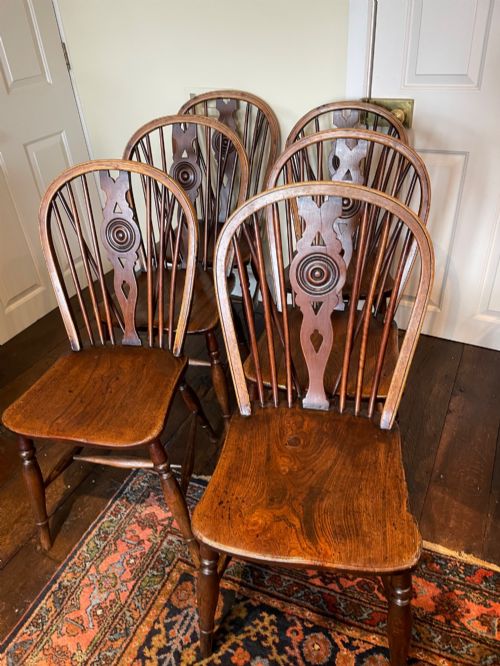
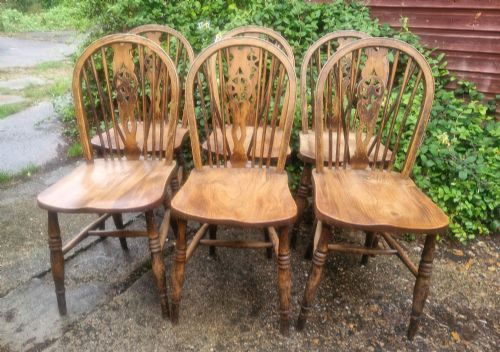
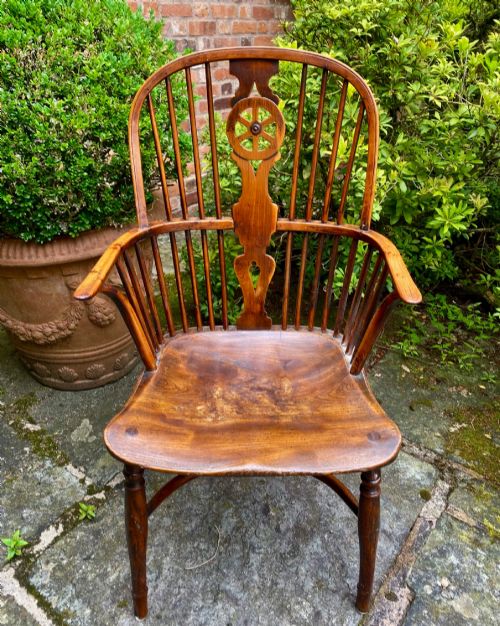
When you search for a carved wood wheel, you are looking at utilitarian items, seating, and scientific instruments shaped by regional tradition. The selection draws heavily from Windsor chairs featuring distinctive spindle backs centred on a pierced wooden disc, alongside domestic tools and barometers.
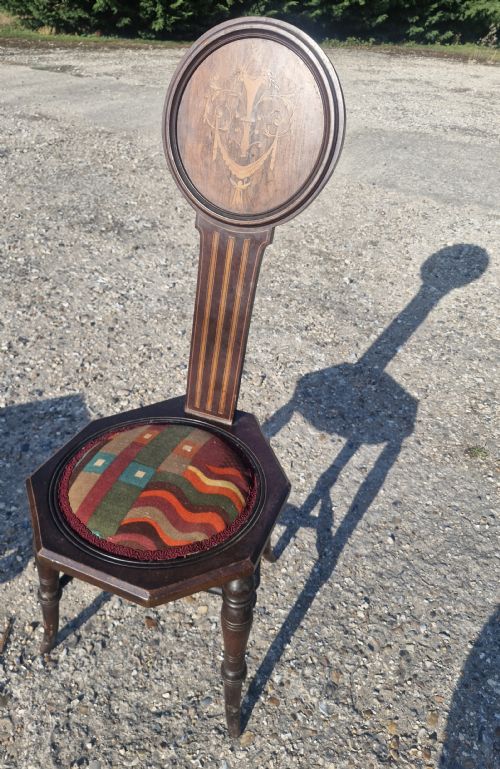
The objects span the eighteenth, nineteenth, and early twentieth centuries, crossing English vernacular, Victorian, and folk art traditions. You will encounter kitchen dining chairs, spinning chairs, and banjo barometers where the wheel motif serves both structural and decorative purposes.
Regional variations dominate the offerings, from Thames Valley yew wood armchairs to Breton folk art cupboards and Indian carved hardwood furniture. Each piece reflects the specific domestic or practical demands of its maker and period.
Materials and construction methods
The pieces rely on domestic hardwoods such as oak, elm, yew, mahogany, and walnut, chosen for their grain and tensile strength. Joinery methods combine traditional turning, steam bending, and mortise and tenon construction to shape spindles, frames, and central discs.
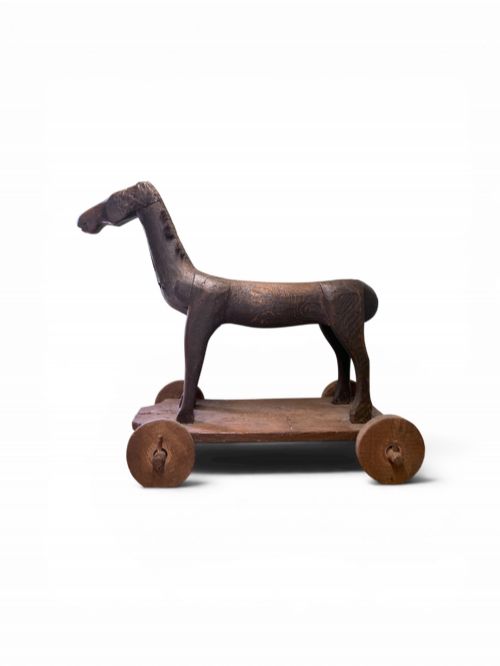
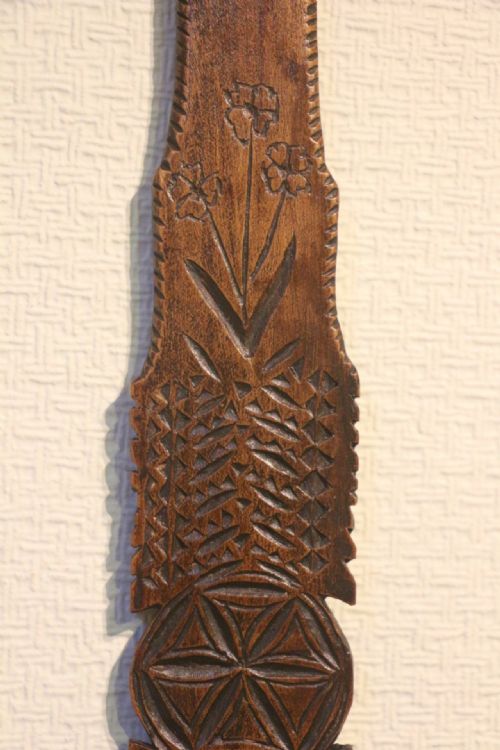
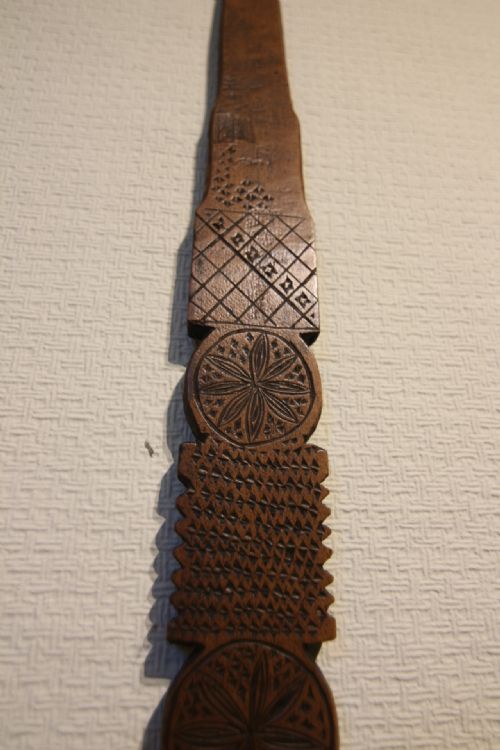
Carving is applied directly to the solid timber ground using hand gouges and chisels, producing low-relief decoration on chair splats, distaffs, and barometer cases. Brass fittings, glass dials, and iron hardware are integrated to complete functional instruments and trolleys.
Carved Wood Wheel Retail Price Guide 2026
Typical asking prices for carved wood wheel among the pieces listed under this phrase on Sellingantiques today, from the lower quarter to the upper quarter. They describe what is for sale here now, not the wider market.
Distinctions in craftsmanship and preservation
Quality rests upon the crispness of the timber carving and the integrity of the original joins. Superior examples display thoughtful selection of figured grain, particularly in yew and walnut, where the natural figuring enhances the central wheel motif without structural compromise.
Condition and originality dictate the standing of a piece, favouring surfaces with undisturbed patina and minimal replacement of structural pins or turned members. Instruments and chairs retaining their original dials, turnings, and regional characteristics hold greater authority.
James Mein of Kelso·Negretti and Zambra
The Carved Wood Wheel Glossary
- Windsor chair
- A wooden chair built with a heavy solid seat into which the legs and back spindles are separately dowelled. The carved wood wheel variation incorporates a pierced disc into the upper backrest.
- Distaff
- A medieval tool used to hold wool or flax for spinning by hand. Surviving examples often feature intricate folk art carving along the wooden shaft.
- Banjo barometer
- A wall barometer housed in a decorative wooden case shaped like a banjo. The dial is typically positioned below a circular hygrometer or thermometer gauge.
- Vernacular
- Objects made by local craftsmen following regional traditions and practical needs rather than academic architectural styles. These pieces prioritise utility and local timber availability.
Carved Wood Wheel: Frequently Asked Questions
What is a wheel back chair?
A wheel back chair is a form of Windsor seating where the central splat of the backrest is carved into the shape of a spoked wheel. This design gained popularity in English country dining chairs during the nineteenth and early twentieth centuries.
The wheel motif can be pierced directly from a solid board or assembled from shaped wooden segments. These chairs combined comfortable domestic seating with decorative regional craftsmanship.
How do I date a barometer?
Dating a wood barometer involves examining the style of the case, the materials used, and the signature of the maker on the dial. Mid-nineteenth century instruments often feature carved walnut or mahogany frames with mercury or aneroid movements.
Changes in dial typography, decorative carving, and the inclusion of auxiliary thermometers help narrow down the decade of production. Signed brass plates provide the most direct link to the instrument's origin.
Where were wheel back chairs made?
These chairs were produced across various regional workshops in England, particularly in areas with strong traditions of bodging and Windsor chair production. Regional timber supplies dictated whether the seats were constructed from elm, yew, or ash.
Local turners supplied components to regional chairmakers who assembled the finished pieces for domestic and tavern use. The specific turning patterns often point to particular counties or workshops.
How should I clean antique wood?
Antique wood surfaces require gentle maintenance using microfibre cloths and occasional applications of microcrystalline wax to nourish the grain. Avoid modern silicone sprays or harsh chemical cleaners that can strip the historic polish and patina.
Keeping the furniture away from direct heat sources and drastic humidity changes prevents the timber from splitting or warping. Regular, light dusting preserves the natural shine built up over generations of use.