

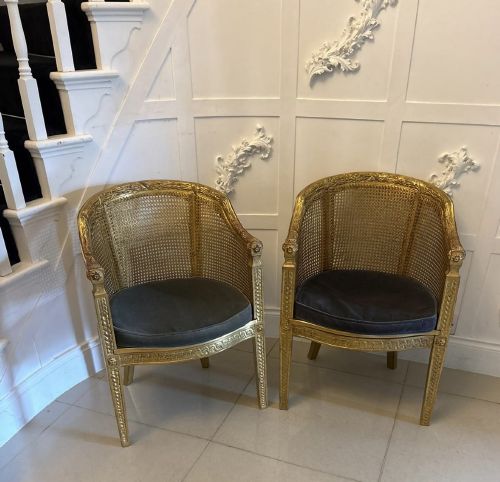
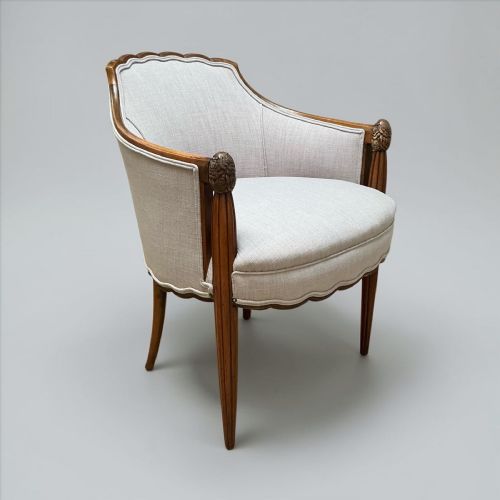
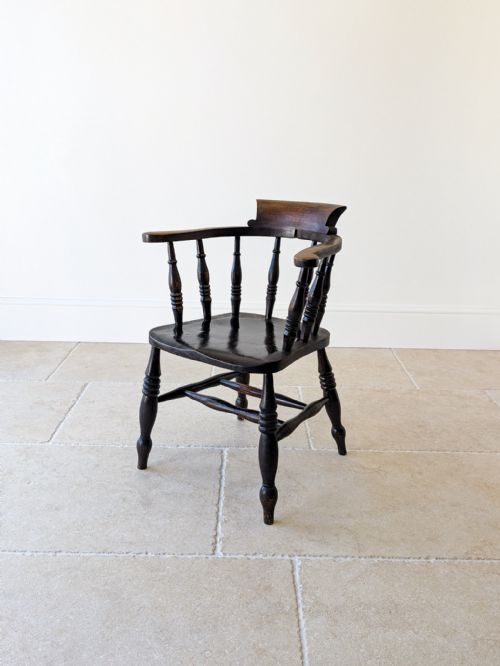
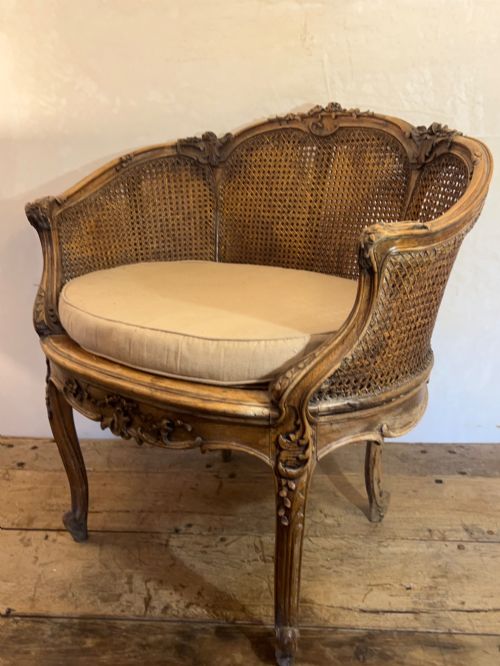
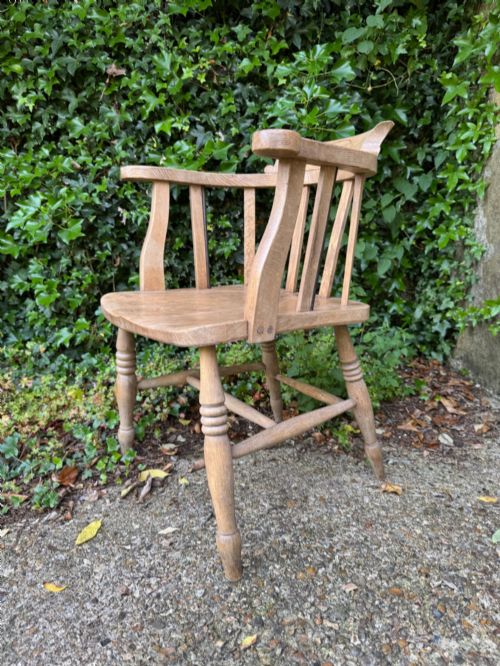


Carved Wood Tub
These carved wood tub forms offer deep, enclosing seats wrapped in timber frames, designed to bring solid comfort to studies and parlours.
Carved Wood Tub
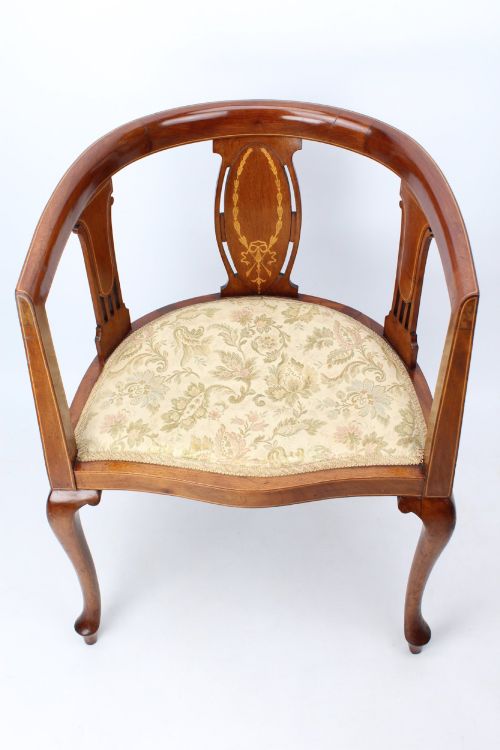
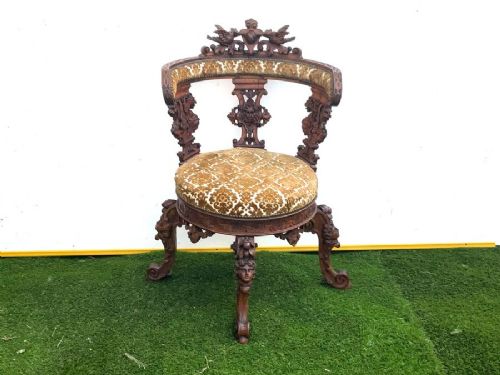
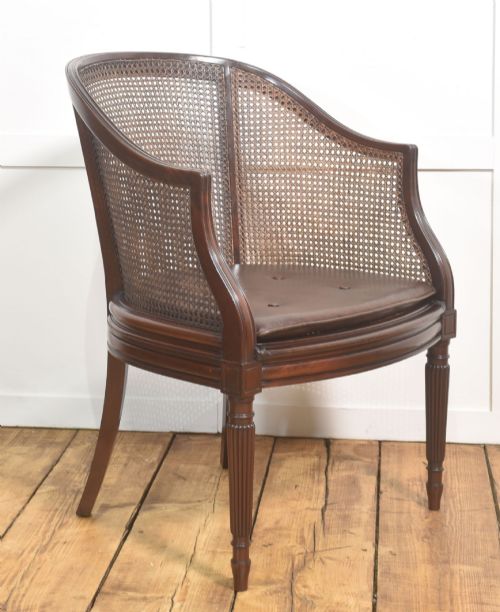
A carved wood tub typically takes the form of a rounded armchair where the back rail curves continuously into the arms, enclosing the sitter in a single fluid line. You are most likely to meet Edwardian mahogany examples or nineteenth-century Victorian pieces on this page.
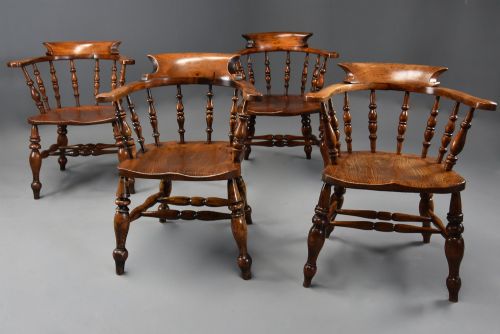
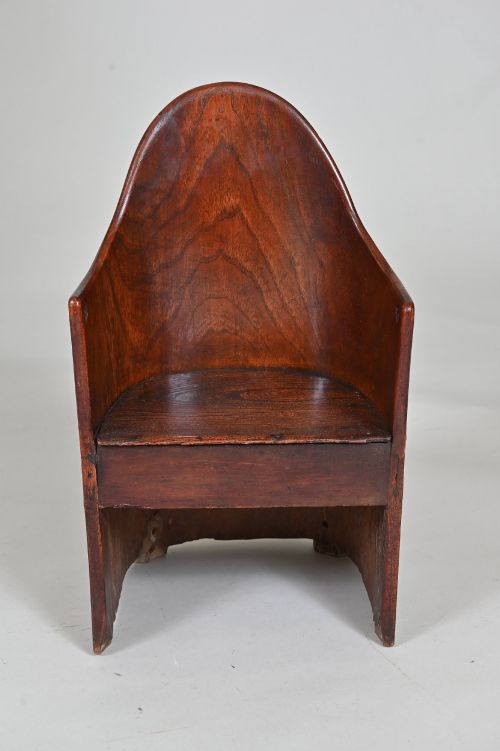
The selection ranges from sturdy elm and ash captains' chairs to refined walnut and mahogany tub chairs intended for libraries and studies. Makers constructed these seats to provide ergonomic support through deep, curved wooden backs and solid frames.
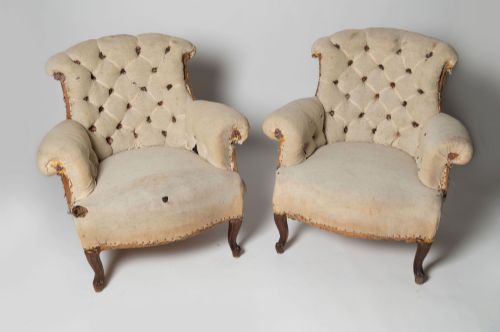
Many variants appear alongside related seating such as bergere armchairs, smokers' bows, and occasional chairs. The primary defining feature remains that curved, tub-like enclosure carved directly from solid timbers.
How they were made
Carpenters utilised durable hardwoods such as mahogany, walnut, elm, and yew to construct the structural frames and curved tub backs. They shaped the solid timber using traditional joinery, often steam-bending or carving sections to achieve the signature circular sweep.
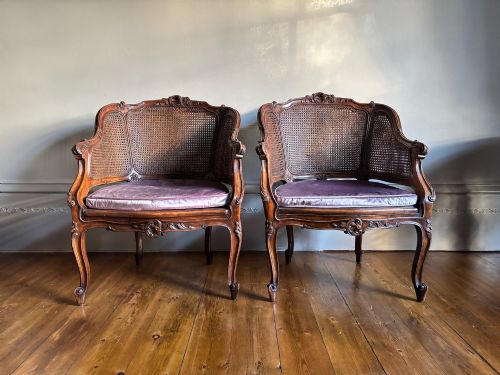
Cane panels, brass fittings, and upholstery fabrics including velvet and leather appear across the designs to add texture and comfort to the wooden frames. Craftsmen applied hand-carved detailing and marquetry inlay to enrich the exposed timber surfaces.
Carved Wood Tub Retail Price Guide 2026
Typical asking prices for carved wood tub among the pieces listed under this phrase on Sellingantiques today, from the lower quarter to the upper quarter. They describe what is for sale here now, not the wider market.
Several captains apparently spent their office hours firmly planted in sturdy yew wood.
What varies in quality
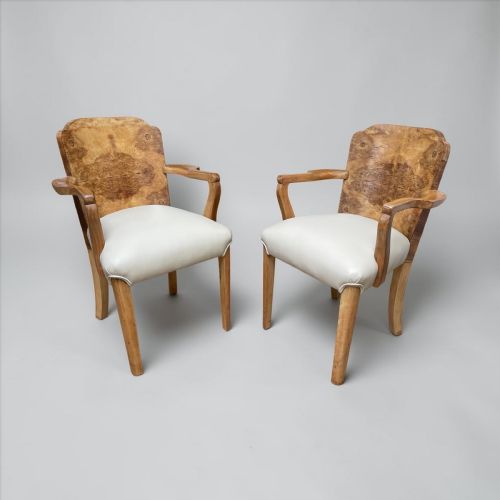
The sophistication of the wood carving and the choice of timber dictate the standing of each piece, with dense burr elm and figured mahogany sitting at the upper end. Substantial framing and clean, uninterrupted curves in the tub back separate finer library seating from simpler utility chairs.
The integrity of the original joinery and the selection of secondary woods reveal the maker's dedication. Pieces that retain uncompromised structural unity and crisp, hand-finished detailing command greater respect among collectors.
The Carved Wood Tub Glossary
- Tub chair
- An armchair featuring a continuous curved back and arms that form a deep, enclosing basin. This form provides substantial lateral support.
- Bergere
- An enclosed armchair with stuffed or cane upholstery set within a visible wooden frame. French examples frequently exhibit giltwood finishes.
- Smokers bow
- A sturdy nineteenth-century wooden armchair with a low, rounded back rail supported by turned spindles. These were common in domestic and commercial settings.
- Marquetry
- The art of applying decorative pieces of veneer to a structure to form intricate patterns. This technique frequently enhances Edwardian mahogany corners.
- Captains chair
- A robust wooden armchair featuring a low curved back and a solid timber seat. Elm and yew woods were standard for these practical forms.
Carved Wood Tub: Frequently Asked Questions
What is a carved wood tub?
A carved wood tub is a seating form defined by a continuous curved back and armrest assembly carved from timber. It wraps around the sitter to offer enclosed support.
These pieces emerged in various timber species, including mahogany, elm, and walnut, and served primarily in studies, libraries, and parlours.
How were these chairs used?
Owners placed them in libraries, offices, and drawing rooms as primary seating for reading and writing tasks. Their enclosing shape protected sitters from drafts.
They functioned both as working desk chairs and as comfortable armchairs for domestic relaxation.
How do I live with a wooden tub chair?
Integrating a wooden tub into a modern interior involves placing it where the curved back can be appreciated from multiple angles. It pairs well with writing desks and reading corners.
Maintenance requires standard timber care and gentle cleaning of any cane or upholstered elements.
How can I tell the periods apart?
Victorian examples tend to utilise heavy mahogany or elm with straightforward, robust construction and simple turned supports. Edwardian pieces often display lighter mahogany frames, sometimes incorporating cane panels or subtle marquetry inlay.
Nineteenth-century items also lean towards specific regional styles, such as French Louis XV or Renaissance revival motifs.