



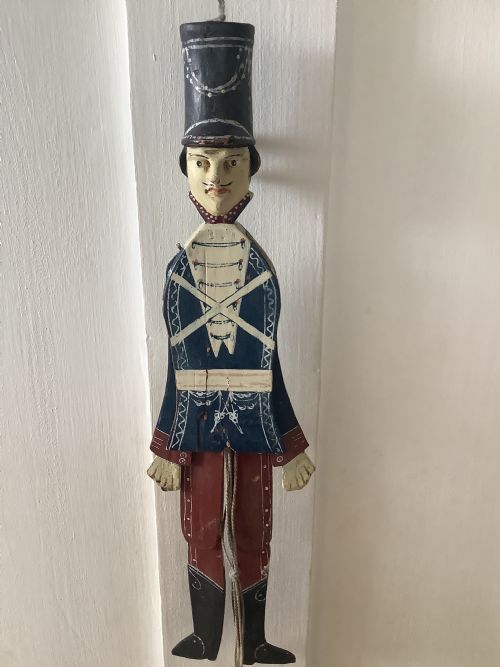


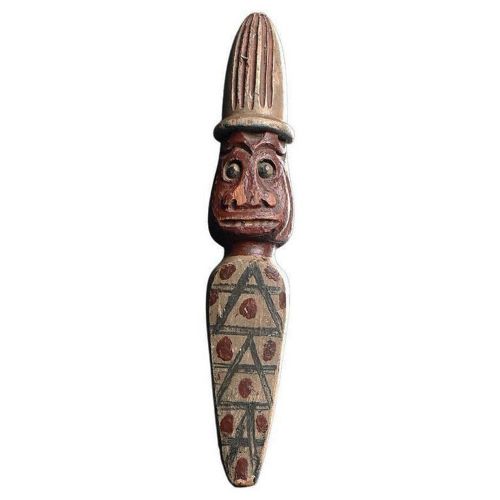
Carved Wood Toy
A carved wood toy brings centuries of hand-carved charm, traditional playthings and folk art sculpture into your home.
Carved Wood Toy
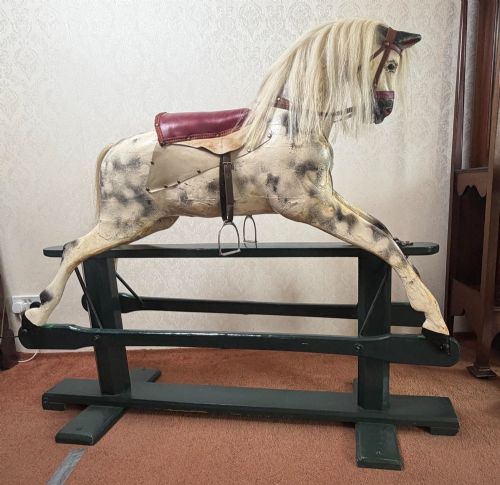
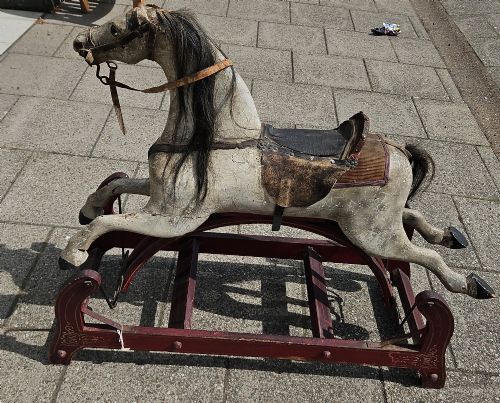
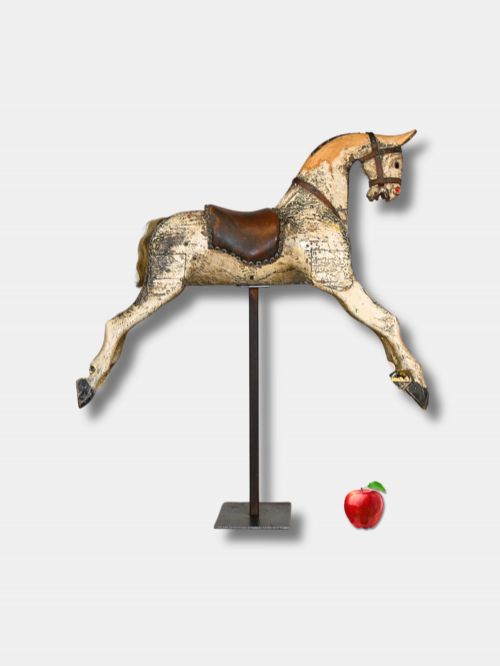
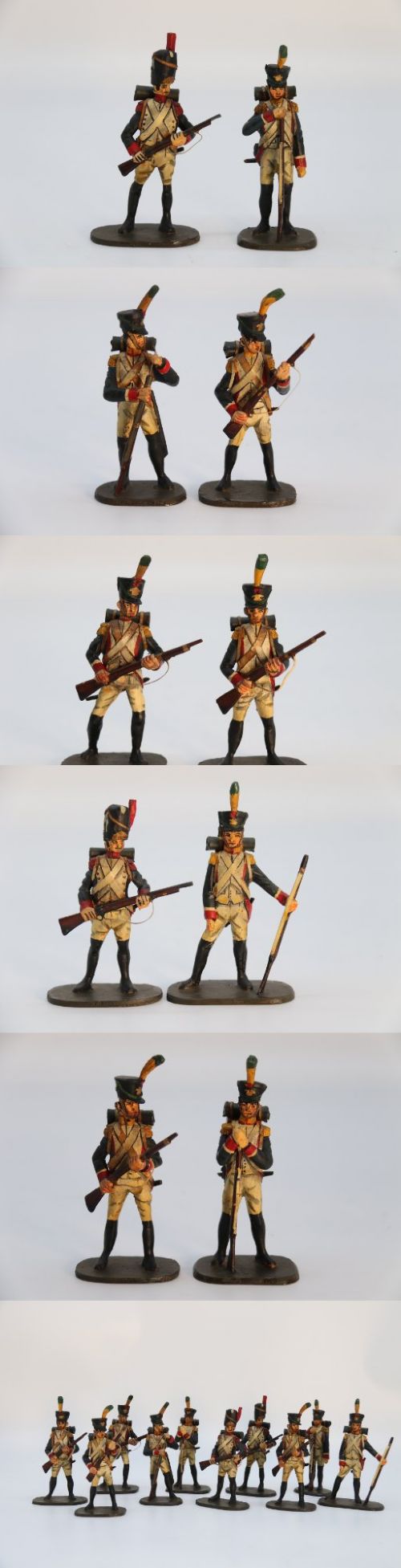
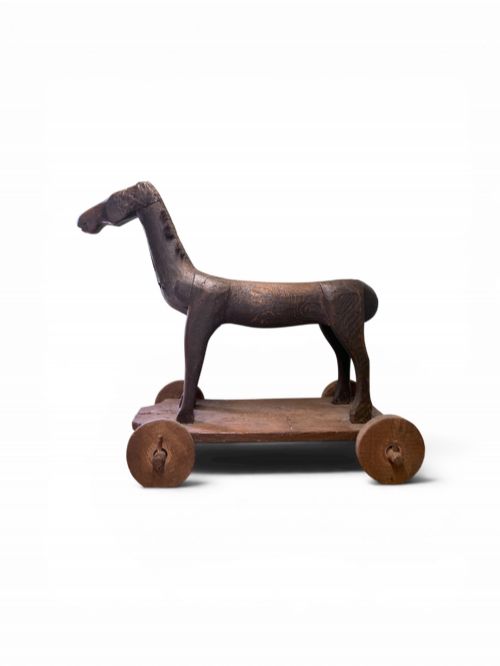
When you search for a carved wood toy, you find a diverse selection of antique playthings and folk art sculptures spanning several centuries. These items range from large nursery pieces like rocking horses to small animal figures, soldiers and games.
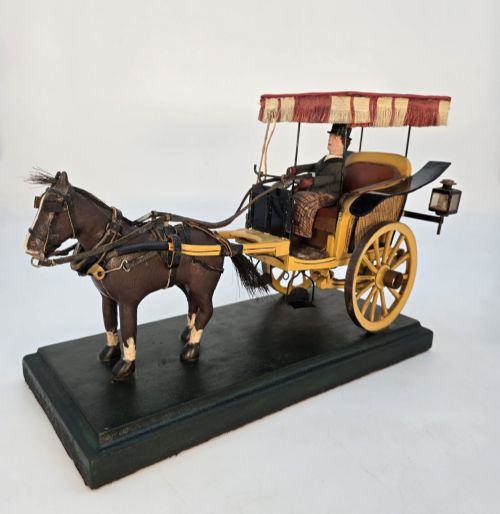
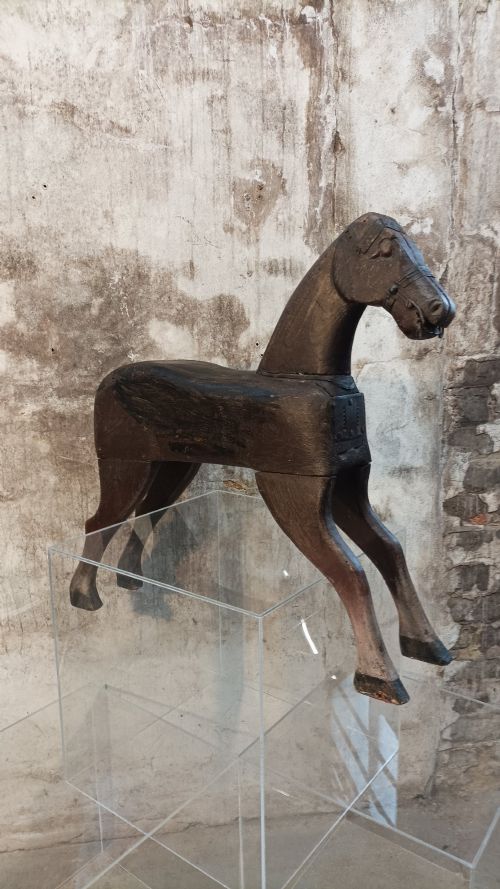
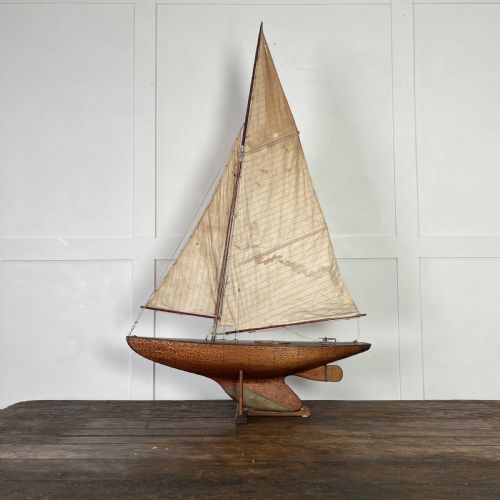
The most common items meeting this description are rocking horses mounted on stands, alongside folk art horse sculptures and carved animal figures. You also encounter pond yachts, jigger dolls, whirligigs, marionettes and miniature carriages.
Originating from British, American, French and Spanish makers, these objects reflect domestic traditions and folk craftsmanship. Dating spans from the 18th century through the Victorian and Edwardian eras into the 1930s.
How they were made
Makers shaped these items primarily from wood and pine, employing hand-carving techniques to form horses, figures, and vehicle bodies. Many examples incorporate supplemental materials such as leather, horsehair, metal, and iron for structural stability, manes, tails, or mechanical parts.
Surface finishes typically involve traditional paint schemes, often applied to create naive or primitive visual effects. Some pieces retain their original paint layers applied decades or centuries ago, preserving the raw texture of the worked timber.
Carved Wood Toy Retail Price Guide 2026
Typical asking prices for carved wood toy among the pieces listed under this phrase on Sellingantiques today, from the lower quarter to the upper quarter. They describe what is for sale here now, not the wider market.
Listings feature items spanning the 18th century through the 1930s, using wood, paint, leather, iron, and pine.
What varies in quality
The degree of original surface preservation heavily influences the character of each piece, distinguishing items with untouched early paint from those with later interventions. The survival of secondary components, such as leather tack, horsehair manes, and original iron rockers, dictates historical integrity.
Expressive execution in the carving of the subject matter creates a clear distinction between standard workshop output and inspired folk art sculpture. Pieces bearing maker signatures, dates, or specific provenance carry a different level of documentary interest.
G & J Lines of London
The Carved Wood Toy Glossary
- Folk art
- Artistic work created within a traditional culture by self-taught makers, often displaying a naive or primitive aesthetic.
- Jigger doll
- A mechanical toy figure designed to dance on a board when tapped or vibrated by hand.
- Whirligig
- A wind-driven kinetic folk art figure featuring moving parts that rotate or strike when breezes blow.
- Treen
- Small handmade wooden objects for home and personal use, encompassing historic games and cups.
- Bilboquet
- A traditional cup and ball game requiring skill to catch the suspended ball in the wooden cup.
- Pond yacht
- A large decorative toy sailboat designed for free-sailing on park waters.
Carved Wood Toy: Frequently Asked Questions
How do I date an antique wooden toy?
Dating relies on stylistic clues, construction methods, and materials like iron hardware, horsehair, and old paint layers.
Comparative analysis with documented examples from periods like the 18th or 19th century helps narrow down the origin.
Were these toys meant for children?
Some items served as functional playthings for children, including rocking horses, pull toys, and miniature boats.
Other objects functioned as decorative sculptures, folk art pieces, or adult pastimes.
How should I care for painted wooden toys?
Keep wooden toys away from direct sunlight, high humidity, and extreme temperature fluctuations to protect the timber.
Avoid chemical cleaners and dusting with damp cloths to preserve fragile historic paint and surface patinas.