





Carved Wood Tool
These carved wood tool items span utilitarian treen, folk art distaffs, and maritime implements shaped by hand across the eighteenth and nineteenth centuries.
Carved Wood Tool
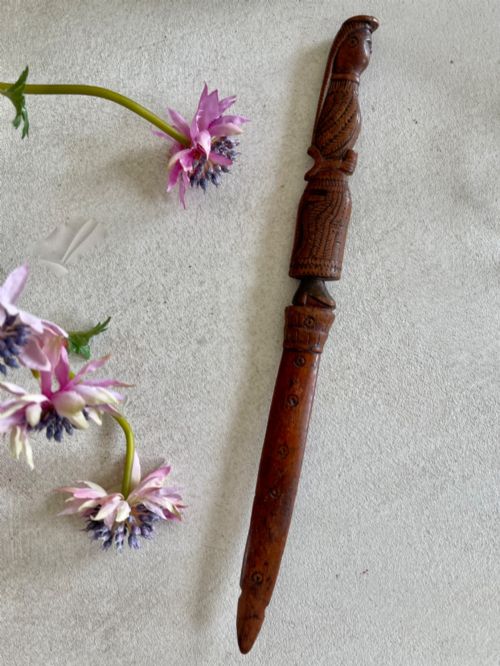
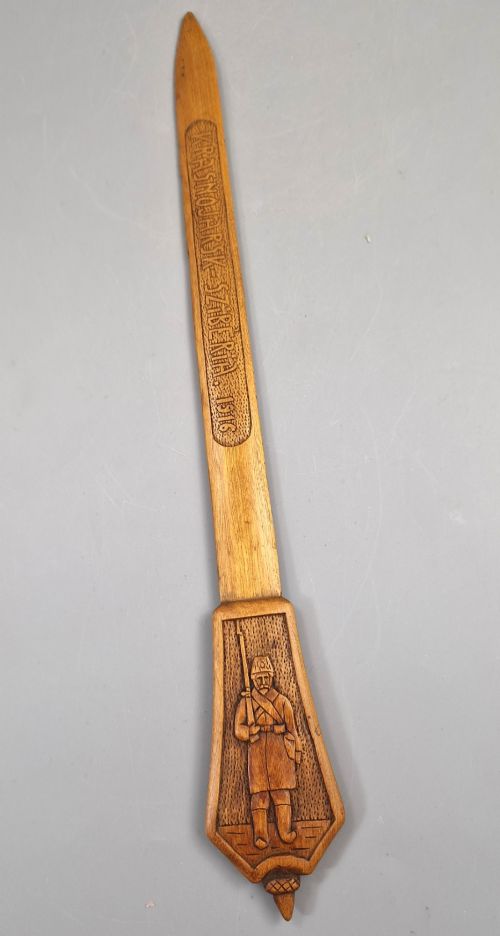
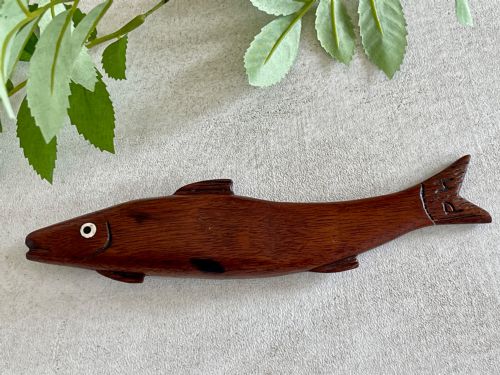
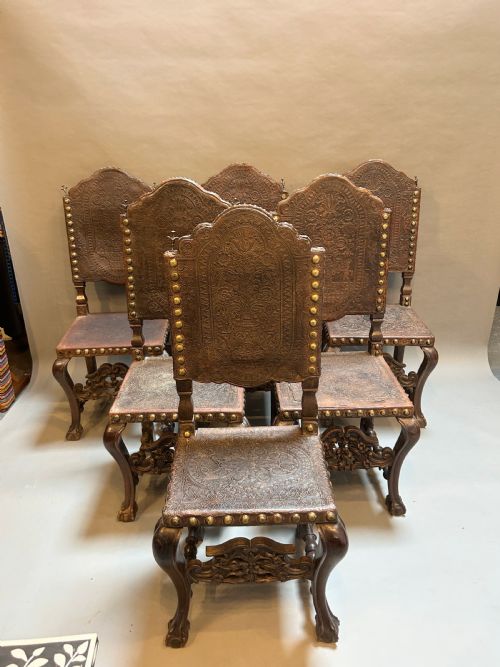
When you search for a carved wood tool, you encounter diverse domestic, maritime, and textile implements fashioned from timber. The selection spans utilitarian objects like knitting sheaths, distaffs, hat blocks, and sailors fids originating from Georgian, Victorian, and folk art traditions.
You are most likely to meet nineteenth century treen and textile equipment, including inlaid knitting sheaths and turned distaffs. These pieces reflect domestic production and maritime craft, utilising regional timbers shaped for specific manual tasks.
How they were made
Craftsmen utilised hardwoods, fruitwood, beech, walnut, and rosewood, shaping them with gouges, chisels, and lathes. Many examples incorporate brass, iron, leather, or white metal inlay to reinforce high wear areas or decorate surfaces.
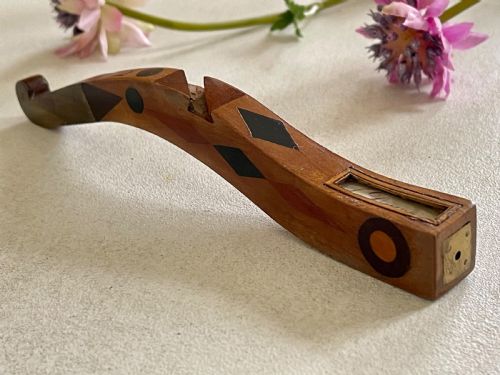
Folk art and trench art items display chip carving, incised geometric patterns, and inlay using diamonds, circles, and triangles. Structural forms emerge from solid timber blocks or turned components designed for daily labour.
Carved Wood Tool Retail Price Guide 2026
Typical asking prices for carved wood tool among the pieces listed under this phrase on Sellingantiques today, from the lower quarter to the upper quarter. They describe what is for sale here now, not the wider market.
A solitary sailor carved a fid on the rolling deck, ensuring his ropes stayed spliced through every gale.
What varies in quality
The standard of a carved wood tool depends upon the crispness of the hand carving and the integrity of the timber. Finely executed geometric chip carving and harmonious proportions distinguish superior folk art from plain utility items.
Surface patination and the survival of original decorative inlay dictate desirability. Pieces retaining rich tactile wear and complex ornamentation show greater artisanal ambition than standard workshop production.
Liberty & Co
The Carved Wood Tool Glossary
- Treen
- Small wooden domestic objects made by turning or carving. These items include kitchenware, personal accessories, and small tools used around the home.
- Knitting sheath
- A small carved holder tucked into a belt or apron to support a single knitting needle. They often feature regional folk art designs and initials.
- Distaff
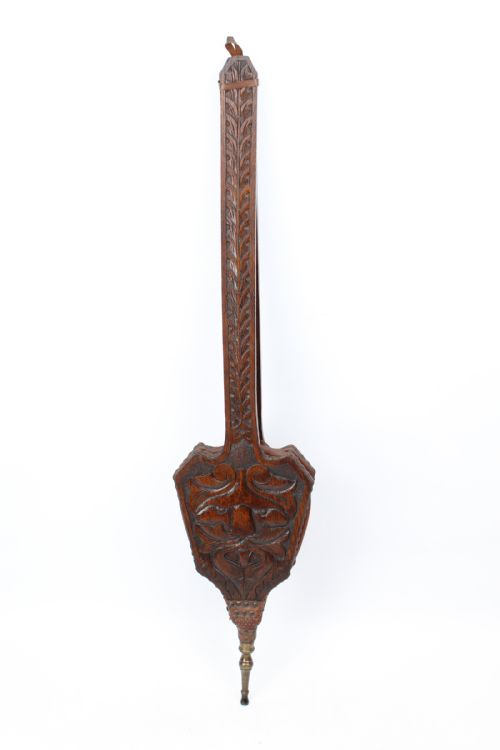
- A staff that holds wool or flax for spinning. Folk art examples display detailed carving and incised decoration along the shaft.
- Sailor fid
- A tapered wooden tool used by mariners for splicing ropes and canvas. They are turned from dense hardwoods to withstand heavy pressure.
- Hat block
- A shaped wooden form used by milliners to shape hats. These blocks reflect specific period headwear styles and utilitarian carpentry.
Carved Wood Tool: Frequently Asked Questions
What is a treen knitting sheath?
A knitting sheath is a domestic tool tucked into a waist belt to hold one needle steady during hand knitting. Makers carved them from single pieces of hardwood, often decorating the surfaces with chip carving and inlaid motifs.
These pieces served everyday rural production before mechanical knitting became widespread. Collectors prize them for their regional variation and intimate folk art character.
What are milliners hat blocks?
Hat blocks are carved wooden forms that milliners used to shape felt, straw, and fabric headwear. Each block corresponds to specific historical hat silhouettes and head sizes.
Sculpted from fruitwood or beech, they functioned purely as workshop tools rather than display items. Today, their sculptural qualities attract interior decorators and collectors.
How do I identify folk art pieces?
Folk art objects display unpretentious hand carving, incised geometric patterns, and individual maker touches. Makers utilised whatever timber was available locally to create functional household items.
These pieces bear the marks of amateur or regional craftsmanship rather than formal guild production. Their charm lies in their direct utility and expressive surface decoration.