


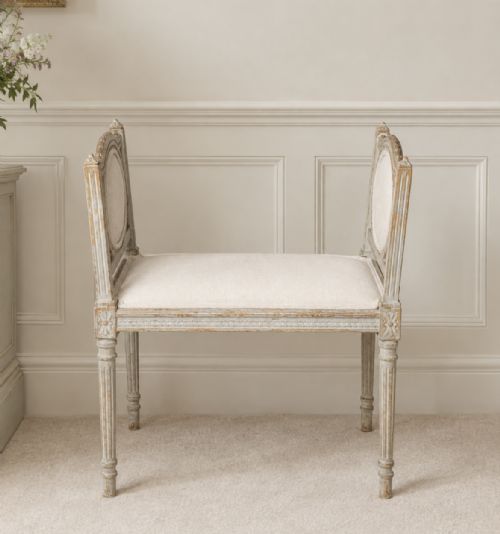


Carved Wood Tabouret
A carved wood tabouret is a low seat or stand, offering French revival grandeur and compact utility for any room.
Carved Wood Tabouret
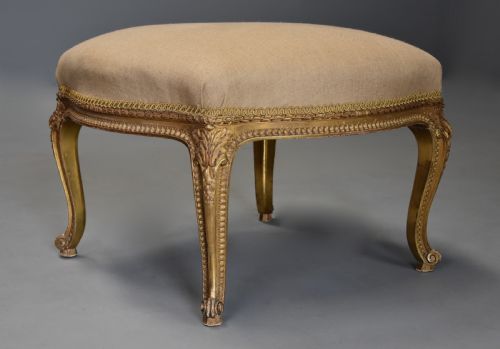
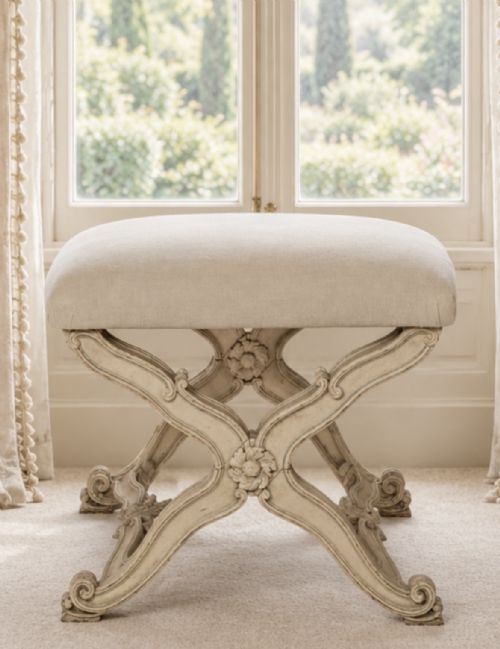
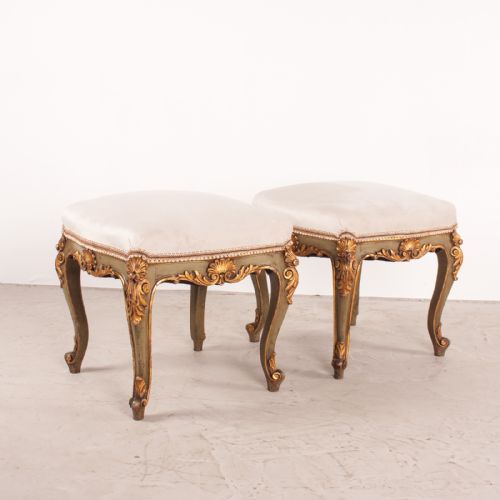
When you search for a carved wood tabouret, you encounter a selection of low stools and occasional stands originating largely in nineteenth century France. These pieces take the form of footstools, X frame stools, centre stools, and urn stands rather than standard chairs.
The versions you meet most frequently on this page date from the nineteenth century, including specific years like eighteen eighty, eighteen ninety, and nineteen hundred, alongside Victorian and nineteen twenty examples.
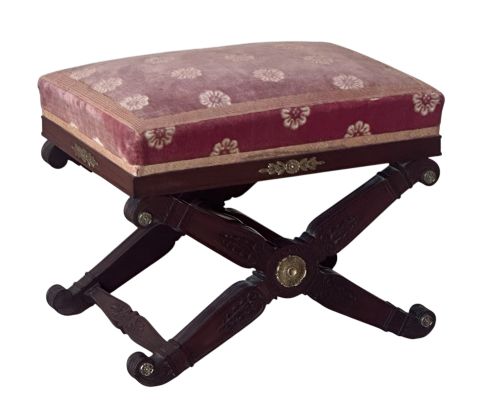
Makers and workshops of the period employed diverse aesthetic references, ranging from Louis fourteenth, fifteenth, and sixteenth revivals to French Empire, Continental Rococo, and Chinese Export styles.
Materials and construction
Construction relies upon solid timbers including walnut, mahogany, and general hardwoods shaped into sturdy frames to support seating and small display surfaces. Artisans applied carved detail directly into the wood before finishing surfaces with giltwood, parcel gilt, paint, or gilding.
Upholstered elements incorporate textile components such as linen to form traditional padded tops, while certain occasional stands integrate contrasting inset materials like marble tops or gilt bronze accents.
At least one nineteenth century French stool on this page carries a stamp from Loidrault Freres Paris, proving that even a humble footstool can bear a proud Parisian signature.
Judging quality in a carved wood tabouret
Quality reveals itself in the crispness and depth of the timber carving, where confident hand chisel work distinguishes finer atelier production from simpler commercial output. Heavier wood selection and sophisticated decorative schemes, such as combined giltwood and parcel gilt finishes, elevate certain examples.
The structural ambition of the form also dictates standing, with sophisticated X frame geometries or stamped maker signatures indicating higher workshop status compared to unmarked, plain antique French stool variants.
LOIDRAULT FRERES PARIS
The Carved Wood Tabouret Glossary
- Tabouret
- A low seat or stool without arms or a back, traditionally used in formal French settings. These pieces often function today as footstools or small occasional tables.
- Giltwood
- Timber that has been coated with gold leaf or a gold-coloured finish. This treatment imparts a brilliant reflective surface characteristic of revival styles.
- X Frame
- A structural support formed by two intersecting diagonal members creating an X shape. This classic folding chair geometry provides robust load bearing.
- Parcel Gilt
- A decorating technique where only specific raised portions or carved details are gilded while the rest of the wood remains exposed or painted. It creates a subtle two-tone visual contrast.
- Urn Stand
- A small elevated table designed to support a decorative vessel or lamp. These stands share the compact footprint and ornamental carving of low tabourets.
Carved Wood Tabouret: Frequently Asked Questions
What is a carved wood tabouret used for?
These pieces serve primarily as low seats, footstools, or small occasional stands for urns and decorative objects. Their compact footprint allows them to fit easily beside larger seating arrangements.
Historically, low tabourets provided flexible seating within formal rooms. Today, they function effectively as accent pieces or functional foot rests in domestic interiors.
How do I identify nineteenth century French styles?
Nineteenth century French pieces often draw directly upon earlier court aesthetics such as Louis fourteenth, fifteenth, and sixteenth revivals. Look for characteristic carved ornaments like acanthus leaves, scrollwork, and gilded surfaces.
Pieces from this era also include Empire designs featuring X frame constructions and Continental Rococo curves. Stamped workshop marks on the timber can further confirm origin and date.
Are all tabourets upholstered?
Not all pieces feature soft tops, as the selection includes both upholstered stools and solid surfaces. Certain variations incorporate linen padding for seating comfort.
Other examples function strictly as stands, featuring hard tops made of wood or marble designed to display decorative objects rather than seat occupants.
How do I care for giltwood and painted furniture?
Giltwood and painted finishes require gentle maintenance to preserve the delicate metallic or pigmented surfaces. Dusting should be performed softly without using abrasive cloths or chemical cleaning agents.
Keep these items away from direct sunlight and excessive moisture to prevent the wood from warping and the delicate surface decoration from flaking.