

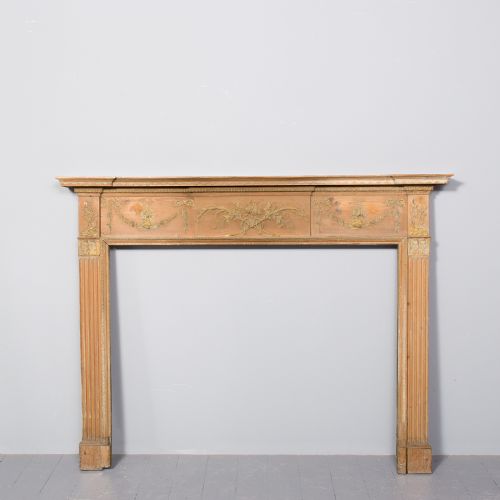


Carved Wood Swags
These carved wood swags bring architectural grandeur into a room, offering sculptural floral drapery that instantly elevates plain walls and furniture.
Carved Wood Swags
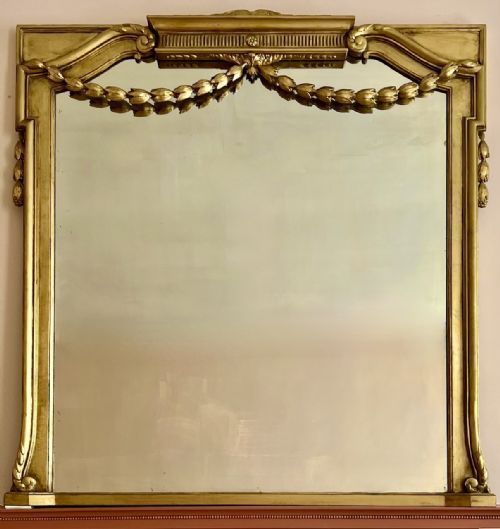
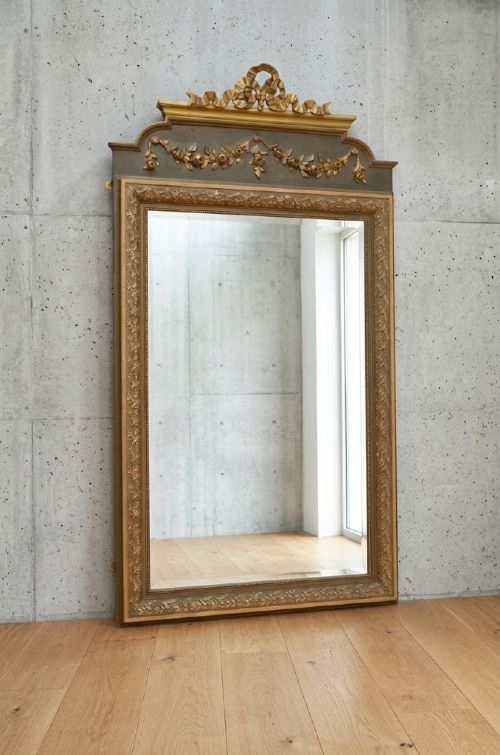
When you search for carved wood swags, you are looking at ornamental drapery motifs rendered in timber, gesso, and gilt. These decorative elements ornament console tables, wall mirrors, architectural fragments, and fireplace surrounds across historical periods.
The versions most likely to meet you on this page date from the eighteenth and nineteenth centuries, originating from British and French workshops. They appear integrated into larger furnishing structures or as standalone wall relief carvings and appliqués.
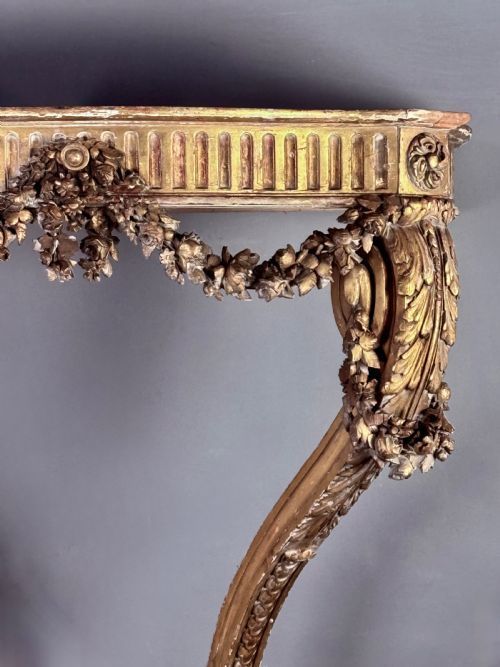
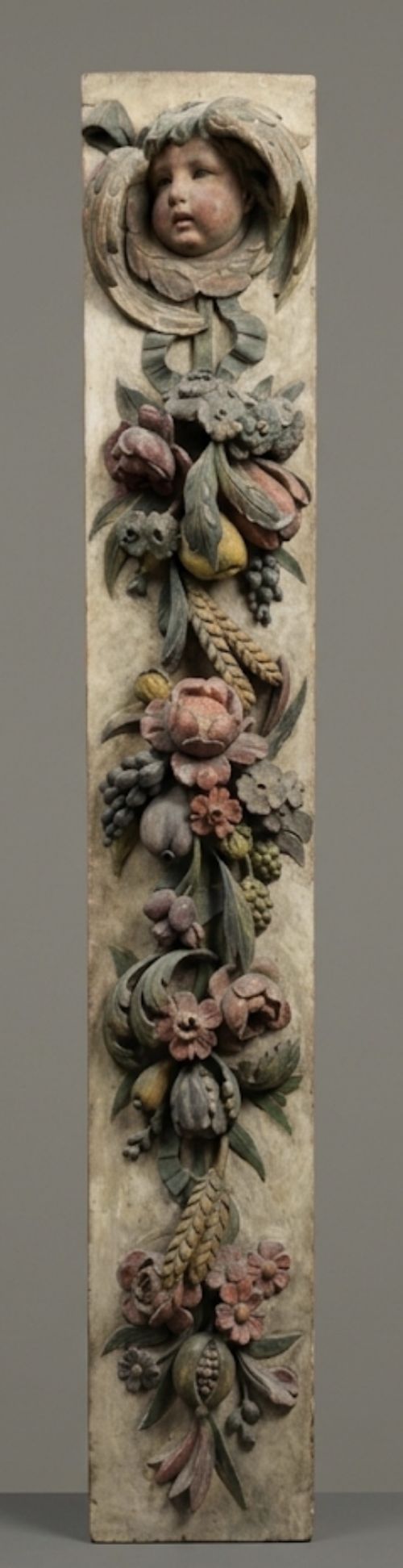
The forms span George III pine mantelpieces, French neoclassical console table bases, and baroque panels. Each piece demonstrates the enduring appeal of classical festoons and floral garlands in interior decoration.
How they were made
Carvers shaped these swags from solid timber and pine using gouges and chisels to achieve deep, naturalistic relief. Artisans frequently applied a layer of gesso over the wood substrate to build up crisp detail before gilding with gold leaf.
Many surfaces received polychrome paint or olive green finishes, complementing the underlying carved woodwork. Guilds of craftsmen utilised traditional joining techniques to incorporate these festoons into console tables, wall mirrors, and architectural doors.
Carved Wood Swags Retail Price Guide 2026
Typical asking prices for carved wood swags among the pieces listed under this phrase on Sellingantiques today, from the lower quarter to the upper quarter. They describe what is for sale here now, not the wider market.
Listings feature items spanning the 18th century, Georgian period, and the 19th century up to the Belle Époque.
What varies in quality
Quality rests upon the depth of the carving and the vitality of the foliage, where confident undercut work separates master execution from mechanical repetition. The crispness of the gesso preparation dictates how well fine leaf and ribbon details survive beneath layers of later gilding.
Proportion and architectural harmony define the upper tier of pieces, ensuring the swag drapes naturally across its panel or frame. The integrity of the original timber substrate and the retention of authentic gold leaf or early painted surfaces govern the historical value.
Felix Alfred Ternisien
The Carved Wood Swags Glossary
- Swag
- A decorative festoon of flowers, fruit, or foliage suspended from each end. This classical motif forms the central decorative focus of the pieces listed.
- Gesso
- A plaster mix applied to wood surfaces to provide a smooth base for gilding or painting. It allows carvers to achieve sharp relief details.
- Appliqué
- An applied decorative element fixed to a larger surface, such as a wall panel or mirror frame. These architectural fragments often feature standalone carved swags.
- Polychrome
- Decorated in multiple colours. This technique appears on eighteenth-century wooden panels.
- Console table
- A table supported by wall brackets or front legs, frequently embellished with carved wooden drapery and gilding. These form a major category in the listings.
Carved Wood Swags: Frequently Asked Questions
What are carved wood swags?
These pieces are sculptural representations of draped fabric, flowers, or fruit carved into timber, gesso, and giltwood. They serve as decorative architectural ornaments on furniture, panels, and mirrors.
Originating primarily from eighteenth and nineteenth-century European workshops, they reflect classical design revivals including neoclassical, baroque, and rococo styles.
How were carved wood swags used?
Historically, makers integrated these ornaments into grand interiors as fireplace surrounds, console table bases, and architectural door panels. They drew the eye to focal points within a room.
Today, standalone wall appliqués and panels function as independent wall art, bringing historical texture and classical symmetry to modern spaces.
How do I live with these pieces?
Integrate wooden swags into contemporary or traditional interiors by mounting wall reliefs directly onto plain plaster surfaces to create an architectural focal point. Console tables and mirrors with these motifs anchor a hallway or living room.
Keep them away from direct heat sources and fluctuating humidity to protect the delicate gesso, timber substrates, and historic gold leaf surfaces.
How do I tell periods apart?
Eighteenth-century pieces, such as George III or baroque examples, typically exhibit robust hand-carved timber depth and authentic period gesso techniques. They reflect the heavier, ornate proportions of the era.
Nineteenth-century items often draw on French neoclassical or Belle Epoque aesthetics, featuring refined ribbon crests, olive green painted highlights, and lighter decorative structures.