





Carved Wood Stag
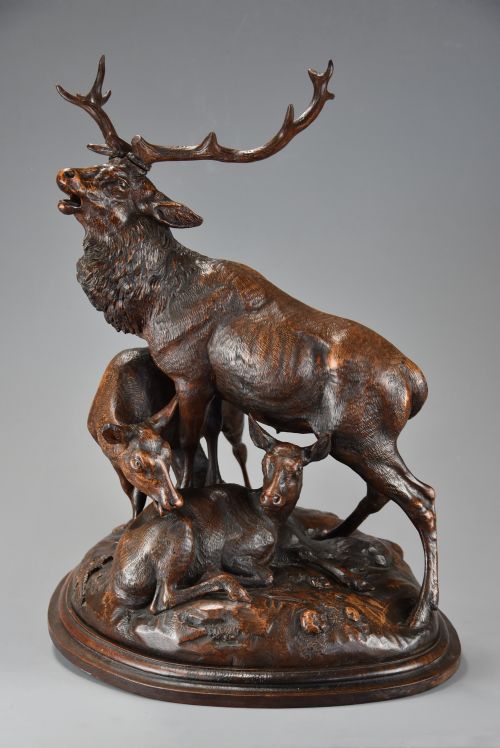
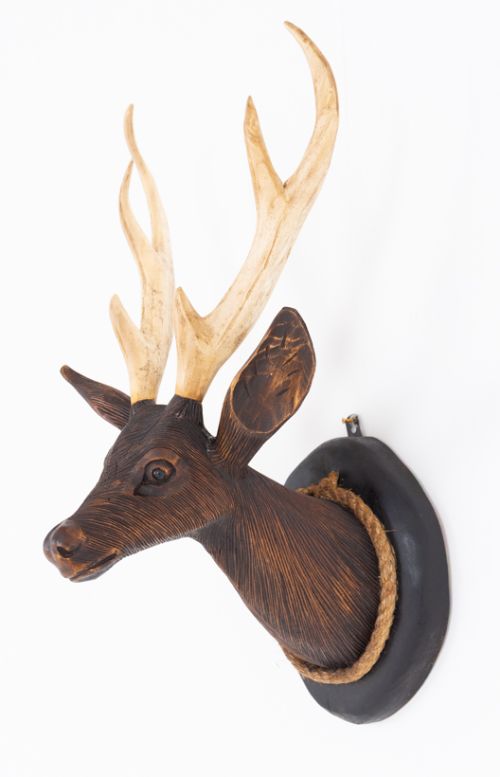
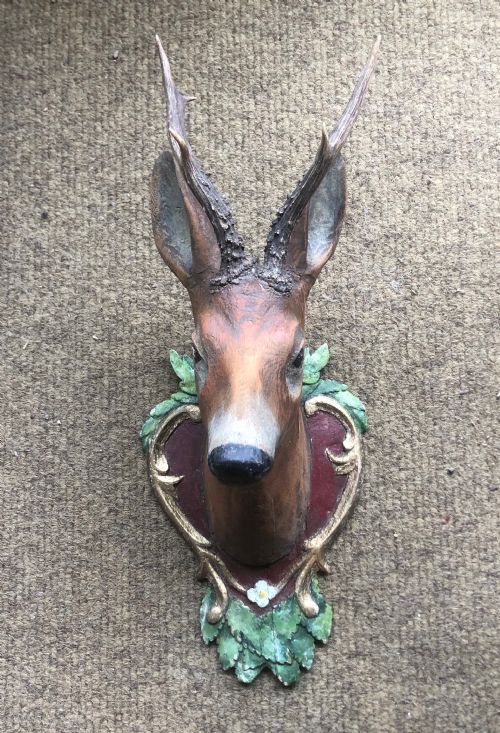
These carved wood stag pieces bring robust nineteenth-century forest character and rustic presence into a room.
Carved Wood Stag
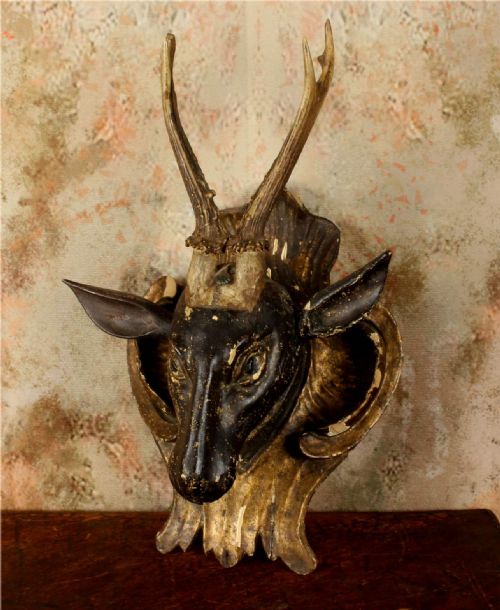
A carved wood stag brings nineteenth-century animalier sculpture and folk traditions directly into domestic interiors through items such as wall sculptures, large hallstands, and detailed studies. Buyers seeking a carved wood stag will frequently encounter Black Forest works alongside Victorian country house and folk art interpretations.
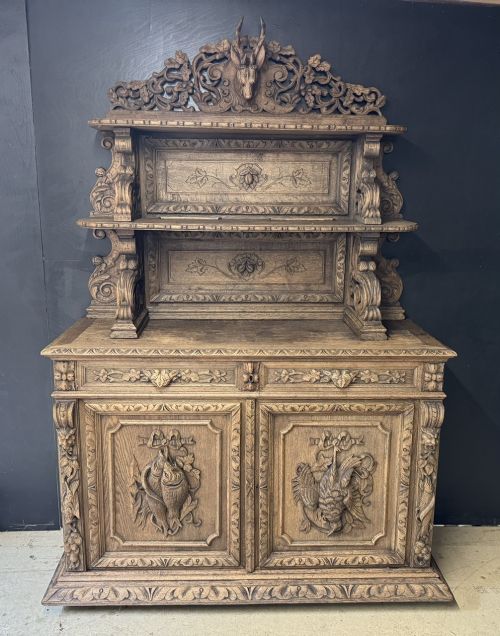
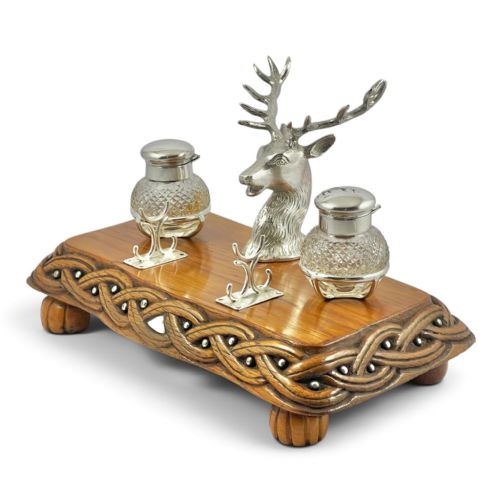
The objects span varied forms, including mounted trophy shields, cuckoo clocks, inkstands, and substantial sideboards adorned with naturalistic horn and carved timber. Most examples date from the nineteenth century, utilising regional European woodcarving traditions from Switzerland, Germany, Sweden, and Scotland.
How they were made
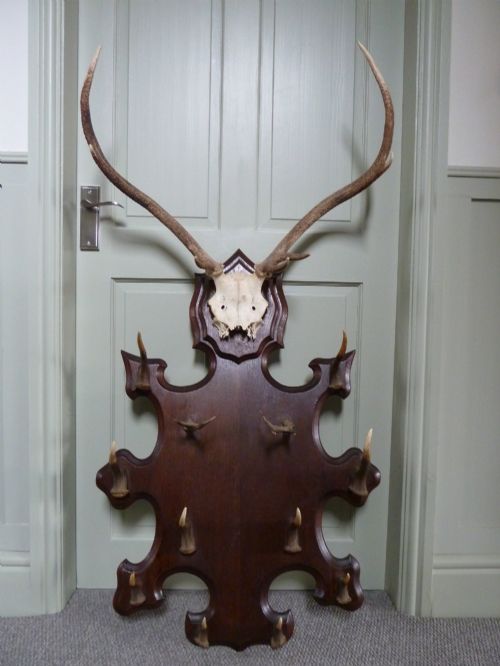
Many works incorporate natural materials like actual stag skulls and horns mounted onto carved wooden shields or furniture backplates. Some regional folk pieces also feature painted surfaces applied directly to the carved wood body.
Carved Wood Stag Retail Price Guide 2026
Typical asking prices for carved wood stag among the pieces listed under this phrase on Sellingantiques today, from the lower quarter to the upper quarter. They describe what is for sale here now, not the wider market.
Some nineteenth-century stags watch over your hallway coat rack with real eleven-point antlers.
What varies in quality
Quality rests upon the anatomical precision and depth of the carving, distinguishing lifelike studies from simpler folk interpretations. Superior pieces display finely articulated musculature, expressive glass eyes, and harmonious integration of natural antlers with the carved wooden base.
The complexity of the surrounding object also dictates distinction, moving from basic wall mounts to elaborate architectural clock cases and fitted furniture with integrated natural horn.
The Carved Wood Stag Glossary
- Black Forest
- A style of woodcarving originating from the mountainous region of central Europe, known for realistic animal and foliage motifs. Pieces often include clocks, inkstands, and large animal sculptures.
- Antler
- The bony growth shed annually by deer, frequently utilised alongside carved wood in nineteenth-century coat racks, furniture, and wall trophies.
- Snuff Box
- A small container for holding powdered tobacco, sometimes fashioned with carved wood and hinged lids depicting regional subjects.
Carved Wood Stag: Frequently Asked Questions
What periods do carved wood stag pieces come from?
Most examples date from the nineteenth century, encompassing Victorian production and continental European traditions.
Craftsmen from this era produced everything from folk art wall mounts to elaborate Black Forest furniture.
Are the antlers real on these pieces?
Many wall sculptures and hallstands incorporate genuine natural deer antlers mounted onto carved wooden shields.
Other smaller decorative objects feature antlers and bone carved directly out of the wood or integrated as handles.
Where were carved wood stag sculptures made?
Production centred largely in European woodland regions, particularly Germany, Switzerland, Sweden, and Scotland.
Each area brought distinct regional styles, such as Swiss Black Forest carving or Scottish folk traditions.
What practical items feature carved stags?
Beyond pure sculptures, makers incorporated carved stags and antlers into functional objects like hallstands, coat racks, inkstands, and clocks.
These domestic pieces combined robust utility with dramatic nineteenth-century hunting aesthetics.