
Carved Wood Shelf
These pieces known as a carved wood shelf combine utility and display, offering a practical way to organise a room while exhibiting cherished objects.
Carved Wood Shelf
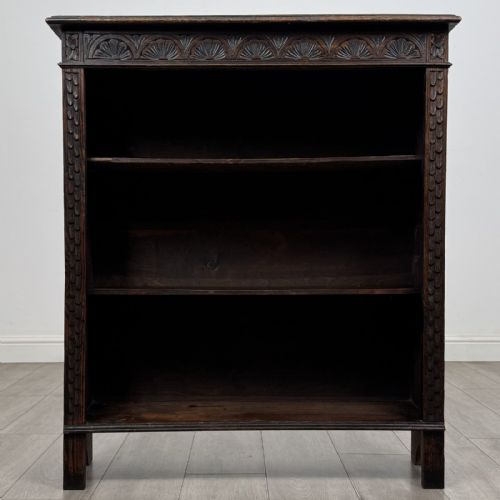
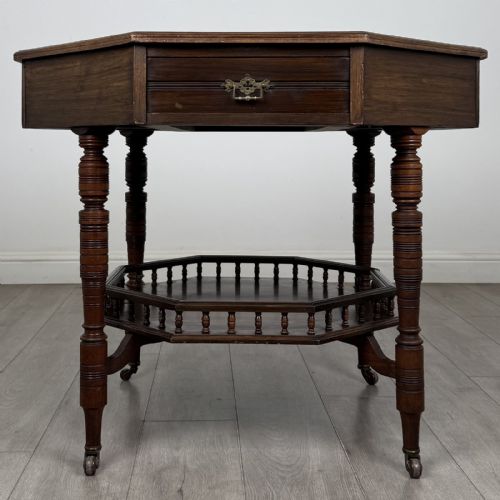
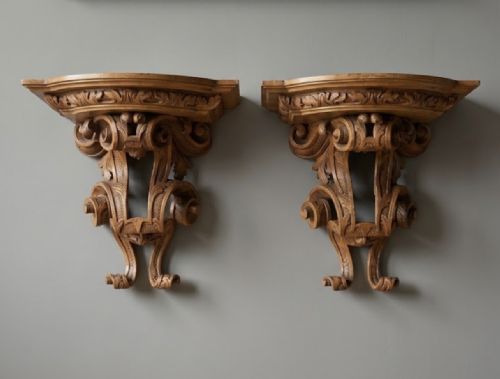
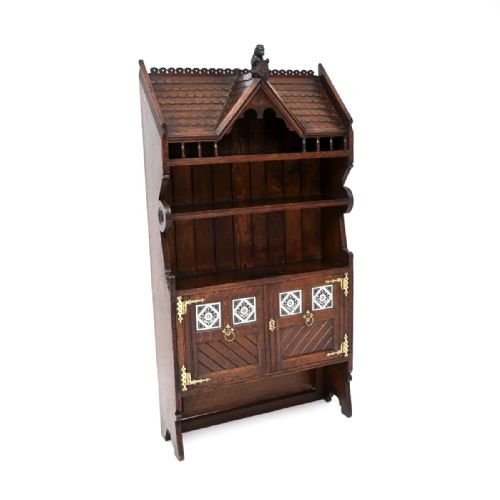
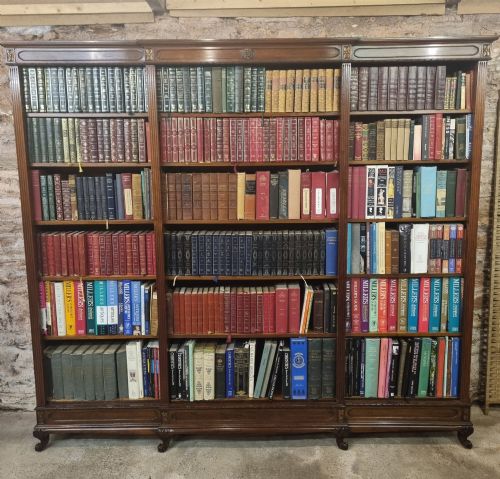
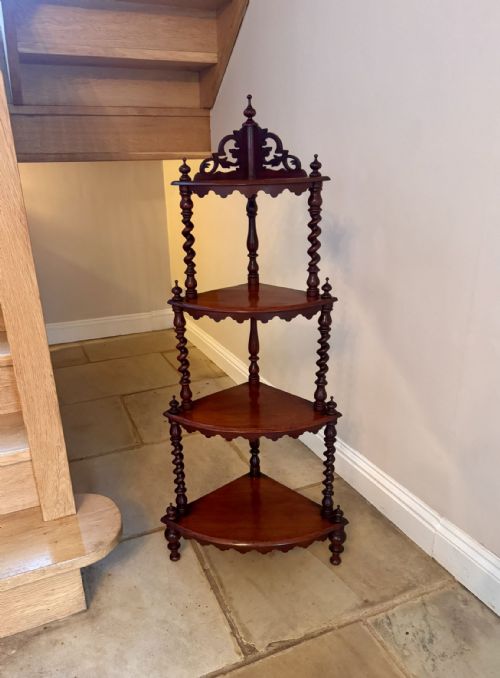
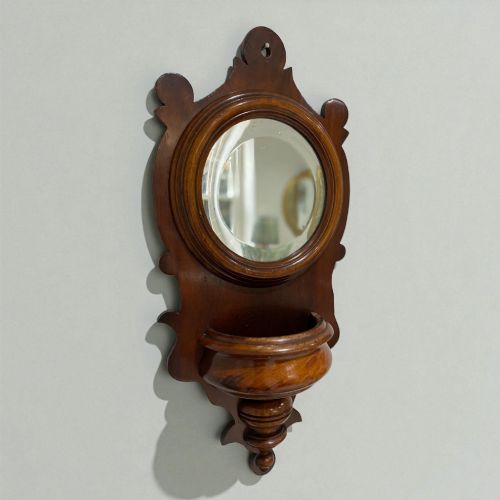
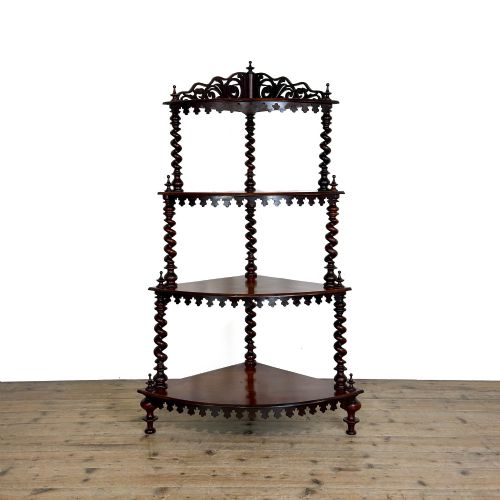
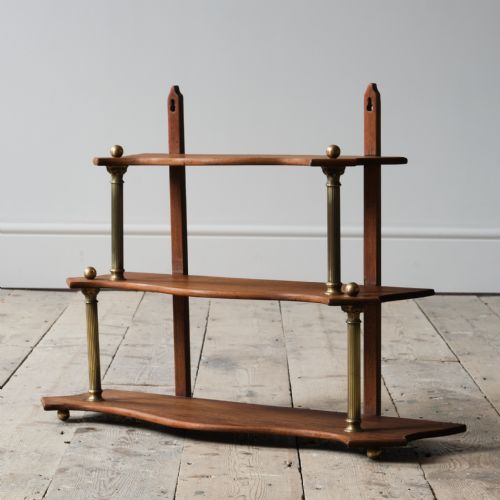
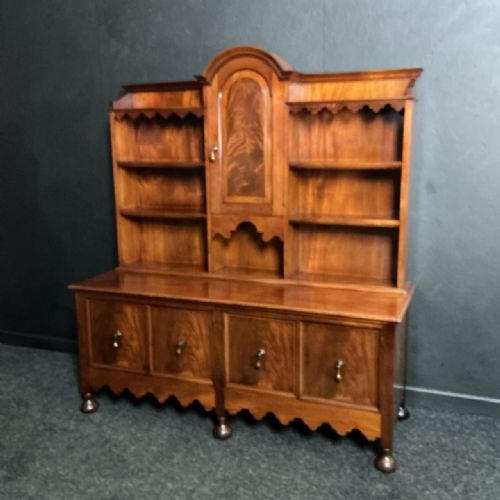
A carved wood shelf takes many forms across the centuries, appearing as wall brackets, corner whatnot stands, and hanging wall shelves designed to hold books and decorative objects. These items serve both functional storage and display purposes within domestic spaces.
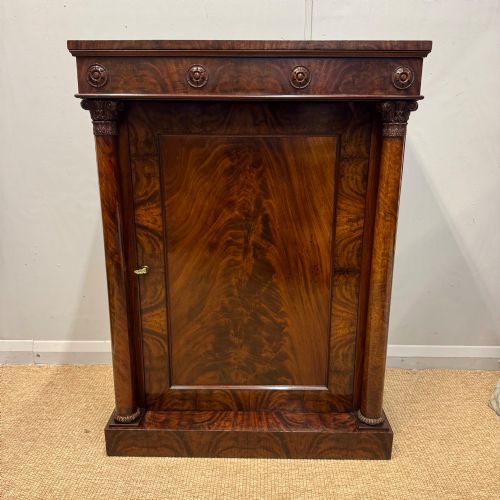
The versions most commonly met on this page date from the nineteenth and early twentieth centuries, spanning Victorian, Edwardian, and Regency periods. Mahogany, oak, and walnut are the dominant timbers shaping these pieces.
How they were made
Cabinet makers utilised dense hardwoods such as mahogany, oak, walnut, rosewood, and burr walnut, selecting timber for its grain and durability. Joinery methods relied on precise fitting and internal support to bear the weight of books and ornaments.
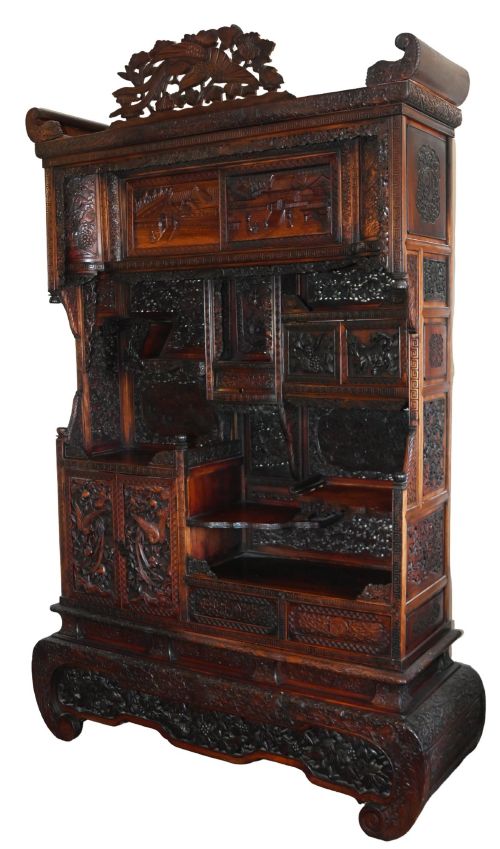
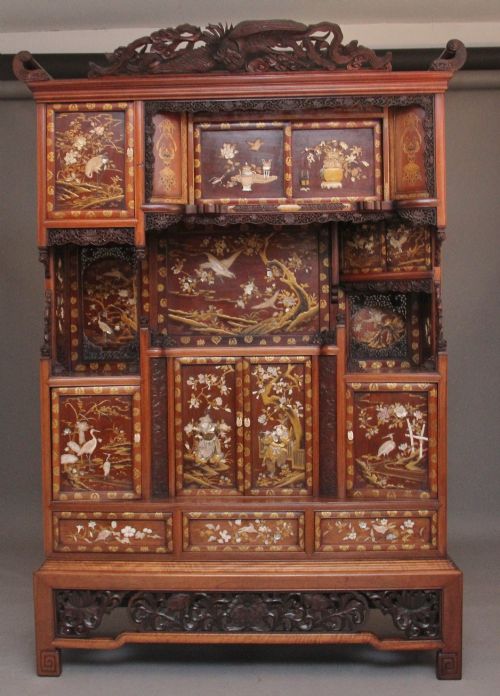
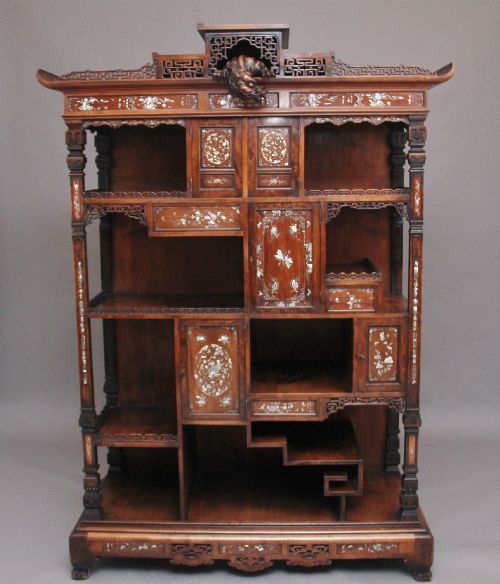
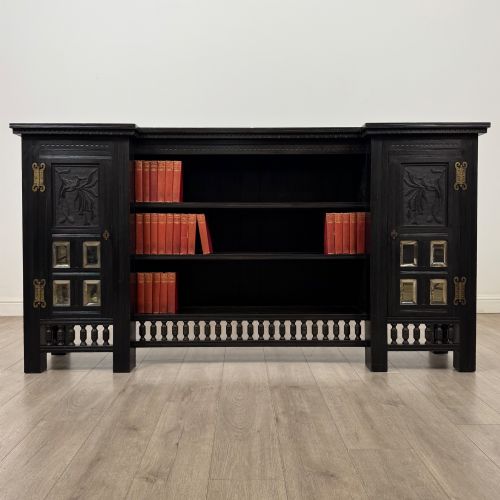
Carving and pierced fretwork ornamentation required hand chiselling directly into the timber surface, frequently augmented by applied brass or glass elements. Timber panels were shaped and finished to highlight the natural qualities of the wood.
Some shelves hide carved wooden cherubs watching quietly from the corners.
What varies in quality
The depth and crispness of the hand carving distinguish finer examples from standard production, as skilled makers achieved sharper relief and more balanced proportions in foliage or figurative motifs. The choice of timber also dictates quality, with burr walnut and figured mahogany representing superior selection compared to plain secondary woods.
Structural integrity and the precision of the joinery mark the division between workshop tiers. Pieces retaining original adjustable mechanisms, sound backboards, and clean fretwork demonstrate a higher standard of original craftsmanship.
John Moyr Smith·Trevor Page & Co·Gabriel Viardot
The Carved Wood Shelf Glossary
- Whatnot
- A multi-tiered piece of freestanding furniture designed for displaying ornaments, books, or small collectables.
- Wall bracket
- A projecting support fastened directly to a wall, intended to carry a bust, clock, or decorative shelf.
- Fretwork
- Ornamental woodwork perforated or cut through with a fretsaw to create intricate geometric or organic patterns.
- Breakfront
- A piece of furniture whose central section projects forward from the flanking outer sections.
- Padauk
- A heavy tropical hardwood valued for its deep reddish-brown colour and durability in cabinet making.
Carved Wood Shelf: Frequently Asked Questions
How were these wall shelves mounted?
Wall brackets and hanging shelves typically feature pre-drilled fixing points or integrated wooden loops on the back to secure directly to wall studs or plaster using appropriate screws.
Heavier tiered units stood on the floor or required wall anchors to ensure stability when loaded with books or ceramic objects.
Can these shelves hold heavy books?
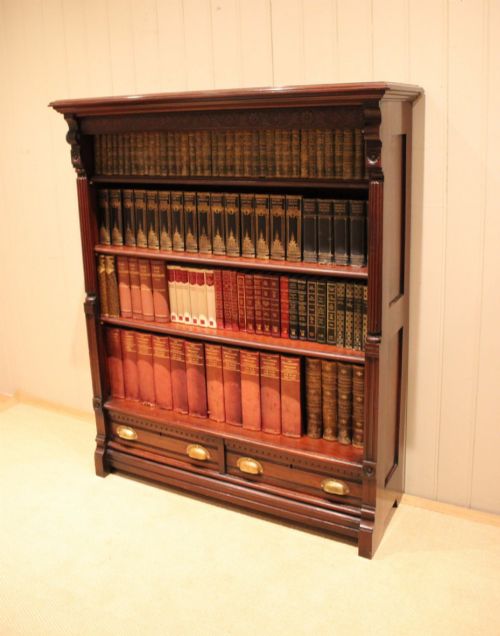
Many period bookcases and shelving units feature adjustable wooden shelves supported on fixed internal battens, designed to bear standard library loads.
Wall-hung variants require careful assessment of the timber thickness and bracket construction before supporting significant weight.
How do I distinguish Victorian from Edwardian styles?
Victorian pieces frequently display heavier proportions, darker ebonised or carved oak surfaces, and ornate details such as green man motifs or barley twist supports.
Edwardian items tend to present lighter mahogany frames, simpler inlaid stringing, and restrained ornamentation reflecting changing domestic tastes.
Where should I place a corner whatnot?
A corner whatnot fits into unused room junctions, utilising vertical space to display small collections without cluttering floor areas.
These tiers suit sitting rooms, hallways, and studies where decorative objects benefit from angled viewing angles.