



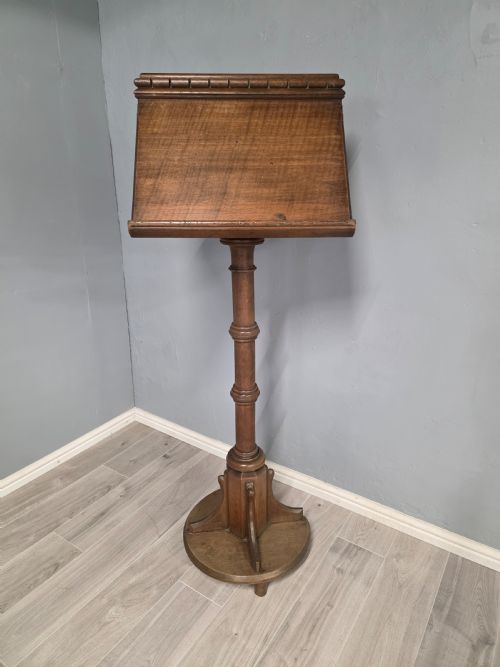




Carved Wood Reading Desk
A carved wood reading desk gathers the focus of a room, offering a solid surface or lectern for manuscripts and heavy volumes.
Carved Wood Reading Desk
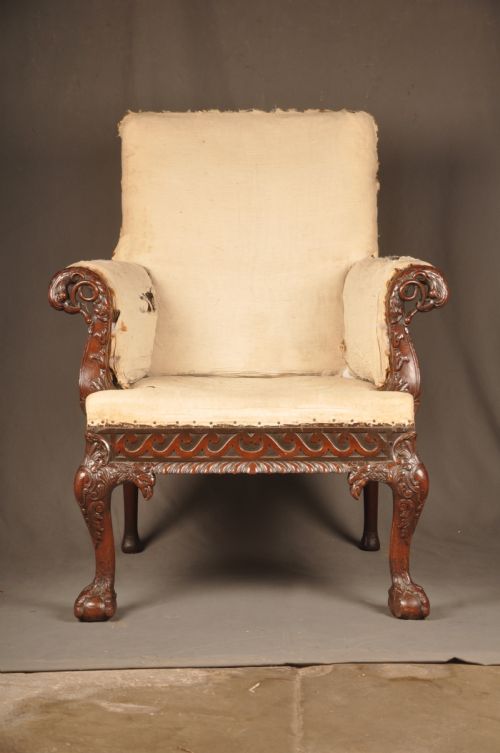
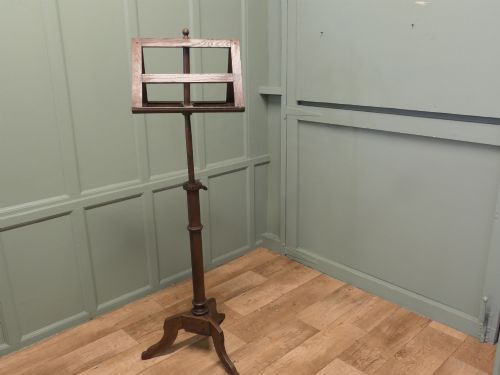
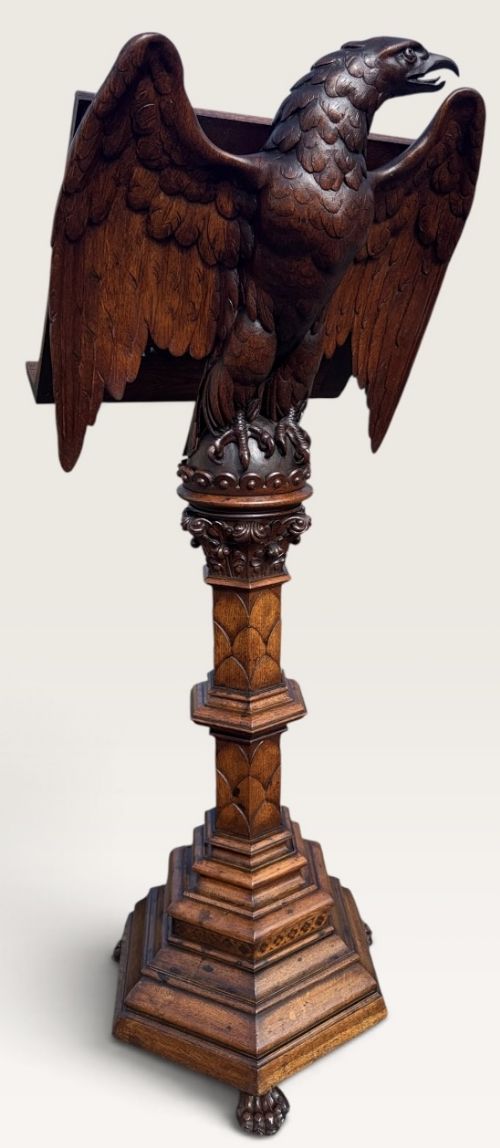
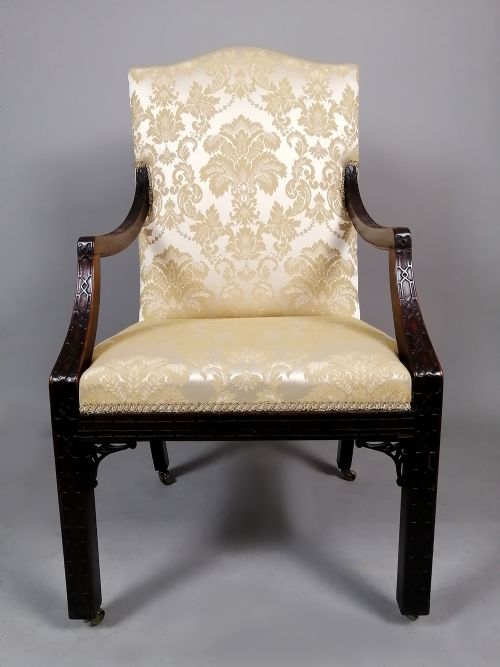
When you search for a carved wood reading desk, you encounter a varied group of furnishings spanning lecterns, library armchairs with writing surfaces, and book stands from the eighteenth century to the Edwardian period. The pieces appearing here run from oak church lecterns featuring carved eagles to mahogany library chairs and rosewood writing tables.
The assortment is heavily weighted toward seating designed for study, alongside dedicated oak and mahogany lecterns. You find nineteenth century craftsmanship dominating the selection, supplemented by earlier Georgian forms and later Edwardian interpretations.
Victorian examples bring carved details like spider web backs and Gothic Revival motifs, whilst Regency and William IV pieces lean on rich mahogany and rosewood grains. Every item serves the single purpose of supporting the reader or writer, whether standing at a pedestal or seated in an open armchair.
Assessing quality and execution
The distinction between standard utility items and exceptional pieces rests on the crispness of the carving and the selection of timber. Sharp relief work on oak lecterns or mahogany chair rails separates master carvers from routine workshop production.
Proportion and the integrity of the wood dictate value. Fine library chairs maintain balanced lines and original timber frames, whereas lesser examples show heavy restoration or mismatched components across the arms and legs.
Carved Wood Reading Desk Retail Price Guide 2026
Typical asking prices for carved wood reading desk among the pieces listed under this phrase on Sellingantiques today, from the lower quarter to the upper quarter. They describe what is for sale here now, not the wider market.
Carved wooden eagles stand ready to support weighty volumes on nineteenth century lecterns.
The Carved Wood Reading Desk Glossary
- Lectern
- A tall stand with a sloping top to hold a book or speech for a standing reader. These often feature carved wooden supports such as eagles or Gothic tracery.
- Library Chair
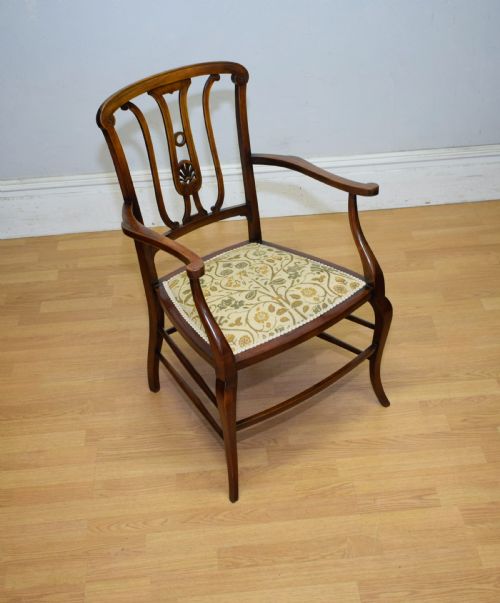
- A sturdy armchair designed for prolonged study, frequently constructed from mahogany or rosewood and paired with a desk or writing table.
- Gothic Revival
- A nineteenth-century style drawing inspiration from medieval architectural motifs like pointed arches and heavy carved oak panels.
- Gonçalo Alves
- A dense, exotic tropical hardwood displaying striking dark figuring, utilised in high-status nineteenth-century stands and tables.
- Drop-In Seat
- An upholstered wooden frame that lifts neatly out from the seat rails of a chair rather than being permanently fixed.
Carved Wood Reading Desk: Frequently Asked Questions
What is the difference between a lectern and a library chair?
A lectern is designed for a standing reader, featuring an inclined wooden surface or book rest that is often supported by a carved pedestal or column.
In contrast, a library chair provides seating for a desk or reading table, frequently combining a solid timber frame with upholstered elements and armrests.
How do I care for antique mahogany and oak furniture?
Keep wooden surfaces away from direct sunlight and steady heat sources to prevent the timber from drying out or splitting.
Apply a traditional beeswax polish sparingly and buff with a soft cloth to maintain the natural finish of the wood.
Are these pieces suitable for modern use?
These reading desks, lecterns, and chairs integrate well into modern studies, libraries, and living spaces as functional furniture.
Their solid construction ensures they handle daily reading and writing tasks just as they did in the nineteenth century.
How can I tell a Victorian piece from a Regency one?
Regency items typically display clean classical lines, restrained brass inlays, and dark mahogany timbers dating from the early part of the nineteenth century.
Victorian pieces often introduce heavier ornamentation, revival styles like Gothic tracery, and more elaborate carved wood details.