





Carved Wood Phoenix
A carved wood phoenix brings mythic presence into a room, drawing the eye instantly through intricate detail and dynamic form.
Carved Wood Phoenix
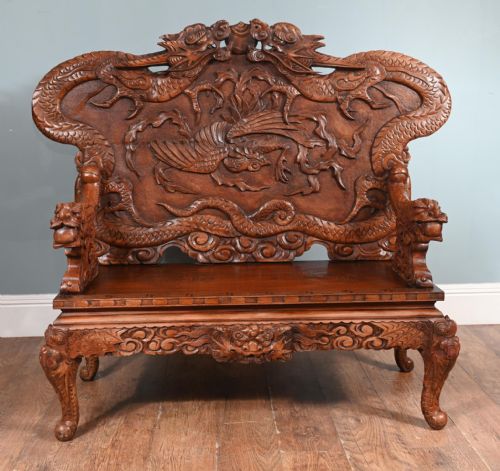
When searching for a carved wood phoenix, you encounter striking sculptures and figurative works, such as the Victorian Black Forest carving of a boy with a phoenix recorded in our inventory. These pieces merge mythical iconography with domestic decorative arts, capturing the mythical bird in dynamic poses.
The selections span distinct periods including the Victorian era and reflect diverse global craft traditions, notably Japanese Meiji period sensibilities and Chinese traditional forms like screens and cabinets. You are most likely to meet these mythical motifs integrated into sculptural figures or standing decorative works.
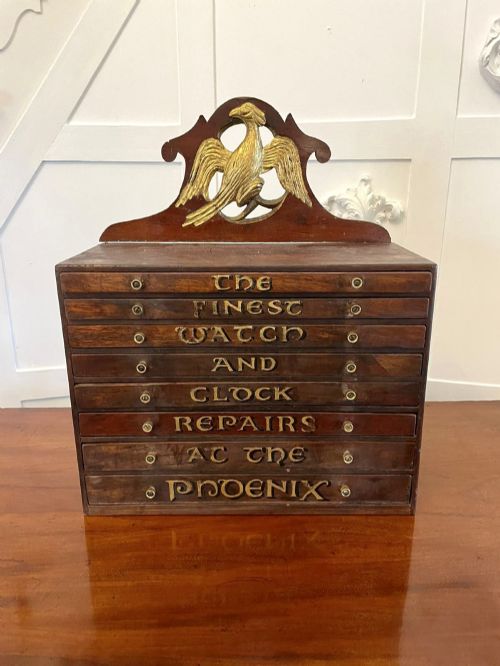
Objects carrying this imagery serve as focal points in a collection, demonstrating both narrative depth and skilled woodworking. They bridge European figurative carving and Asian decorative traditions, offering varied interpretations of the same legendary creature.
How they were made
The makers of these items relied heavily on dense hardwoods and mahogany, allowing artisans to achieve sharp relief and lasting structural integrity without splintering. These materials formed the robust substrate necessary for deep undercut carving and delicate plumage detailing.
Surface treatments frequently involved finishing techniques such as lacquer or gilding, adding lustre and protection to the underlying timber. Craftsmen combined hand-chizelling with careful polishing to ensure the carved feathers caught the light from multiple angles.
Carved Wood Phoenix Retail Price Guide 2026
Typical asking prices for carved wood phoenix among the pieces listed under this phrase on Sellingantiques today, from the lower quarter to the upper quarter. They describe what is for sale here now, not the wider market.
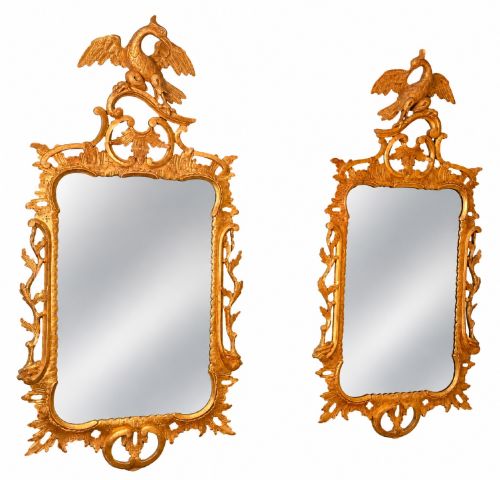
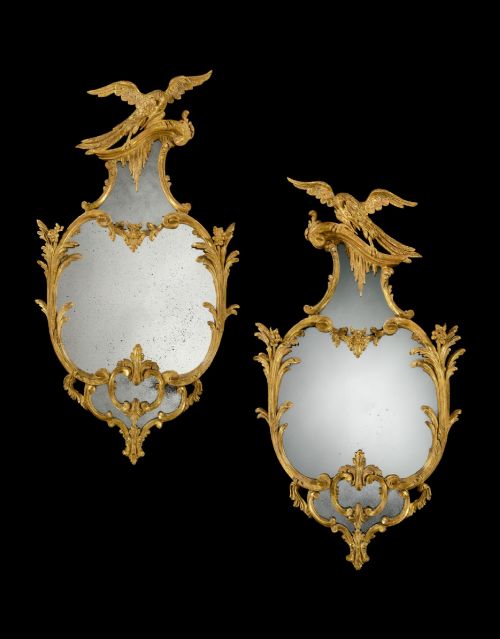
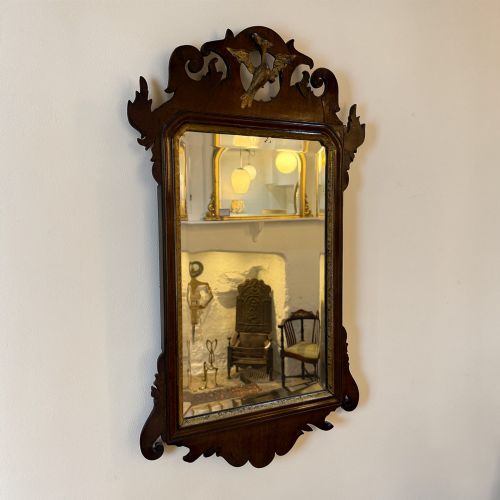
Listings feature mahogany, hardwood, and giltwood alongside glass, brass, and lacquer across Victorian, Georgian, and twentieth-century periods.
What varies in quality
Quality rests primarily on the depth of the carving and the vitality of the creature's posture, where superior examples exhibit fluid movement rather than stiff execution. A master carver imparts a lifelike tension to the wings and tail feathers, distinguishing exceptional artistry from routine production.
The integration of the motif into the broader object also dictates distinction, as seen when the carving complements the overall architecture of a cabinet or sculpture rather than appearing as an afterthought. Clean lines and deliberate proportions elevate certain items far above standard workshop output.
The Carved Wood Phoenix Glossary
- Black Forest carving
- A style of ornate wooden sculpture originating from the Swiss and German border regions during the nineteenth century. These pieces often depict animals and figurative scenes rendered in deep relief.
- Hardwood
- Timber derived from broad-leaved trees that offers exceptional density and durability. It provides the ideal medium for intricate, fine-scale carving.
- Lacquer
- A durable resin finish applied in multiple layers and polished to a smooth sheen. It protects the wood underneath while creating a rich decorative surface.
- Meiji Period
- A Japanese historical era spanning from the late nineteenth to early twentieth century. Craftsmanship from this time is noted for high technical precision and elaborate ornamentation.
- Giltwood
- Timber that has been treated with gold leaf or a gold-coloured metallic finish. This technique adds brilliance and catches ambient light in domestic interiors.
Carved Wood Phoenix: Frequently Asked Questions
What is a carved wood phoenix?
A carved wood phoenix is a sculptural or decorative item featuring the legendary bird rendered in timber. These pieces range from standalone figural carvings to integrated motifs on furniture.
They draw on various cultural traditions, reflecting both European and Asian artistic interpretations of the mythical creature.
How were these carvings used historically?
Historically, these items served as decorative focal points within domestic interiors, often displayed on mantelpieces, walls, or inside cabinets. They demonstrated the owner's taste for exotic or mythological themes.
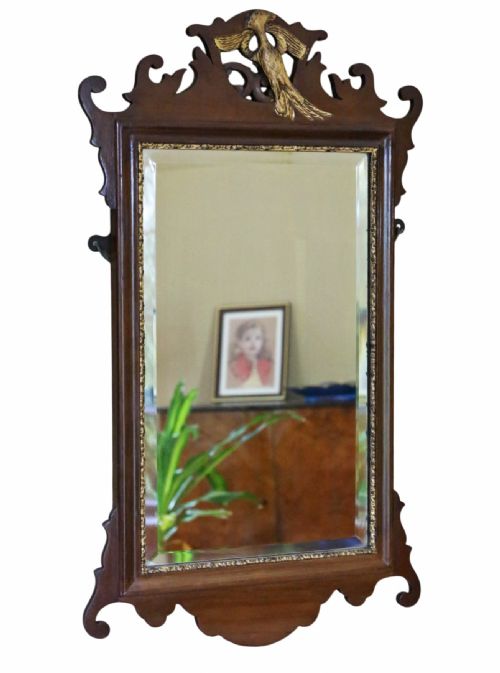
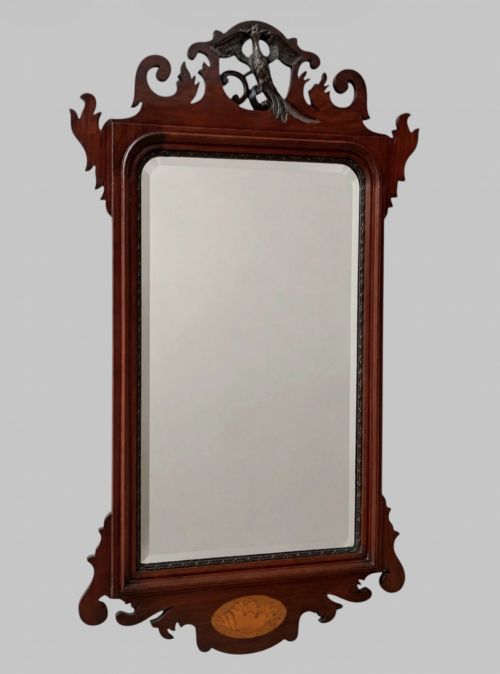
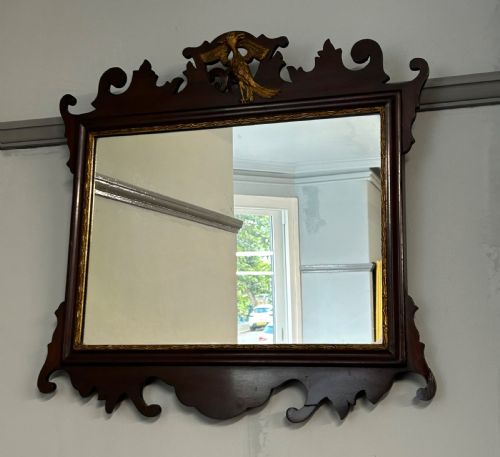
Craftsmen integrated the phoenix motif into mirrors, screens, and figurines to elevate the visual drama of a room.
How do I live with a wooden phoenix?
Living with these pieces involves placing them away from direct sunlight and sudden temperature fluctuations to protect the timber and any surface finishes. Regular dusting with a soft, dry cloth preserves the carved details.
Allowing the object space to stand out ensures its intricate forms remain a visual centrepiece in your home.
How can I tell periods apart?
Periods are distinguished by examining the tool marks, timber selection, and stylistic conventions specific to eras like the Victorian period or the Meiji era. European revival styles often mimic earlier Georgian aesthetics with crisp, mechanical precision.
Comparing the finishing techniques and regional carving styles helps clarify the likely date of origin for each piece.