

Carved Wood Occasional Chair
A carved wood occasional chair brings useful seating and period character into a room.
Carved Wood Occasional Chair
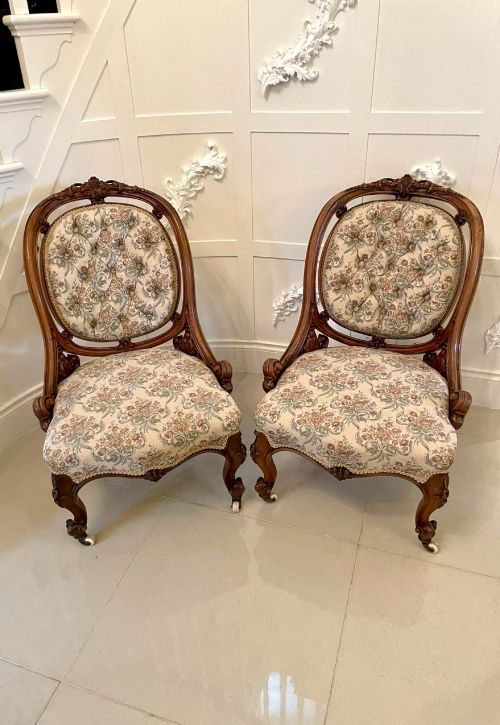
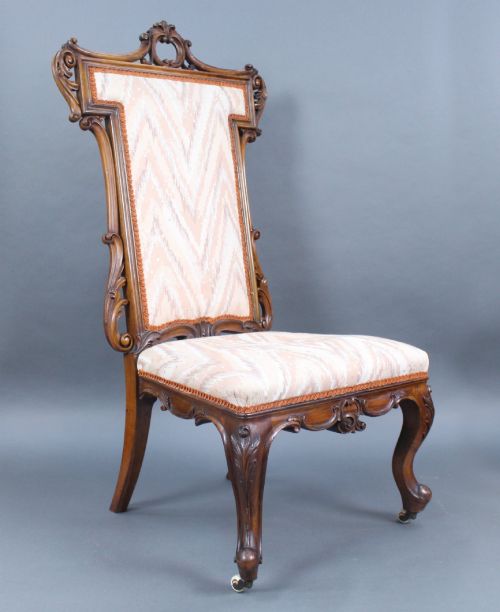
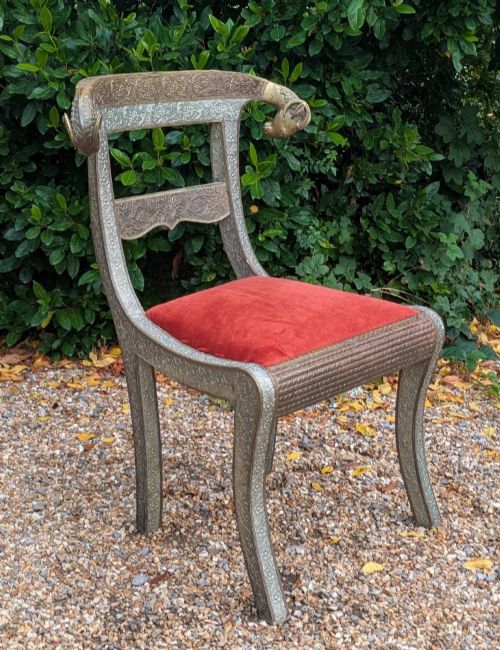
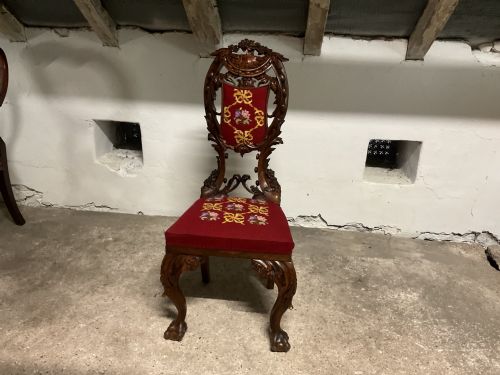
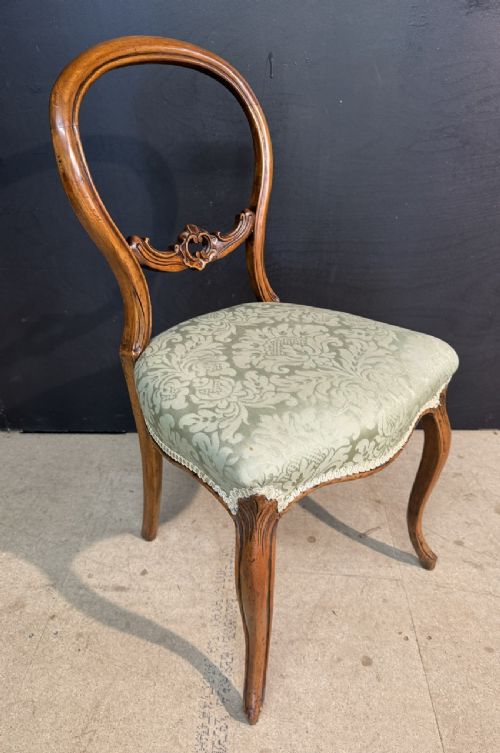
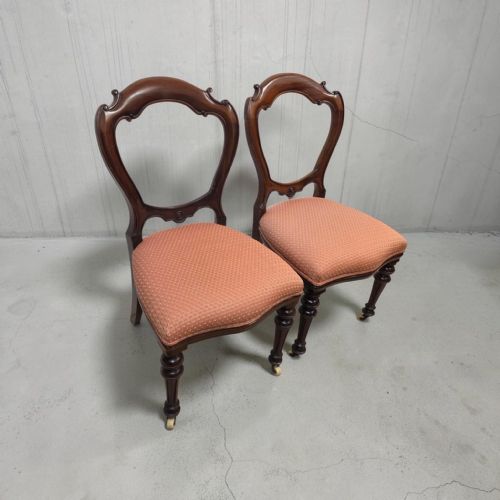
A carved wood occasional chair is a portable seat designed for light use in reception rooms, bedrooms, and parlours. You will most frequently encounter Victorian walnut and Edwardian beech examples featuring shaped backs and decorative frames.
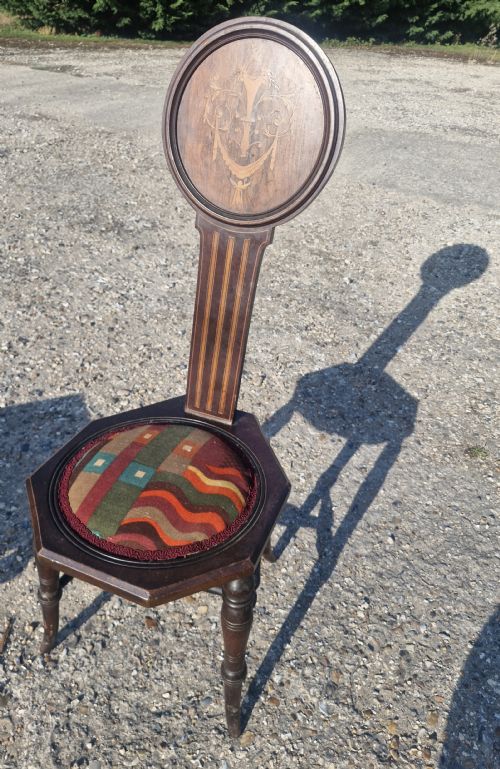
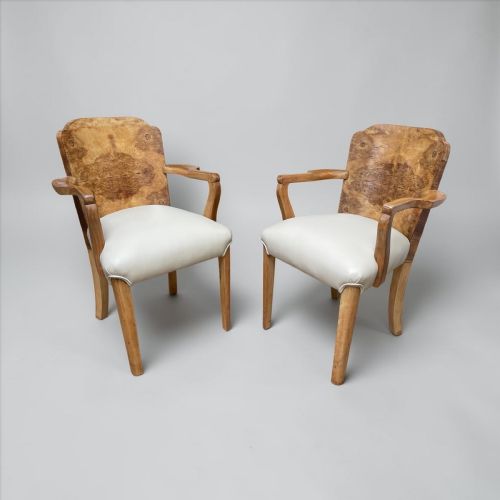
The selection ranges from mid-nineteenth-century balloon-back designs to early twentieth-century inlaid and cane-seated models. Makers utilised various woods including mahogany, walnut, oak, and fruitwood to build these versatile accent seats.
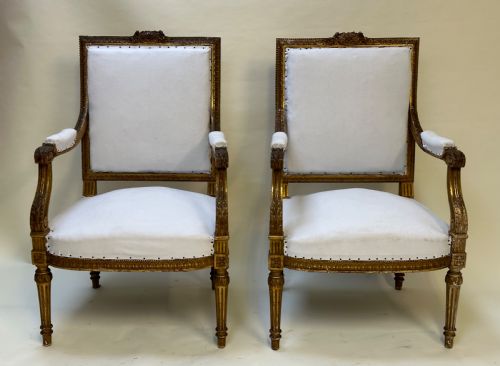
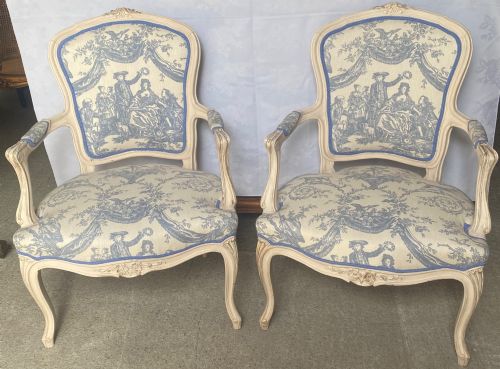
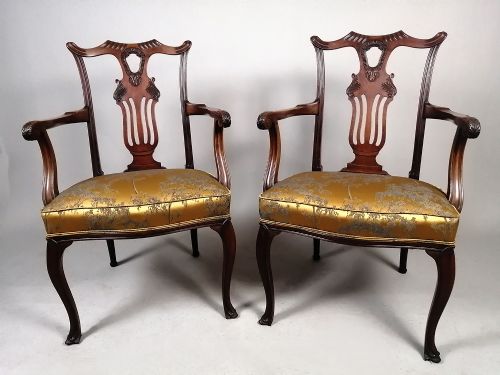
Makers shaped these chairs in numerous regional and revival styles, incorporating French giltwood, Louis XVI details, and Chippendale motifs. Their compact dimensions allowed them to be moved easily around a home for social gatherings.
Materials and construction
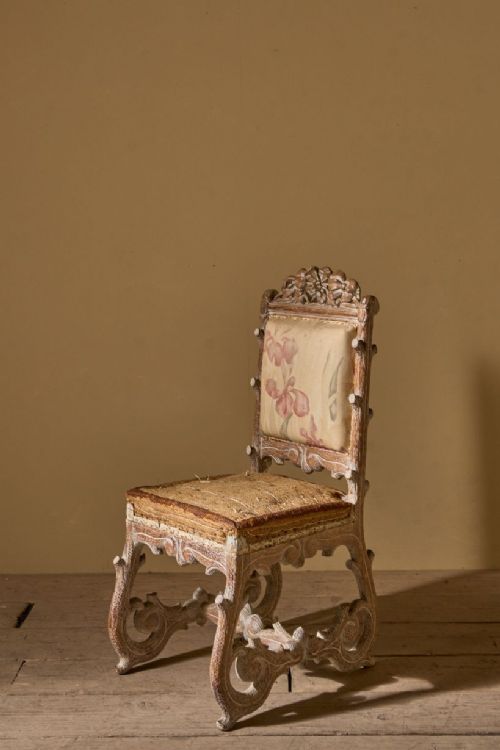
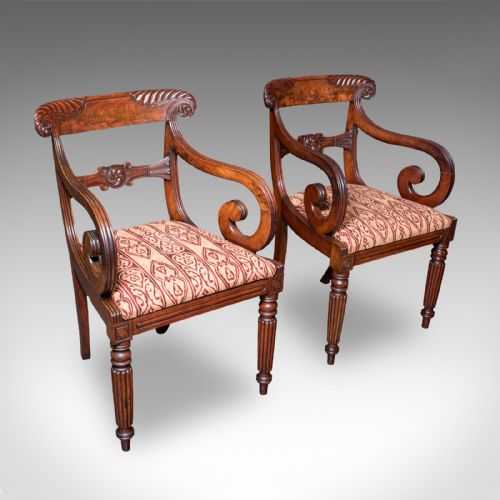
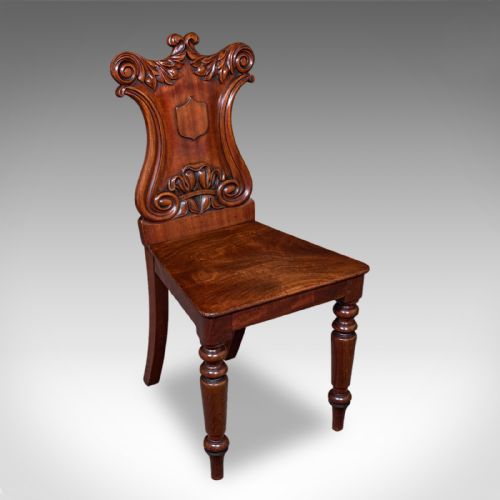
Makers constructed the primary frames of solid hardwoods such as walnut, mahogany, and beech, often employing hand-carved details along the crest rails and cabriole legs. These dense timbers provided the structural strength required for slender chair backs and delicate scroll arms.
Upholstery techniques varied from simple drop-in fabric pads to deep-sprung seats covered in velvet, textile, or floral materials. Makers finished certain frames with gilding, paint, or subtle wood inlay to suit formal parlour settings.
Carved Wood Occasional Chair Retail Price Guide 2026
Typical asking prices for carved wood occasional chair among the pieces listed under this phrase on Sellingantiques today, from the lower quarter to the upper quarter. They describe what is for sale here now, not the wider market.
Materials span mahogany, walnut, beech, fruitwood, giltwood, brass, and various textiles.
Assessing quality and craftsmanship
Quality in a carved wood occasional chair rests upon the crispness of the hand-carved ornamentation and the selection of figured timber. Superior examples display deep, sharp relief work on the crest rails and sturdily joined framing timbers that remain rigid under weight.
The sophistication of the silhouette and the integrity of the original upholstery platform distinguish finer pieces from standard production. Well-executed revival styles reflect careful adherence to historical proportions and balanced decorative schemes.
James Shoolbred
The Carved Wood Occasional Chair Glossary
- Balloon-back
- A chair back shaped in a continuous oval curve resembling a balloon, popular during the Victorian period.
- Cabriole leg
- A furniture leg that curves outward at the knee and tapers inward toward an ornamental foot.
- Giltwood
- Timber surface coated with gold leaf or a gold-coloured metallic finish for a decorative effect.
- Lyre-back
- A chair back featuring an open splat shaped in the outline of a classical musical lyre.
Carved Wood Occasional Chair: Frequently Asked Questions
What is an occasional chair?
An occasional chair is a moveable seat intended for secondary use in living spaces, bedrooms, or hallways rather than primary dining.
These pieces were built to be lightweight and decorative, filling gaps in room layouts where extra seating was needed briefly.
How do I date a wooden chair?
Dating relies on identifying the prevailing timber choices, structural joinery methods, and decorative styles recorded in the period.
Victorian pieces often feature heavy walnut and balloon backs, whereas Edwardian examples frequently utilise lighter beech frames and subtle floral inlay.
Where should I place an antique chair?
These chairs suit low-traffic areas such as corners of bedrooms, reception hallways, or beside a dressing table.
Their compact proportions allow them to integrate easily into modern interiors without overwhelming the floor space.
What woods were used?
Makers constructed frames from dense hardwoods including mahogany, walnut, oak, fruitwood, and beech.
Certain formal salon pieces received a giltwood or painted finish to mimic French seating trends.