




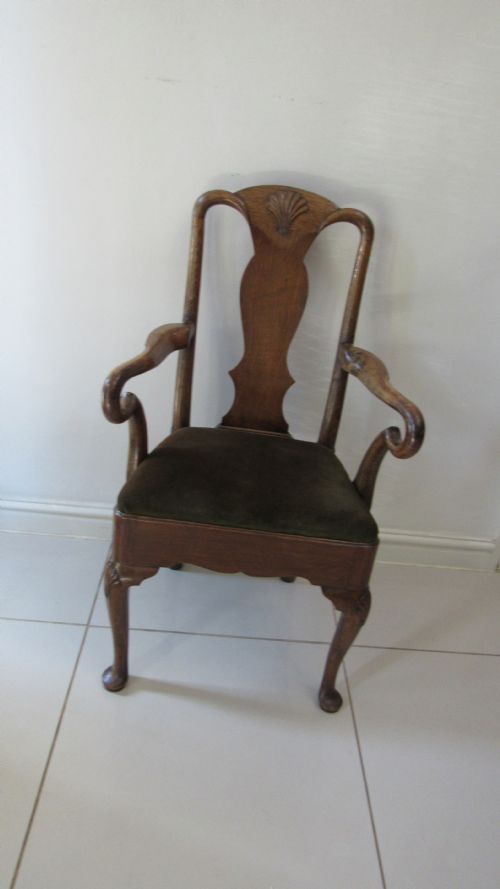


Carved Wood Nursery Chair
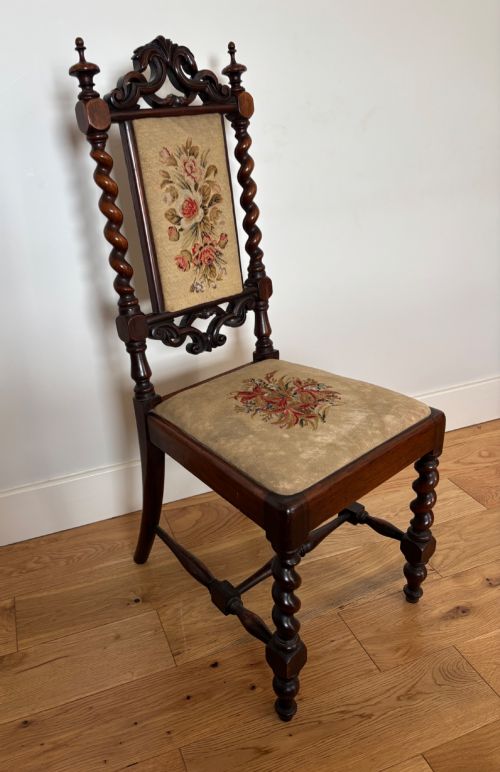
A carved wood nursery chair brings miniature craftsmanship home, offering smaller seating scaled for children across Victorian and Regency periods.
Carved Wood Nursery Chair
When you search for a carved wood nursery chair, you encounter a variety of small seating forms created for children during the nineteenth and early twentieth centuries. These pieces appear in styles such as Victorian, English Country, Aesthetic Movement, and Regency Style, reflecting the domestic tastes of their respective eras.
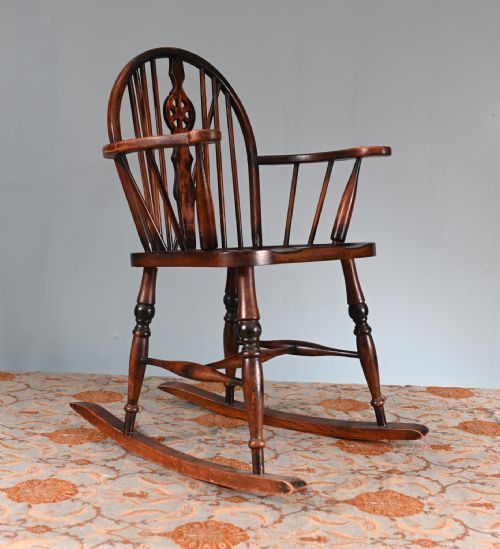
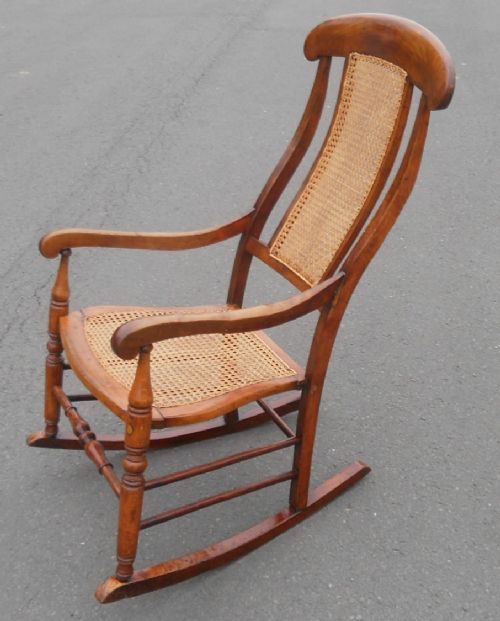
The selections available include rocking chairs, armchairs, commode chairs, and side chairs fashioned specifically for younger occupants. Many examples utilise traditional regional forms like the Windsor chair, alongside cane and rush seat variations.
Most pieces date from the Victorian period or the nineteenth century, with occasional examples from the 1920s and 1930s. Woods like mahogany, beech, ash, and oak predominate, paired with rush, cane, and fabric elements.
How they were made
Maker construction relies heavily on solid hardwoods such as mahogany, beech, ash, and oak, shaped into spindles, legs, and frames. Turning and steam-bending techniques form the structural framework for chairs intended to withstand everyday use by children.
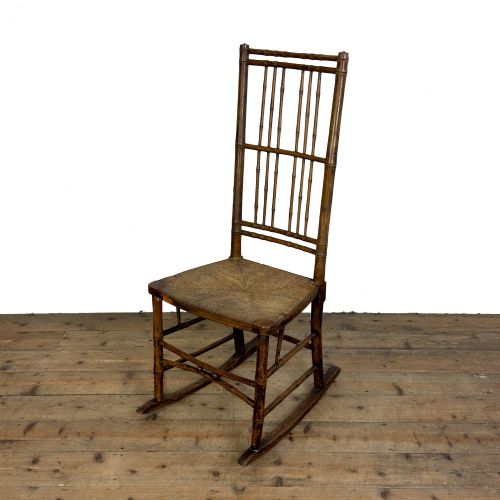
Seating areas frequently incorporate woven cane, rush, or upholstered fabric supported by wooden rails. Details like faux bamboo turning and carved wooden elements reflect the aesthetic preferences of the nineteenth century.
Carved Wood Nursery Chair Retail Price Guide 2026
Typical asking prices for carved wood nursery chair among the pieces listed under this phrase on Sellingantiques today, from the lower quarter to the upper quarter. They describe what is for sale here now, not the wider market.
Some miniature rocking chairs were built sturdy enough for generations of children to test their balance indoors.
What varies in quality
Quality separates standard utilitarian items from finer decorative pieces through the crispness of the wood carving and the precision of turned components. Finer examples display harmonious proportions that faithfully mirror full-sized period seating rather than looking clumsy.
The integrity of secondary materials like woven cane and rush seats dictates the standard of preservation. Expertly woven seating surfaces maintain appropriate tension and complement the quality of the surrounding wooden frame.
The Carved Wood Nursery Chair Glossary
- Bergere
- An upholstered armchair with enclosed sides where the back and arms are typically filled with cane work. This French-inspired form appears in nineteenth-century children's seating.
- Windsor
- A chair built with a solid wooden seat into which the legs and back spindles are direct-tenoned. These robust pieces often feature wheelback or comb-back designs.
- Commode chair
- A seating item constructed with a concealed chamber pot enclosure beneath the lift-up seat or drawer. Victorian nursery examples combine this utility with domestic seating.
- Rush seat
- A seating surface woven from dried marsh rushes twisted into cords. It provides a durable and traditional texture found on country and period chairs.
- Faux bamboo
- A decorative treatment where wood is turned and carved to imitate natural bamboo joints. This style gained popularity during the Victorian and Aesthetic periods.
Carved Wood Nursery Chair: Frequently Asked Questions
What is a nursery chair?
A nursery chair is a small-scale seat designed specifically for children or for adults tending to infants in a nursery setting.
These pieces range from miniature armchairs and rockers to commode seats produced during the nineteenth and early twentieth centuries.
Were these chairs meant for children?
Many of these pieces were indeed constructed for the daily use of children in domestic settings.
Some variations served specific domestic functions, such as commode chairs or low nursery rocking chairs used by adults while nursing.
How do I date a wooden nursery chair?
Dating relies upon identifying stylistic markers, construction techniques, and the specific woods utilised in the frame.
Victorian, Regency, and later nineteenth-century examples display distinct turning styles, joinery methods, and upholstery materials typical of their respective decades.
How should I care for antique wood seating?
Protect antique wood by maintaining stable room humidity and avoiding direct exposure to strong sunlight or heat sources.
Gentle dusting with a dry cloth preserves the polished surface without damaging fragile cane, rush, or fabric elements.