



Carved Wood Ladder
These carved wood ladder pieces offer sturdy practical utility and classic forms, spanning library steps and seating.
Carved Wood Ladder
When you search for carved wood ladder items, you are looking at utilitarian library steps and ladder-back seating spanning the 18th century to the Edwardian period. These objects combine practical utility with traditional joinery, originating from British, Irish, and Swedish workshops.
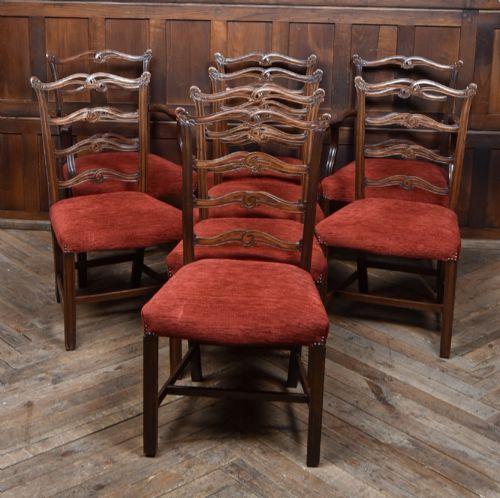
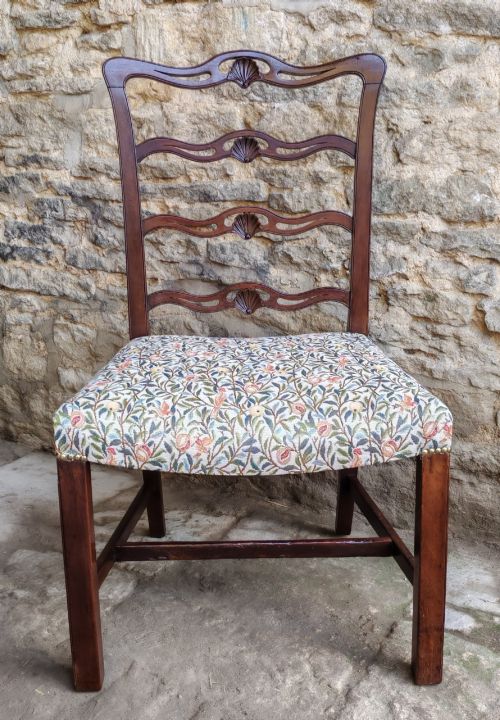
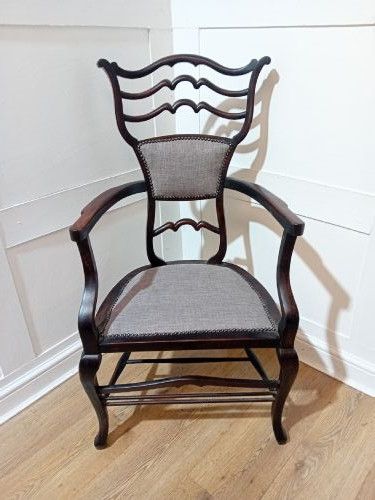
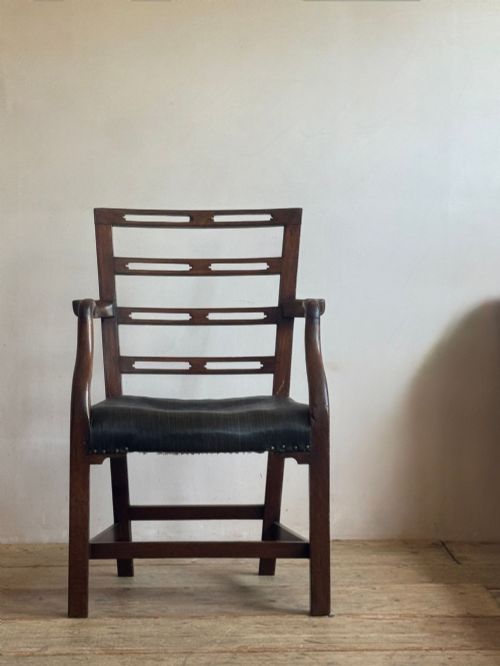
The most common examples on this page are dining chairs, armchairs, and library steps fashioned from mahogany, pine, and oak. Pieces range from rustic farmhouse designs and Gothic revival library steps to formal Georgian mahogany ladderback desk chairs and Edwardian empire period chairs.
How they were made
Cabinetmakers and joiners constructed these items using solid timbers such as mahogany, oak, and pine. Structural stability was achieved through traditional framing and joinery techniques suited to weight-bearing furniture like library steps and seating.
Detailing often included carved wooden ladder backs, brass fittings, and upholstered elements featuring fabric, leather, tapestry, and upholstery studs. Painted finishes also appear on specific regional examples like Swedish chairs.
Carved Wood Ladder Retail Price Guide 2026
Typical asking prices for carved wood ladder among the pieces listed under this phrase on Sellingantiques today, from the lower quarter to the upper quarter. They describe what is for sale here now, not the wider market.
Listings span the 18th, 19th, and early 20th centuries, featuring materials from mahogany and oak to pine, leather, and tapestry.
What varies in quality
The distinction between standard utility items and finer examples rests on the selection of timber and the crispness of the carving. Dense hardwoods like mahogany show finer detail in carved ladder rails compared to simpler pine or oak utility pieces.
Original hardware, such as brass fittings on library steps, and the retention of early upholstery materials contribute to a higher degree of historical integrity. Construction robustness also marks the difference between everyday regional seating and formal library furniture.
The Carved Wood Ladder Glossary
- Ladder-back
- A chair back constructed with a series of horizontal wooden slats resembling the rungs of a ladder. This traditional form provides sturdy back support.
- Library steps
- Portable wooden steps designed for reaching high bookshelves in a library. These frequently incorporate folding mechanisms or sturdy A-frame structures.
- Mahogany
- A durable, reddish-brown tropical hardwood favoured for fine furniture. Its stability allows for precise carving on chairs and furniture frames.
- Gothic Revival
- An architectural and decorative style drawing inspiration from medieval forms. It appears on library steps and seating with pointed arches and characteristic vertical lines.
Carved Wood Ladder: Frequently Asked Questions
Are these library steps sturdy enough for daily use?
Most wooden library steps from the 18th and 19th centuries remain structurally sound for regular climbing when constructed from dense timbers like oak or pine. Their solid A-frame designs were originally built for practical daily functionality in private and institutional libraries.
Buyers should examine the joints and steps for stability rather than decorative finish. Traditional joinery ensures these functional pieces can still support weight safely in a modern home.
What is the difference between library steps and ladderback chairs?
Library steps are functional climbing furniture designed to reach high shelves, often taking an A-frame form in pine or oak. Ladderback chairs are seating furniture featuring horizontal rungs across the backrest, commonly made from mahogany or fruitwoods.
While both share ladder-like structural elements, their intended domestic purposes and forms are entirely distinct. One provides vertical reach while the other offers seated support.
How should I care for antique mahogany ladderback chairs?
Maintain mahogany frames by applying occasional quality paste wax to nourish the timber and preserve its natural sheen. Keep wooden furniture away from direct heat sources and dramatic humidity fluctuations to prevent wood splitting.
Avoid harsh chemical cleaners that can strip the historic finish or damage original upholstery studs and fabric. Gentle dusting with a soft cloth is sufficient for routine maintenance.