

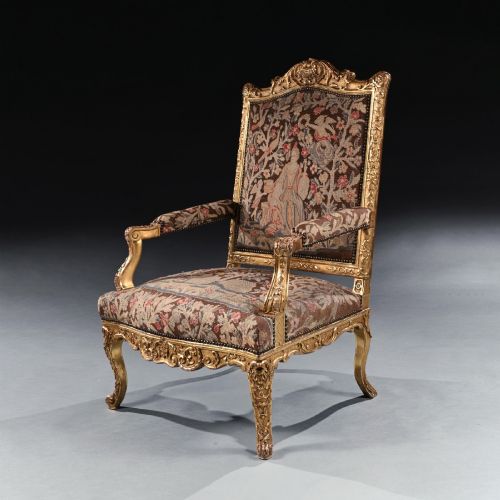
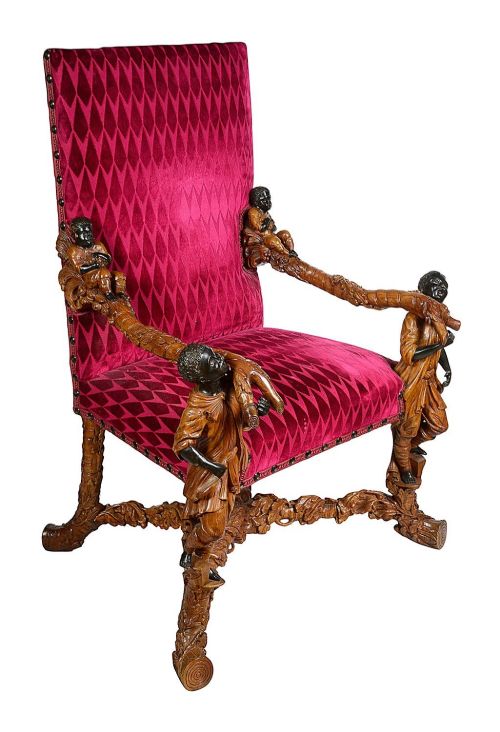
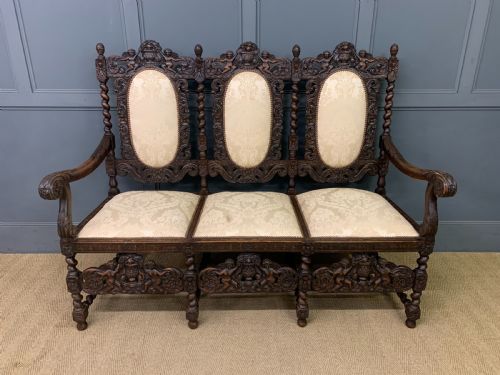
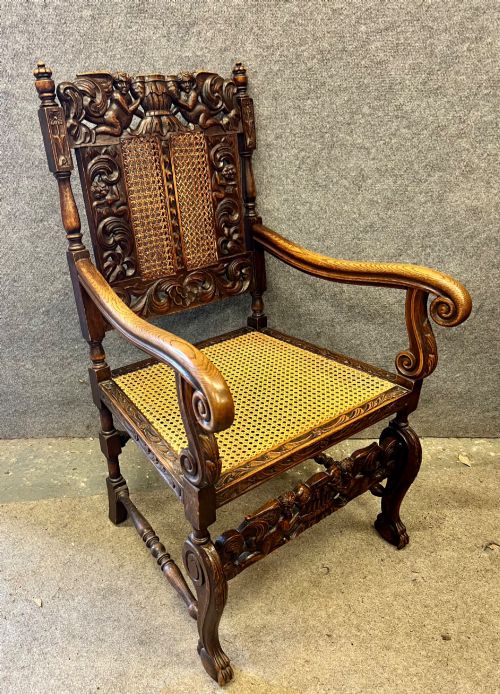
Carved Wood High Chair
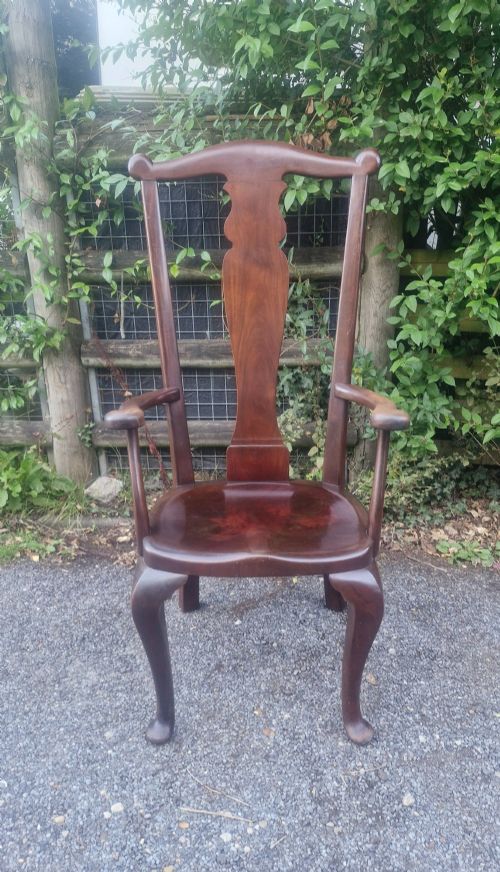
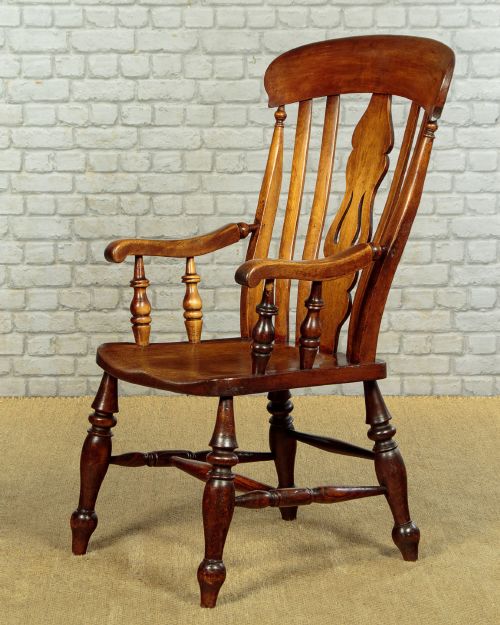
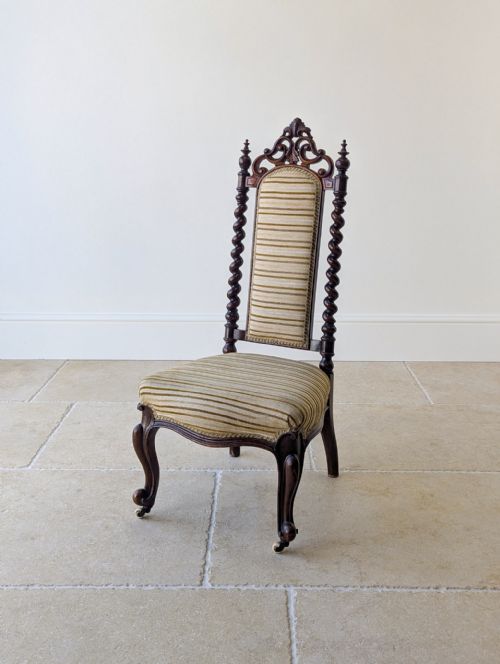
A carved wood high chair provides solid timber framing and elevated seating, combining sculptural depth with practical utility.
Carved Wood High Chair
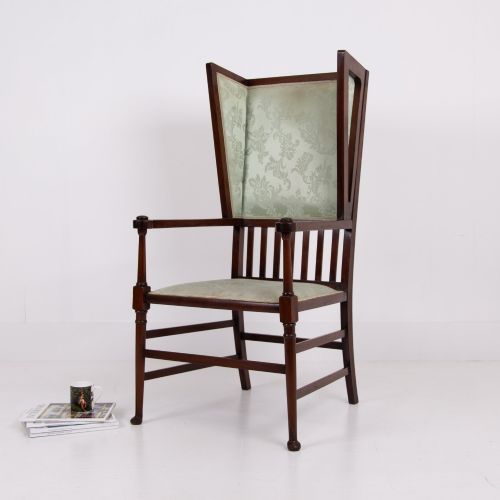
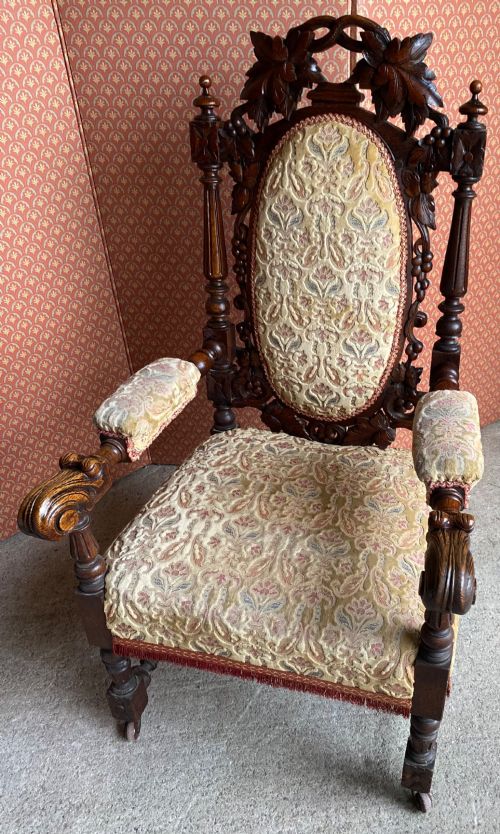
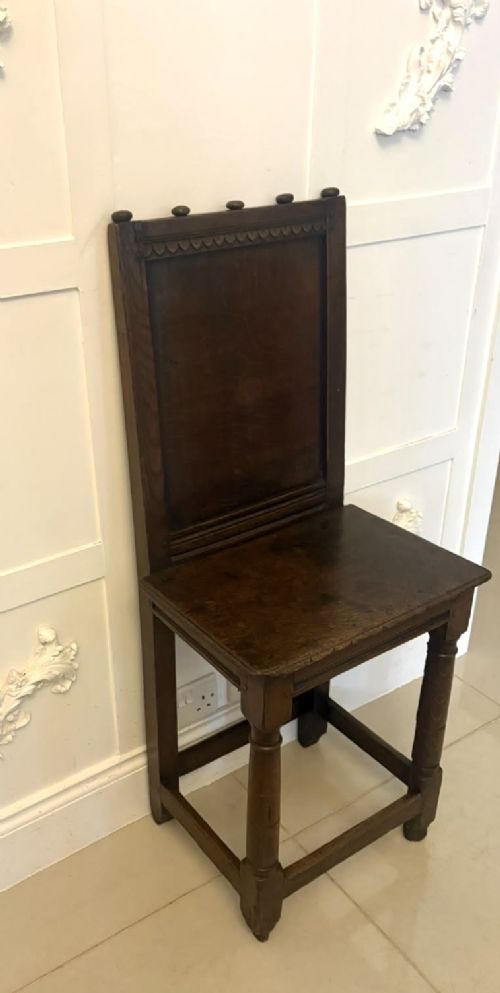
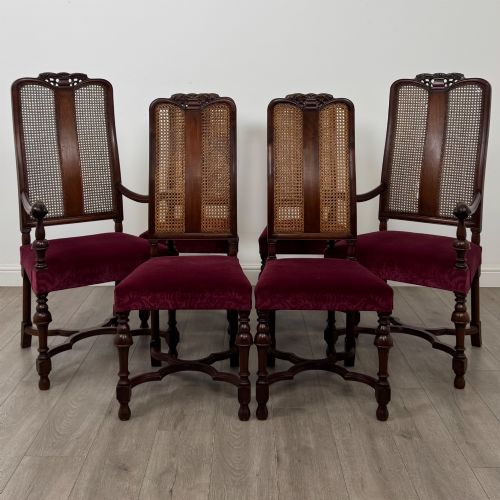
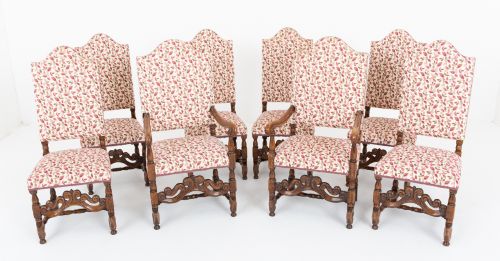
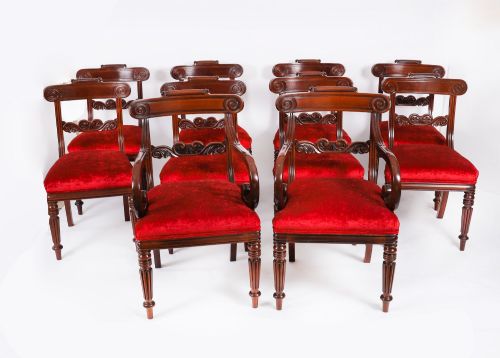
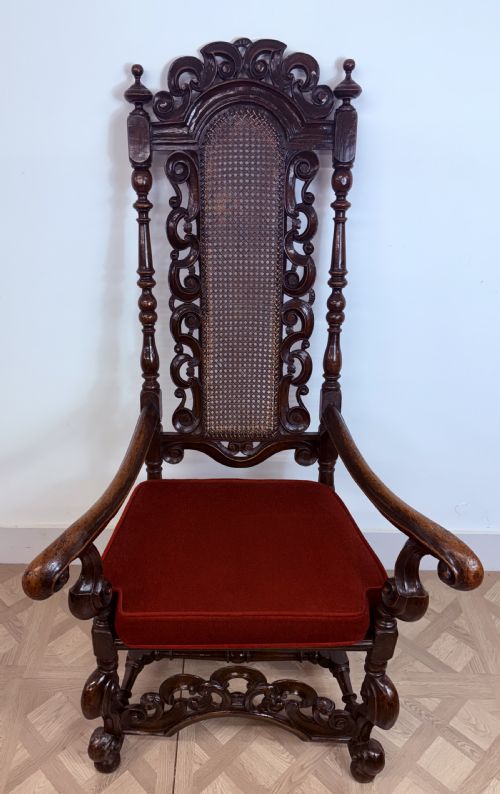
A carved wood high chair brings together sturdy timber construction and elevated proportions, meeting the search phrase through substantial forms like high back chairs, throne chairs, and desks armchairs. These pieces surface in periods spanning the seventeenth century, Victorian era, and early twentieth century, offering a glimpse into historical seating requirements.
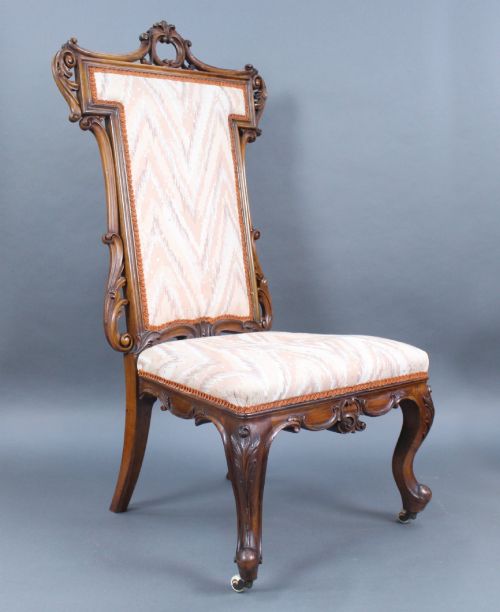
The versions most commonly met in these listings include robust oak and walnut frames influenced by Jacobean Revival, Carolean, and Victorian styles. Such chairs often incorporate intricate chisel work along the crest rails and stiles, reflecting the decorative priorities of their respective periods.
Materials and construction
Makers relied on durable hardwoods such as oak, walnut, and mahogany, frequently pairing heavy timber frames with turned legs and stretchers for structural stability. Secondary elements like cane panels, brass tacks, and upholstered fabric inserts introduced texture and comfort to the rigid wooden skeletons.
Carving techniques required skilled hand work, utilising gouges and chisels to yield deep relief motifs including scrolls, foliage, and crests directly onto the solid wood components.
Carved Wood High Chair Retail Price Guide 2026
Typical asking prices for carved wood high chair among the pieces listed under this phrase on Sellingantiques today, from the lower quarter to the upper quarter. They describe what is for sale here now, not the wider market.
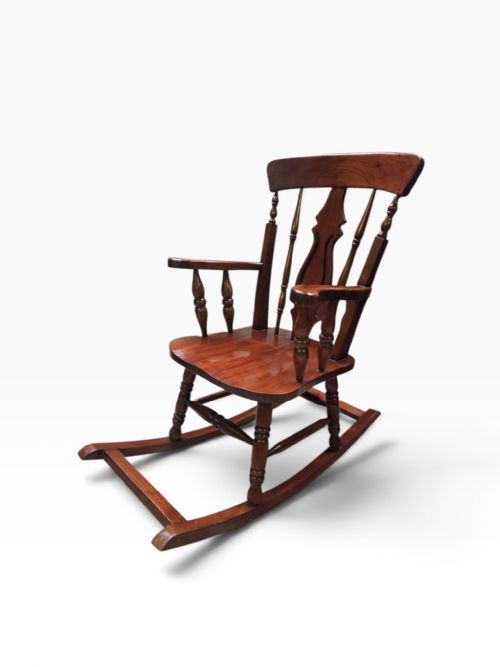
Among the towering oak seats and mahogany frames, a faux bamboo rocking chair waits to confuse anyone expecting rigid formality.
Distinguishing quality
The distinction between ordinary production and superior work rests in the depth and crispness of the hand carving, where sharp relief and balanced symmetry indicate a competent hand. Superior examples display thoughtful grain selection in timbers like walnut or mahogany, ensuring that the natural figuring enhances rather than competes with the ornamental design.
Structural integrity also separates the better pieces, seen in tight joinery and original timber components that have avoided excessive replacement or unsympathetic repairs over the centuries.
Andrea Brustolon
The Carved Wood High Chair Glossary
- Carolean
- A style associated with the reign of Charles II, characterised by rich wood carving, scrollwork, and crown motifs. This aesthetic heavily influenced later revival seating.
- Jacobean Revival
- A nineteenth and early twentieth century movement that copied or reinterpreted seventeenth century English furniture forms. Pieces typically employ dark oak with geometric mouldings and turned supports.
- Cane
- Material woven from peeled rattan stems, utilised for chair backs and seats to provide a resilient, decorative mesh surface.
- Crest rail
- The top horizontal member of a chair back, frequently shaped, carved, or branded with maker details.
- Stile
- The upright vertical side post of a chair back, running from the seat up to or past the crest rail.
Carved Wood High Chair: Frequently Asked Questions
What is a carved wood high chair?
A carved wood high chair is a sturdy timber seating piece featuring an elevated back or frame and ornamental chisel work. These items draw on historical aesthetics ranging from seventeenth century styles to Victorian revivals.
Such chairs served functional roles in domestic and institutional settings while displaying the decorative skills of period woodworkers through detailed panel work and turned supports.
How were high chairs used historically?
These elevated seats were utilised at desks, dining tables, or in grand rooms where stature and posture mattered. High backs and armrests provided physical support and denoted status.
Over different centuries, similar elevated forms adapted to changing domestic habits, shifting from formal parlour seating to practical library and study use.
How do I live with antique chairs?
Living with antique wooden seating involves placing pieces away from direct heat sources and sudden humidity shifts to protect the timber and glue joints. Regular dusting keeps carved crevices clean without harming the finish.
Using them thoughtfully in everyday spaces allows you to appreciate their craftsmanship while ensuring the historical frames remain stable for daily use.
How do I tell periods apart?
Dating these chairs relies on observing timber choices, joinery methods, and stylistic motifs. Seventeenth century and revival pieces often feature heavy oak with deep geometric carving, whereas Victorian examples tend to use walnut or mahogany with softer, rounded contours.
Examining the underside and construction joints provides further clues regarding whether a piece belongs to an original period or a later revival movement.