


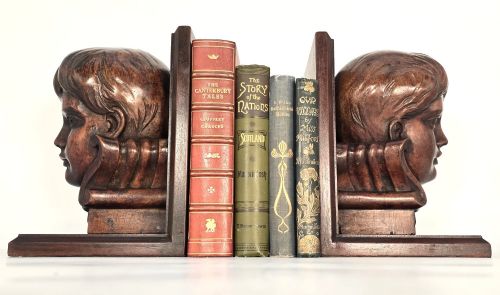
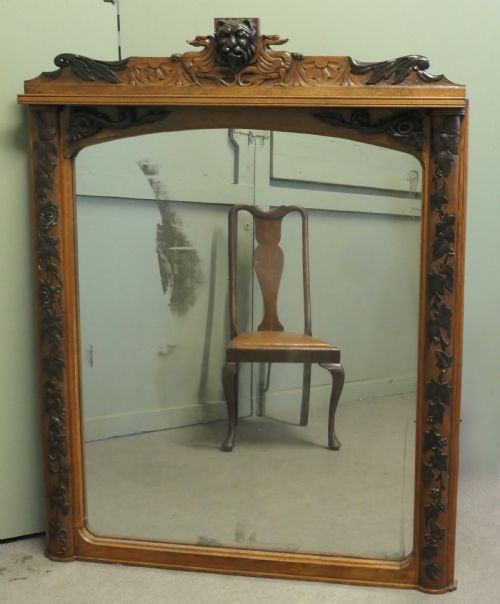
Carved Wood Heads
When you handle carved wood heads, you touch centuries of human patience carved into oak, walnut, and olive wood.
Carved Wood Heads
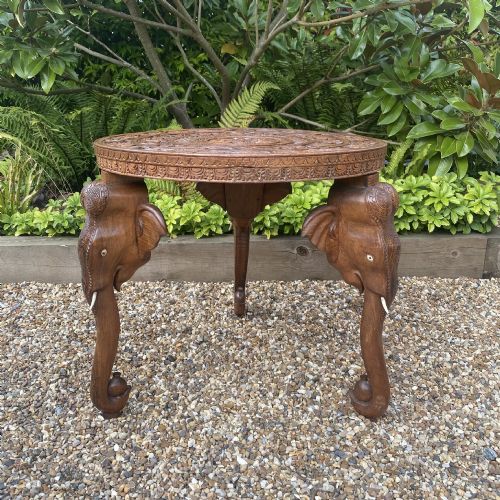
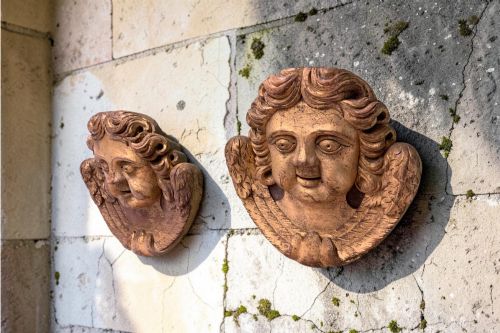
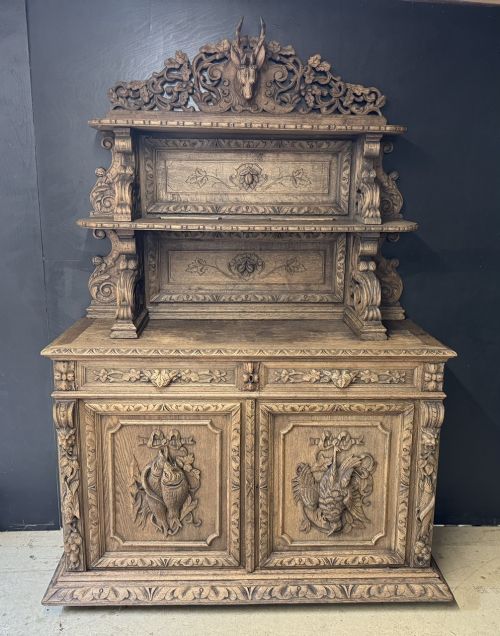
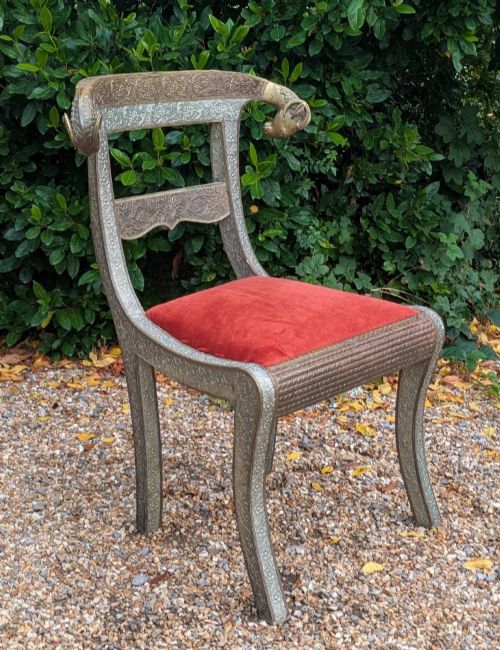
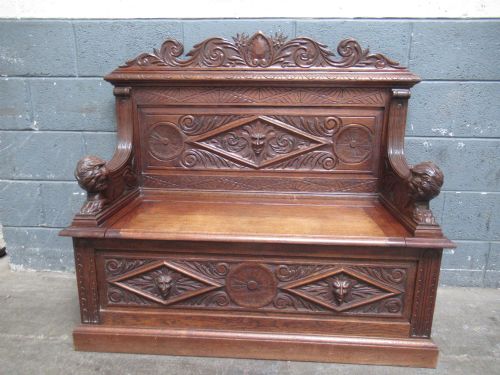
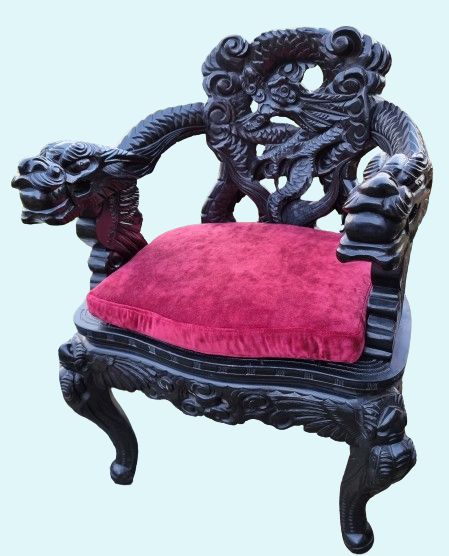
Carved wood heads appear across various decorative and functional objects, emerging as standalone sculptures, architectural brackets, or the striking terminals of walking sticks and furniture frames. Collectors encountering carved wood heads on this page will spot distinct regional traditions, from Swiss animal trophies to European ecclesiastical putti and African tribal guardian figures.
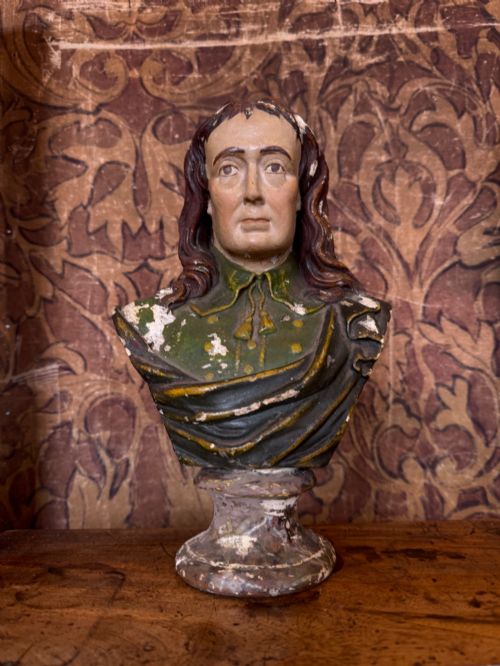
The selection spans centuries of craftsmanship, drawing on Victorian, Black Forest, and 18th-century French aesthetics alongside Asian and African tribal art forms. Pieces range from life-size walnut portrait busts and folk art millinery blocks to decorative wall brackets and fierce animal mounts fashioned from hardwood or pine.
Materials and Techniques
Regional workshops utilised specialised hand tools to shape everything from miniature animal handles on silver-mounted canes to monumental religious sculptures and architectural furniture elements. The interplay between natural timber grain and applied surface decoration defines the physical presence of each piece.
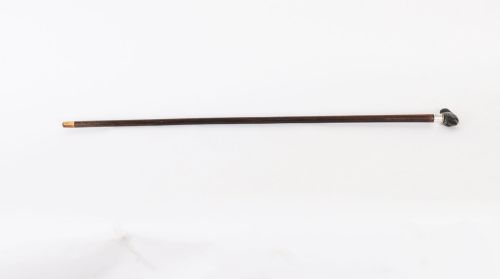
Some walking sticks disguise a hidden sword beneath a cheerful carved animal head handle.
Assessing the Carving
Quality rests entirely in the confidence of the hand behind the tool, distinguishing lively, anatomically convincing facial expressions from stiff or generic execution. Superior examples display depth in undercut hair, expressive eye placement, and a sensitive understanding of timber movement that preserves the vitality of the subject.
The integration of the head into its parent object - whether a walking stick handle, a piece of furniture, or a standalone bust - reveals the maker's discipline and intent. Finer works maintain crisp detail across secondary surfaces, whereas lesser pieces rely on heavy surface finishes to obscure soft or hurried chisel work.
George Henry Paulin
The Carved Wood Heads Glossary
- Polychrome
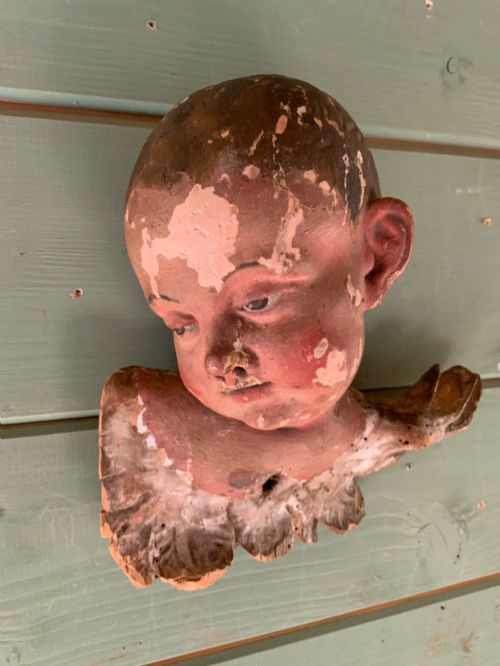
- Painted in several colours. This surface treatment appears frequently on religious figures and folk art pieces.
- Monopodia
- A single support or leg, often terminating in an animal or human head. Thomas Hope popularised this classical revival motif.
- Byeri
- A reliquary guardian figure from the Gabon Fang culture. These carved wooden heads protected ancestral bones.
- Putti
- Depictions of chubby male infants, often winged. They feature prominently in Baroque and 18th-century decorative carvings.
- Mangle board
- A domestic wooden laundry tool from Scandinavia. These boards frequently terminate in carved horse head handles.
Carved Wood Heads: Frequently Asked Questions
What are carved wood heads?
Carved wood heads are sculptural depictions of human, animal, or mythical figures fashioned from various timbers by historical artisans. They appear as standalone portrait busts, architectural wall ornaments, and decorative terminals on walking sticks or furniture.
These pieces reflect the artistic priorities of their home cultures, ranging from European ecclesiastical sculpture and folk art to African tribal art and Black Forest animal carvings.
How were carved wood heads used?
Historical uses varied widely depending on the form and origin of the object. Many served as spiritual guardians, architectural supports, or decorative trophies within domestic interiors.
Others functioned practically as walking stick handles, millinery display blocks, or furniture mounts, combining utility with decorative sculpture.
How do I care for wooden sculptures?
Wooden sculptures require stable environmental conditions away from direct heat sources and strong sunlight to prevent timber cracking. Dusting with a dry, soft cloth is generally sufficient for routine maintenance.
Avoid applying modern furniture polishes or oils unless recommended for the specific surface finish, particularly on antique polychrome or waxed pieces.
How do I date a carved head?
Dating relies on examining tool marks, timber shrinkage, style, and the context of the object it accompanies. Comparative study of regional carving conventions helps narrow down the period.
Wear patterns and the natural patina of the wood also provide strong indicators of age and handling over time.