

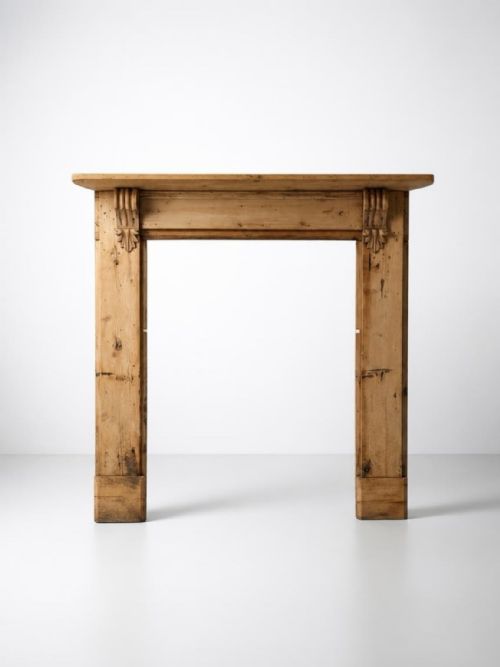
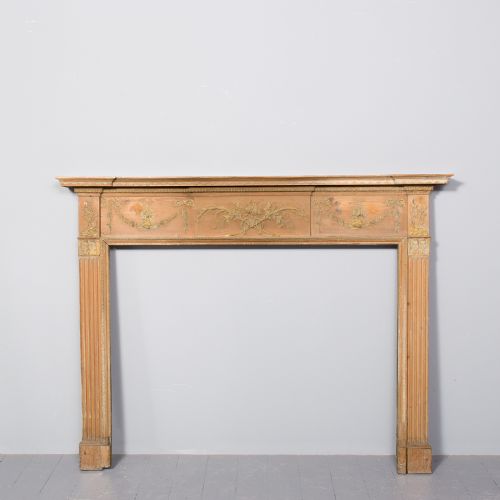


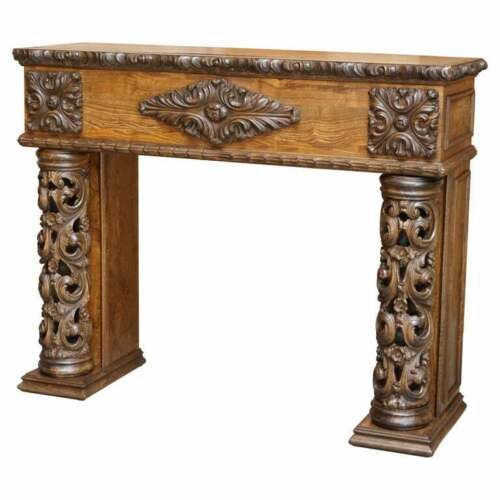


Carved Wood Fire Surround
These carved wood fire surround examples bring heavy timber character to a room, offering the warmth of pine, oak, and mahogany built to anchor period interiors.
Carved Wood Fire Surround
When you search for a carved wood fire surround, you are looking at substantial architectural timber pieces designed to frame a fireplace. These range from simple domestic mantels to grand chimney pieces featuring detailed hand-carving.
The versions you are most likely to meet on this page span several distinct periods, including Georgian, Victorian, and Edwardian examples. They appear in forms such as fireplace surrounds, chimney pieces, and mantelpieces.
Materials vary from solid pine and pitch pine to mahogany, oak, and elm, sometimes finished with gesso or mirror glass. Their origins reflect centuries of British cabinet making and interior joinery traditions.
How they were made
Makers shaped these structures using solid timbers like mahogany, pine, and oak, often employing hand-carving techniques to produce deep relief decoration. Fretwork columns and classical motifs required precise chiselling and joinery skills.
Surfaces were sometimes enhanced with gesso applications to hold crisp ornamental detail before painting or polishing. Elm and pitch pine were selected for their pronounced grain patterns and structural durability.
Carved Wood Fire Surround Retail Price Guide 2026
Typical asking prices for carved wood fire surround among the pieces listed under this phrase on Sellingantiques today, from the lower quarter to the upper quarter. They describe what is for sale here now, not the wider market.
Current listings feature materials ranging from pine and oak to glass and gesso across Georgian, Victorian, and Art Deco styles.
What varies in quality
The depth and sharpness of the hand-carving separate standard joinery from superior architectural pieces. Crisp detailing on gesso work and well-proportioned fretwork columns indicate higher workshop skill.
The choice of timber fundamentally alters the character and presence of the piece, with dense solid mahogany and figured pitch pine sitting at a different level of craftsmanship than utility pine.
Sir Edwin Lutyens
The Carved Wood Fire Surround Glossary
- Chimney piece
- A decorative framework surrounding a fireplace opening, often projecting into the room to support a mantel shelf. It serves as the primary architectural focal point of a period interior.
- Gesso
- A plaster-like mixture applied to wood surfaces and carved or moulded into intricate ornamentation before gilding or painting. It allows for finer crispness of detail than direct carving in softer woods.
- Pitch pine
- A resinous North American pine variety prized for its durability and strong grain patterns. It was frequently utilised for heavy architectural joinery in the nineteenth century.
- Fretwork
- Ornamental perforated or pierced woodwork cut in decorative patterns. It adds visual lightness and intricate texture to column shafts and friezes.
Carved Wood Fire Surround: Frequently Asked Questions
What periods do these fire surrounds come from?
The listings include pieces from the Georgian, Victorian, and Edwardian eras, alongside specific decades like the eighteen-eighties and nineteen-thirties.
Maker attribution and stylistic details help place each architectural feature within its historical manufacturing context.
How do I choose the right wood type?
Pine and pitch pine offer a lighter, rustic timber grain suitable for country houses and simpler period rooms. Mahogany and oak provide darker, heavier tones that suit formal nineteenth-century reception rooms.
Consider the existing joinery and floorboards in your space when matching timber tones.
What is a chimneypiece compared to a surround?
A chimneypiece generally denotes a more substantial architectural composition that may include overmantel elements or integrated mirror glass. A fire surround refers strictly to the frame enclosing the opening itself.
Both terms describe wooden framework built to anchor a hearth.
Are these surrounds hand-carved?
Many examples feature hand-carved detailing executed by skilled cabinet makers, particularly on Georgian and Victorian mantelpieces. Fretwork columns and applied gesso ornamentation show evidence of manual crafting techniques.
Tool marks and minor variations in the carving confirm traditional workshop production methods.